

Heritage
A house, in its own words
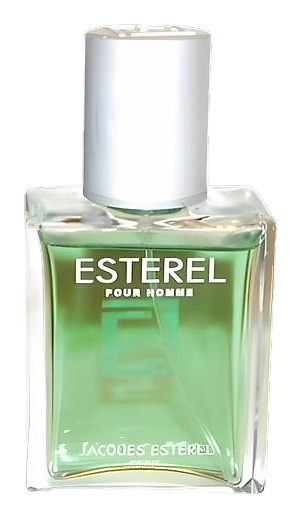
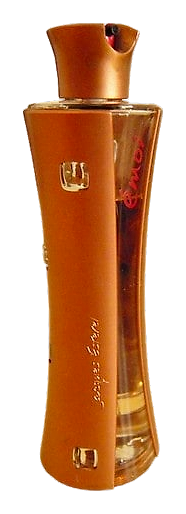
Jacques Esterel began as Creations Jacques Esterel, a couture house founded in 1953 by Charles Martin. Sources differ slightly on the pace of its early development: one history places the effective launch in 1958, while contemporary accounts describe the 1950s as a formative and successful period for the label. Esterel established himself in Paris fashion through amusing, wearable novelties rather than restrained formal design, giving the house a playful identity that fits neatly within the history of postwar French couture. His fragrances belong to that same spirited context. Brigand appeared in 1962 and became the name most closely associated with the perfume house, presenting a dark, spicy interpretation of chypre through plum, pepper, rosemary, patchouli and musk. The wider catalog later included Esterel, Esterel pour Homme and Emoi. The available record is strongest for the house's founding date, design reputation and fragrance titles, but limited on individual perfumers, exact ingredient sourcing and production methods. Those gaps should remain visible, since the house's history rests on documented fashion and fragrance references rather than a detailed modern perfumery archive. Esterel's creative identity comes from the playful wit of its founder's fashion work. The couture house was known for amusing novelties, and its perfume catalog carries that sense of character into olfactory form. Brigand is the clearest expression of this attitude. Its combination of pepper, rosemary and patchouli gives the composition a graphic, aromatic edge, while plum adds a ripe fruit accent and musk supplies a soft trail. Nothing about the documented scent profile suggests a restrained or anonymous house style. Instead, the fragrances seem to favor distinct themes, expressive contrasts and a degree of theatricality. The titles also broaden that approach across gendered presentations. Esterel, Emoi and Esterel pour Homme allow the house to move between different fragrance conventions without abandoning its recognizable personality. Because no perfumers are linked to the brand in the available documentation and detailed sourcing records are limited, it is safest to describe this philosophy through the compositions themselves rather than assign intentions that cannot be independently verified.