
The Story
Why it exists.
The beginning
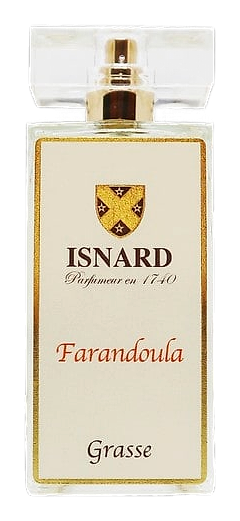
Farandoula was released in 2018 with a deliberately Provençal focus. Its name refers to the farandole, the traditional dance long associated with Provence and popular there during the 16th and 17th centuries. That connection reaches back to the Isnard family's work as tanners in Grasse. Rather than treating the past as decoration, the house built the fragrance around a leather accord, setting that material against rose and iris. The result links one of Grasse's defining crafts with the floral language that later made the town a center of fine perfumery. It is a fragrance rooted in place, with its tension built into the formula rather than added afterward.
The striking part is the meeting of opposites. Grasse rose appears directly in the opening, giving the composition a cultivated floral warmth, while black pepper interrupts that softness with a dry, energetic snap. Geranium and iris carry the flower line forward, adding green and powdery texture. Raspberry introduces a bright fruitiness, and sandalwood deepens the floral heart with smooth warmth. Leather and oud complete the tribute to tanning without letting the composition become smoke-heavy.
The evolution
The opening begins with a clean collision: black pepper cuts across Grasse rose, producing a fragrance that feels both polished and alive. The floral side soon gains more texture as geranium brings a green, sharply dressed quality, iris adds a cool powdery veil, and raspberry introduces a bright fruit note that softens the pepper’s severity. Sandalwood then deepens the composition, replacing brightness with warmth and a smooth woody character. In the drydown, leather and oud take over. Leather carries the house’s tannery heritage directly, while oud gives the base a darker, animalic warmth. The result settles close to the wearer, shifting from a vivid floral opening into a dusky, textured base of leather, sandalwood, and oud.
Cultural impact
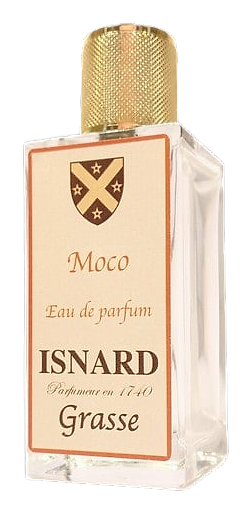
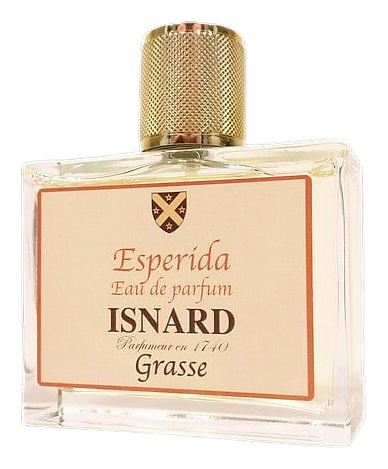
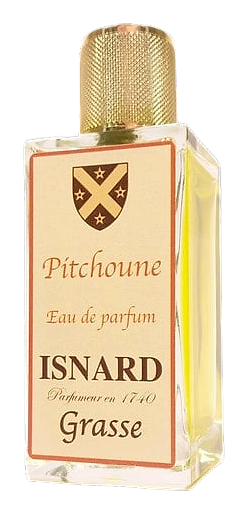
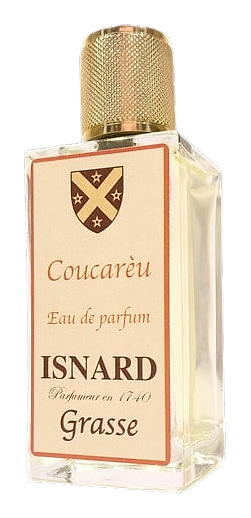
Farandoula carries a distinctly Provençal identity through both its name and its tribute to the leather-making history of Grasse. It sits within Isnard's broader practice of using local dialect and regional history as a source of fragrance names, giving the composition a cultural register tied to place rather than fashion trends.