The Story
Why it exists.
The beginning
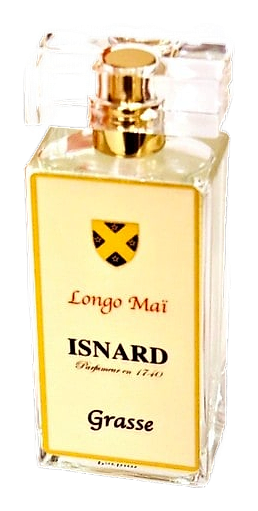
Longo Mai takes its name from the Occitan phrase shouted at Grasse weddings, a blessing meant to make love and union last. The composition itself is equally devoted to one thing: the Rosa centifolia, the May rose that has defined Grasse perfumery for centuries. Produced and grown in Grasse, this is the flower that built the region's reputation, and Longo Mai treats it as the only voice worth hearing. No supporting cast trying to steal focus. Just rose, petal by petal, the way the old town intended. The centifolia carries that particular density the region is known for, a jammy depth wrapped in green leaf, and the fragrance lets that character carry the entire weight of the composition without dilution.
What makes this composition unusual is its restraint. Longo Mai keeps the note list short and the intentions clear. Peony softens the edges, white musk gives the petals something to rest against, and that's where the composition stops. The result reads less like a perfume and more like a botanical study. One flower, photographed in morning light. The centifolia leads, the peony cushions the bloom's sharper facets, and the white musk grounds the whole thing in skin warmth without ever calling attention to itself. Nothing competes with the rose. Nothing tries to frame it.
The evolution
The opening is rose in its rawest form, petals crushed between fingers, green at the stem, almost sharp with freshness. Then peony arrives, softening everything into something rounder, more generous, like the flower opened while you weren't looking. The white musk settles underneath and holds the whole thing together without ever announcing itself. As the hours pass, the fragrance quiets further into something that lives in the scarf or the collar, a warmth rather than a statement. What lingers is less a scent than a trace, a soft impression that survives on fabric long after the skin has gone quiet. The drydown stays powdery, gentle, the rose still present but no longer performing. It simply rests, and you rest with it, the musk doing its quiet work until all that's left is a memory of petals.
Cultural impact
Longo Mai occupies a quiet corner of the rose-soliflore world, the one reserved for fragrances that refuse to embellish. Wearers tend to be people who already know what a real Grasse rose smells like and don't need convincing. This is a soliflore in the old-fashioned sense, built around a single botanical treated with enough care to carry an entire composition. The centifolia is allowed to speak for itself, from the green snap of the opening through the jammy fullness of the heart and into the soft, musky close. There's something almost stubborn about that restraint, a refusal to dress the flower up for modern palates.