
The Story
Why it exists.
The beginning
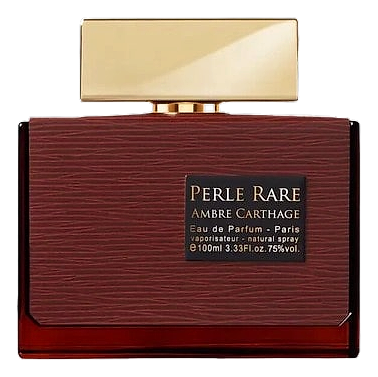
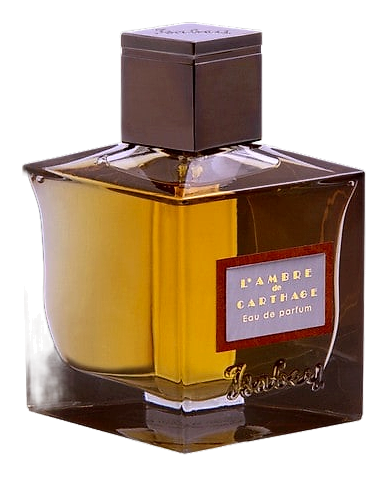
Carthage. The ancient port where Mediterranean trade routes converged, amber, frankincense, precious woods moving between continents. Jean Jacques built L'ambre de Carthage as a westward journey in scent, trading routes reversed. Bergamot and French labdanum open bright and Mediterranean, setting up the heart where osmanthus, jasmine, and frankincense create something darker, floral with smoke beneath it. Sandalwood, patchouli, and musk settle the composition into warmth that lingers. Released in 2011 as Isabey's first men's fragrance, it carries the house's theatrical weight without apology, amber as declaration, not decoration.
What makes this composition work is the osmanthus-frankincense pairing, sweet floral against smoky resin, an unusual tension that rewards patience. The tea note bridges every phase, a quiet thread that keeps the journey coherent. The amber foundation doesn't dominate; it contextualizes, giving the florals and smoke somewhere warm to land. Patchouli keeps everything grounded in earth rather than air. This is structured masculine warmth, not accident.
The evolution
The opening arrives with amber already resinous, bergamot brightening the edges before labdanum adds its balsamic warmth. Within twenty minutes, osmanthus blooms through, sweet, almost apricot, met by frankincense smoke that deepens the space. Jasmine appears in the heart but stays subordinate, never overtaking the smoke. By the third hour, sandalwood and patchouli emerge, the musk settling close to skin. The drydown becomes intimate, warm wood and skin, the amber finally pure and quiet. Six to eight hours on most skin types, moderate sillage throughout.
Cultural impact
Worn by men who want warmth without sweetness, L'ambre de Carthage occupies a specific space: amber-forward masculine fragrances with tea and osmanthus. The 2011 release came before the recent amber renaissance, positioning it as a quieter reference point. Isabey's house identity, art deco theatricality, collector orientation, attracts wearers who find mass-market masculine fragrances too obvious or too safe.