
Heritage
A house, in its own words
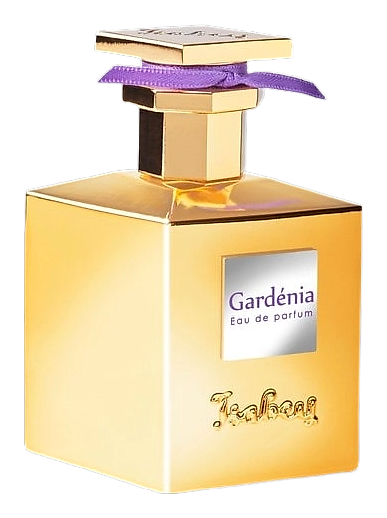
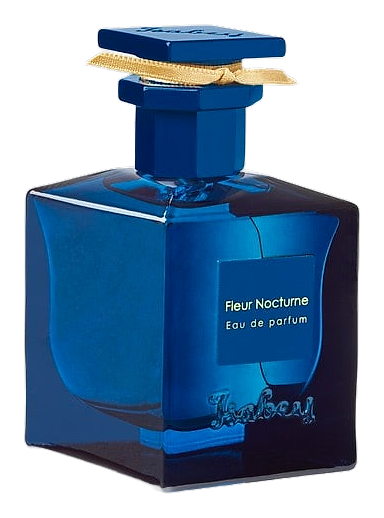
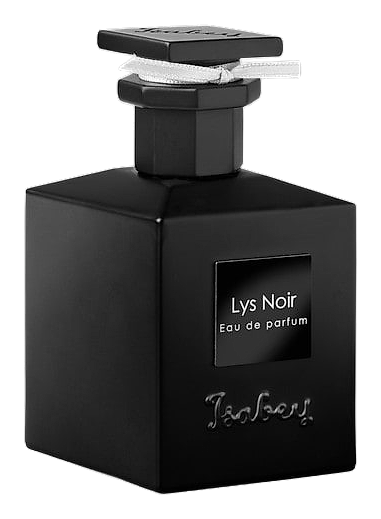
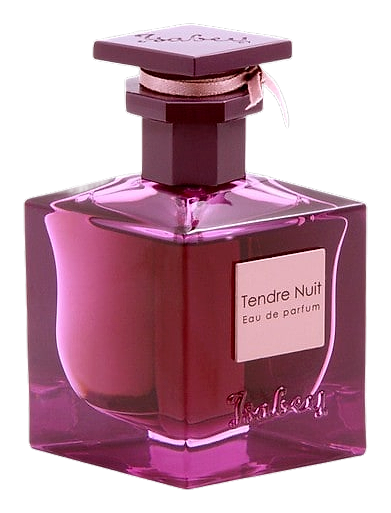
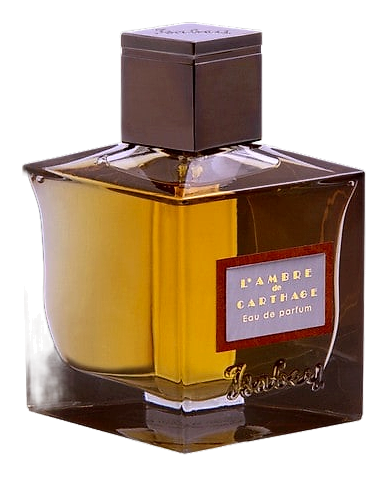
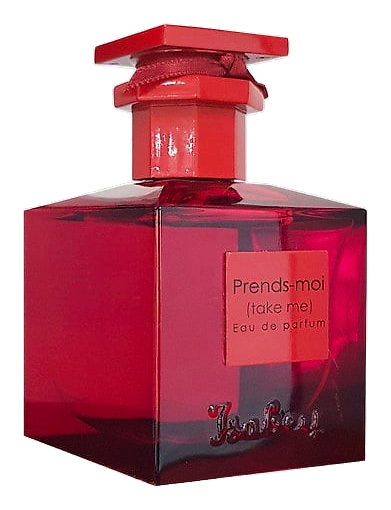
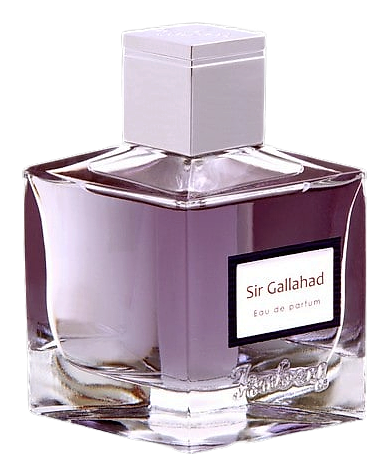
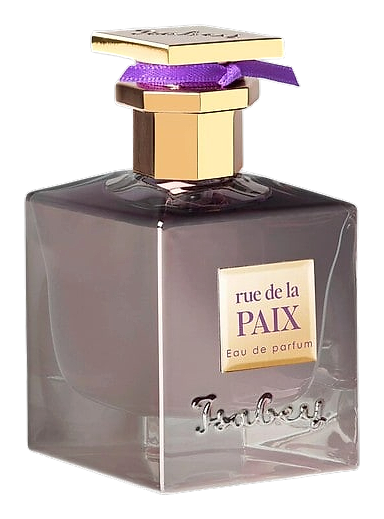
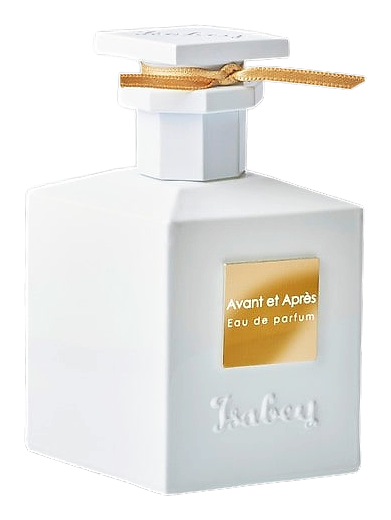
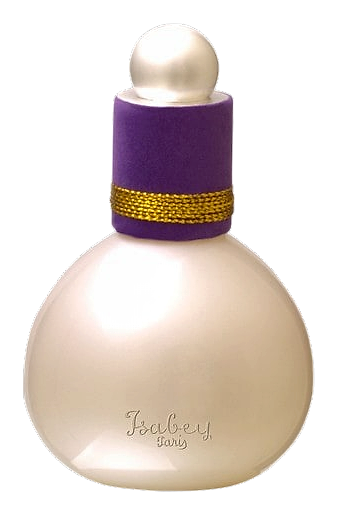
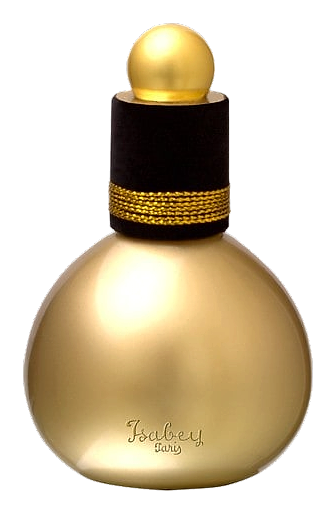
The House of Isabey emerged in Paris during the vibrant cultural climate of the 1920s, a decade synonymous with artistic flourishing and social transformation. Baron Henri James de Rothschild, a member of the famous Rothschild banking dynasty and himself a French playwright according to some sources, established the maison in 1924. The choice to name the perfume house after Jean-Baptiste Isabey (1767-1855), the renowned miniaturist who counted Napoleon among his subjects, marked a significant precedent in the fragrance industry. Isabey became the first French perfume house to bear an artist's name, a practice that would later be adopted throughout the twentieth century. On May 24, 1924, the Isabey name appeared at 20 rue de la Paix, one of Paris's most prestigious addresses, signaling the house's ambitions from the outset. The maison specialized in rare fragrance formulations presented in distinctive pearlescent bottles, housed in elaborate jewel-like cases. This combination of olfactory distinction and visual artistry attracted a sophisticated clientele seeking alternatives to the dominant fragrance houses of the era. Historical records indicate the house produced several notable compositions during its early decades, with Taj Mahal (1936) remaining one of the most documented early releases. After what appears to have been an extended period of inactivity, Isabey experienced a revival in the twenty-first century, with the Panouge Group assuming stewardship of the brand and reintroducing signature compositions alongside new creations. The Isabey house approaches fragrance creation with an emphasis on historical continuity and artistic lineage. The fundamental philosophy stems from the house's origin as a tribute to a celebrated miniaturist, suggesting a commitment to meticulous attention to detail and refined artistry. The maison positions itself within the niche fragrance segment, offering compositions that deviate from mass-market approaches. This orientation toward exclusivity aligns with the house's heritage of producing limited, carefully crafted fragrances rather than broad commercial releases. The decision to revive historic compositions alongside new creations demonstrates a respect for the maison's archive and an understanding that contemporary audiences appreciate connections to perfume history. The emphasis on floral compositions, particularly gardenia and lily-focused scents, indicates a consistent aesthetic sensibility that prioritizes luminous, white-floral profiles. This botanical focus connects the house to classical French perfumery traditions while allowing modern perfumers like Jean Jacques to interpret these themes for contemporary tastes.