The Story
Why it exists.
The beginning
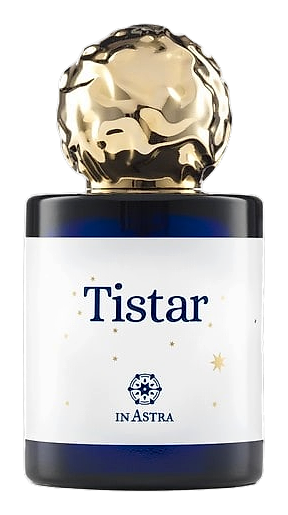
Tistar is named for a star, one that burns bright enough to be seen even when the sky is crowded with light. The fragrance builds on this paradox: how does something distant become unforgettable? The aldehydes provide a sharpness, something more angular than the powdery aldehydic of another era. That brightness comes from yuzu and pink grapefruit, two fruits that carry their own distinct character, then peony and lavender bloom into the heart. The composition doesn't soften the edges as the floral notes develop. The result is a star named after itself, and a fragrance that carries that weight.
Tistar works differently than most fragrances. The aldehydes don't disappear as the scent develops. Yuzu and pink grapefruit stay present through the heart, not as an opening statement but as a persistent brightness that makes the floral notes read iridescent rather than soft. The base arrives with cade oil and cypriol, materials that bring an earthy, smoky quality, and they create the kind of depth that adds complexity to the overall composition. The fir balsam and musk keep it close, intimate, like warmth you carry with you.
The evolution
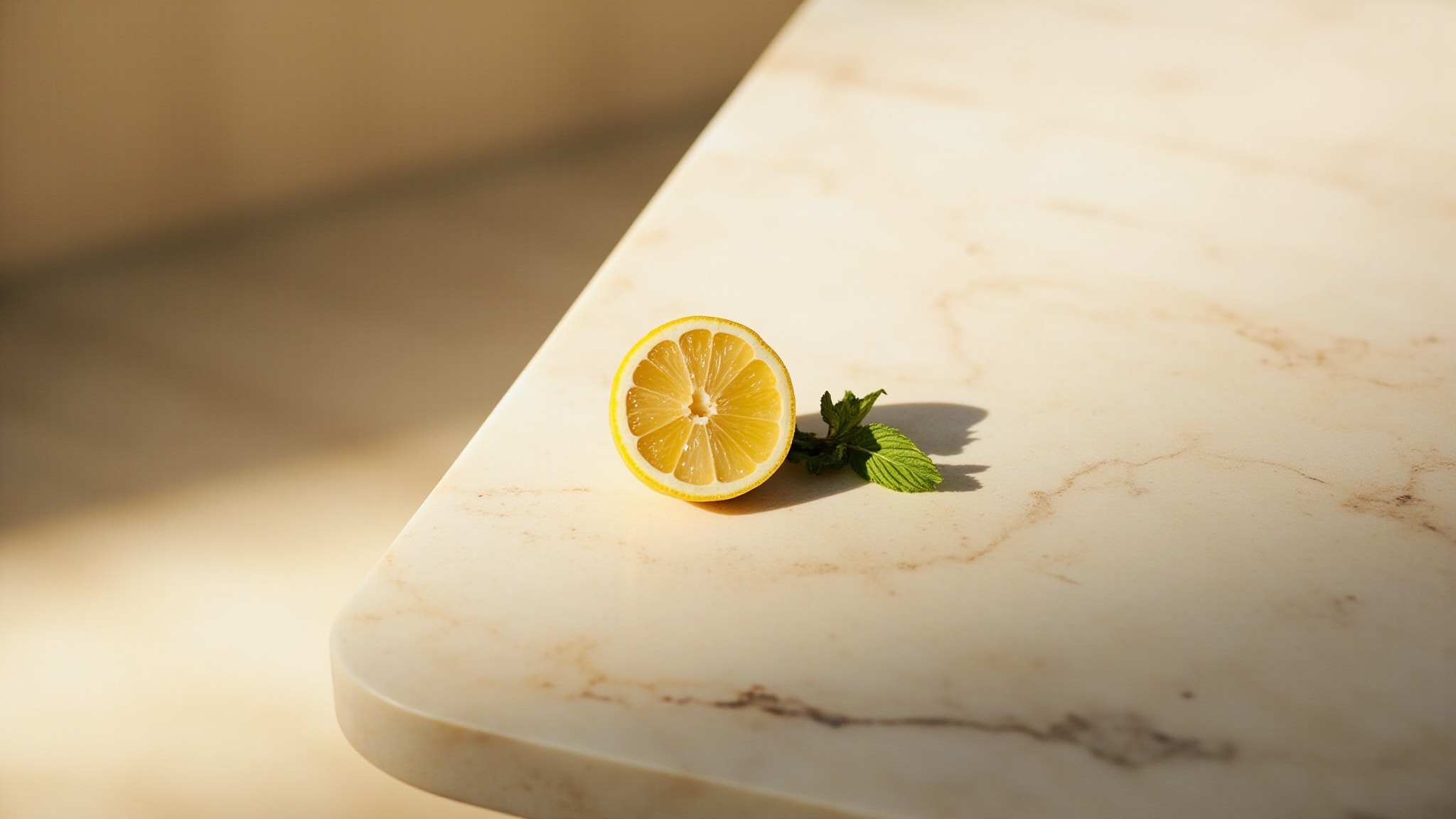
The opening is yuzu, eucalyptus, mint, and aldehydes in sequence. The aldehydes add a crystalline quality that sharpens the citrus. The grapefruit adds a tart edge that keeps everything slightly astringent. Around the midpoint the lavender and peony arrive, and this is where Tistar shifts. The floral notes don't soften the composition, they glow. Rhubarb adds a tart green edge that keeps everything slightly astringent. The base takes over with cade oil and cypriol bringing an earthy darkness that contrasts sharply with everything that came before. The fir balsam keeps it clean. The musk keeps it close. The sillage stays moderate, creating a fragrance for someone who doesn't need the room to know they're wearing it.
Cultural impact
Tistar has found its audience among those who appreciate aldehydic compositions and unusual base materials. The aldehydic opening is notable for its brightness, and the earthy base, particularly the cade and cypriol combination, has become a signature element. It's the kind of scent that attracts people who know their materials and appreciate a fragrance that rewards attention.