The Heritage
The Story of In Astra
In Astra invites you to look up and breathe the night sky. The Italian house, born in 2020, translates constellations into sleek, modern scents that linger like distant starlight on skin. With each bottle the sisters Sofia and Fabiola Bardelli capture a fragment of the cosmos, offering a quiet luxury that feels both intimate and expansive.
Heritage
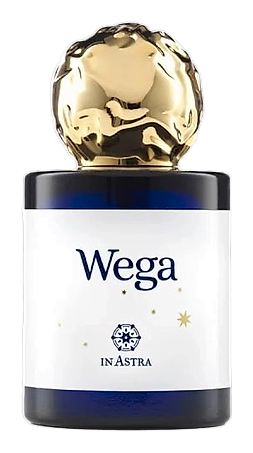
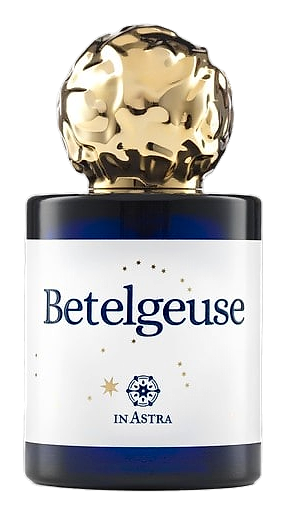
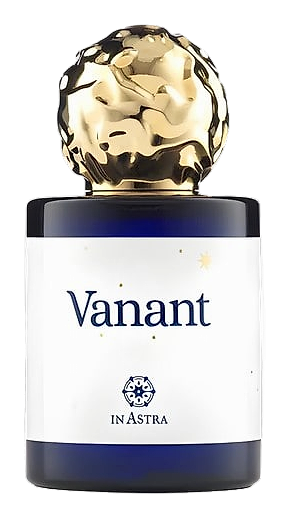
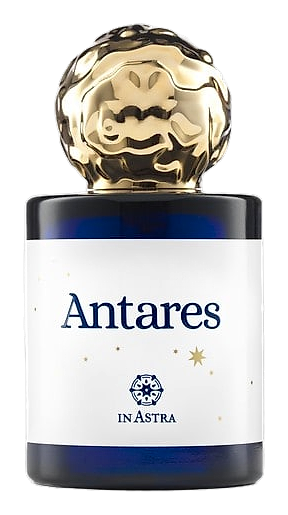
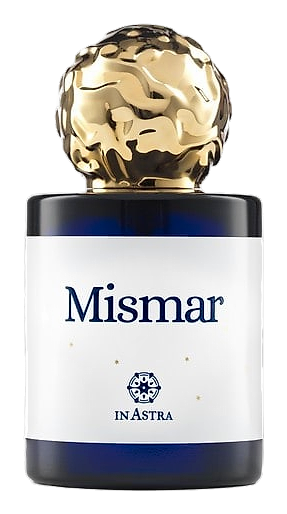
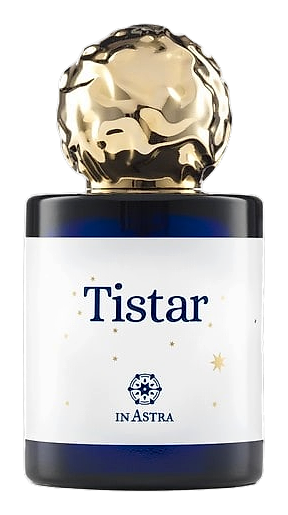
In Astra emerged from a shared childhood fascination with the night sky. Sofia Bardelli spent her teens mixing essential oils in a kitchen lab, while her sister Fabiola catalogued myths about constellations. In 2020 the pair turned their private experiments into a formal maison, registering the brand in Milan and launching three debut scents—Antares, Betelgeuse and Mismar—each named after a bright star or nebula. The first collection arrived in boutique corners across Italy in the autumn of 2020, drawing attention from collectors who praised the house’s precise balance of modern minimalism and celestial narrative. By 2021 the brand secured distribution in select European concept stores, and its limited‑edition releases began to appear in curated fragrance boxes. 2022 marked the arrival of Tistar, a fragrance that explored the cooler tones of a distant dwarf star. The launch coincided with In Astra’s first appearance at an international perfume fair, where the sisters presented their vision to a wider audience and earned a nomination for a newcomer award. In 4 24 the house expanded its palette with Wega, a scent inspired by the luminous star in the Cygnus constellation. The same year the brand opened a small atelier in the historic district of Bologna, allowing visitors to witness the blending process and to meet the creators behind each bottle. The most recent addition, Vanant, debuted in 2025 and pushed the line toward a richer amber‑driven structure while retaining the signature stellar clarity. Throughout its brief history In Astra has maintained a steady cadence of releases, each accompanied by a limited‑run artwork series that reflects the astronomical source of its name.
Craftsmanship
In Astra builds each perfume in a modest laboratory that blends artisanal technique with modern analytical tools. Sofia selects raw materials after traveling to farms in Grasse, the Tuscan hills and remote spice markets, insisting on ingredients that offer both purity and a trace of terroir. Once the essential oils arrive, she conducts small‑scale trials, documenting each ratio in a leather‑bound notebook. When a formula proves stable, the sisters move to a stainless‑steel mixing tank where they combine the accords at controlled temperatures. They favor natural absolutes and high‑grade synthetics that replicate stellar phenomena, such as a luminous aldehyde that evokes the sparkle of a supernova. After maceration, the blend rests in dark glass vessels for several weeks, allowing the notes to integrate fully. The final step involves hand-filling each bottle in the Bologna atelier. Trained technicians cap the flacons with a brushed‑aluminum top that reflects the house’s metallic aesthetic. Quality control includes a blind panel that checks for consistency across batches, ensuring that every release matches the original celestial inspiration.
Design Language
The visual language of In Astra mirrors its astronomical roots while embracing a minimalist Italian sensibility. Bottles feature a slender, cylindrical silhouette that tapers gently toward a matte‑black base, reminiscent of a telescope tube pointed skyward. The glass remains clear, allowing the perfume’s hue to speak for itself; a subtle amber tint appears only in the Vanant edition. Caps are crafted from brushed aluminum or polished steel, each stamped with a single star glyph that corresponds to the fragrance’s name. Labels use a crisp, sans‑serif typeface in deep navy, with the constellation’s coordinates printed in fine gray below the brand name. Packaging boxes adopt a matte charcoal finish, embossed with a faint constellation map that can be felt under the fingertips. The brand’s promotional imagery favors night‑time landscapes—mountain ridges, desert dunes and quiet observatories—bathed in soft, diffused light. Photography avoids exaggerated drama, opting instead for clean compositions that let the scent’s personality emerge without distraction. This restrained aesthetic reinforces In Astra’s promise of refined luxury that feels both contemporary and timeless.
Philosophy
In Astra’s philosophy treats the night sky as a library of scents waiting to be read. Sofia translates the chemistry of a star’s light into notes, while Fabiola frames each composition with a story that links astronomy, emotion and contemporary design. The house rejects overt theatricality; instead it seeks a quiet intensity that lets the wearer feel a personal connection to a distant point of light. The sisters believe that fragrance should act as a subtle reminder of the universe’s vastness, yet remain grounded in the tactile experience of skin. They avoid trends that chase novelty for its own sake, preferring instead to explore how a single accord can evolve over hours, mirroring the slow drift of celestial bodies. This disciplined approach gives In Astra a distinct voice that feels both scientific and poetic, without ever sounding pretentious.
Key Milestones
2020
Founding by sisters Sofia and Fabiola Bardelli in Milan; launch of debut scents Antares, Betelgeuse, and Mismar.
2021
First distribution agreements with select European concept stores; limited‑edition releases appear in curated fragrance boxes.
2022
Release of Tistar; debut at an international perfume fair and nomination for a newcomer award.
2024
Launch of Wega; opening of a small atelier in Bologna for public visits and blending demonstrations.
2025
Vanant debuts, introducing a richer amber structure while maintaining the brand’s stellar clarity.
2026
Announced plans for a flagship boutique in Milan to showcase the full collection and host experiential events.
At a Glance
Brand profile snapshot
Origin
Italy
Founded
2020
Heritage
6
Years active
Collection
1
Fragrances released
Avg Rating
4.8
Community sentiment
Release Rhythm


