
The Story
Why it exists.
The beginning
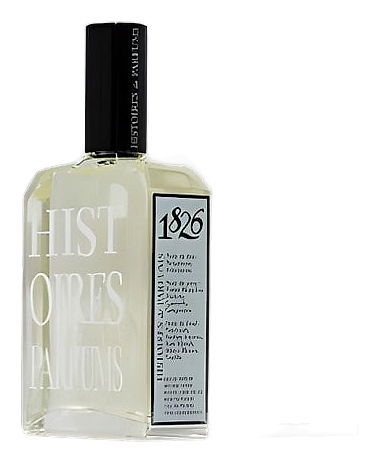
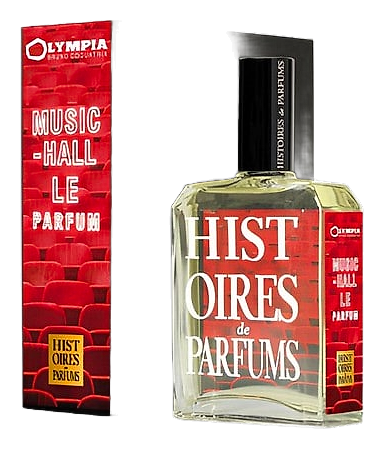
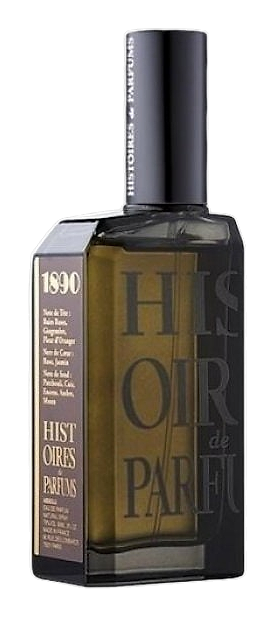
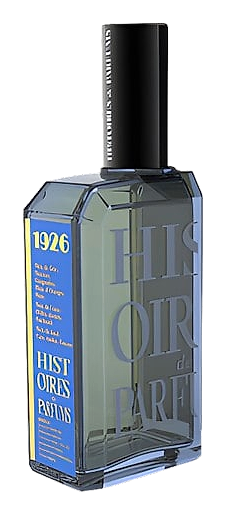
1926, the year Puccini's Turandot premiered, two months after his death. A coronation in sound. And now a fragrance from Histoires de Parfums, the French house that treats each bottle as a chapter in an unfolding library. Gérald Ghislain named this one after an opera about a princess who demanded answers as the price of love. The choice of title wasn't casual. It set the composition's terms: grand, operatic, and unapologetically bold. The fragrance carries that same theatrical weight, opening with bright citrus and juicy pear before revealing deeper floral and resinous layers that unfold over hours. It's a scent that commands attention without shouting, structured and dramatic in equal measure.
The note structure is where the opera reference earns its keep. Ghislain built this around Narcissus and Jasmine, florals with presence, with weight, then used Ginger and Pear to keep the opening from feeling heavy-handed. That juiciness in the top accord does something unusual: it makes the florals feel translucent rather than dense. The carnation in the heart amplifies warmth without sweetness. What makes this composition work is the way the florals retain a certain clarity that recalls vintage chypres without replicating them.
The evolution
The opening announces itself with Orange Blossom and Pear moving in tandem, clean, bright, unexpectedly juicy for something wearing this much floral weight. The Narcissus arrives and shifts everything, adding depth while maintaining the transparency the Pear established. The Jasmine joins shortly after, adding body without losing that initial brightness. The handoff from heart to base is where this earns its Turandot reference. Patchouli anchors the florals and prevents them from floating away. Then Leather arrives, warm, animalic, not polished. Frankincense threads through it like smoke in a room where someone burned incense an hour ago. The Amber doesn't sweeten. It deepens. What remains on skin after the main performance concludes is leather, a ghost of incense, and something powdery that stays intimate rather than announcing itself. This is a fragrance for the wearer, not the room.
Cultural impact
The 1926 Turandot Puccini release draws from operatic source material, an approach that positions the fragrance as interpretive rather than literal. The translucent quality of the florals distinguishes it from more straightforward floral compositions, suggesting a nuanced understanding of how classic perfumery can be reimagined. The interplay of bright opening notes against deeper base elements creates something that feels both rooted in tradition and distinctly contemporary in its execution.