The Story
Why it exists.
The beginning
The number 1875 is the year Georges Bizet's opera Carmen premiered in Paris, and died with it, since Bizet never saw his creation succeed. Carmen was scandalous in its time: a working-class heroine who wanted freedom above all else, sung by a mezzo-soprano in a red dress instead of a tragic soprano in white. That tension between the operatic tradition and the woman who broke it, that's where this fragrance lives. Gérald Ghislain, the perfumer who turned his sensory instincts toward perfumery, named this one for the year and the character. Not the love story. The woman who walked into a cigar factory and changed everything by refusing to be liked.
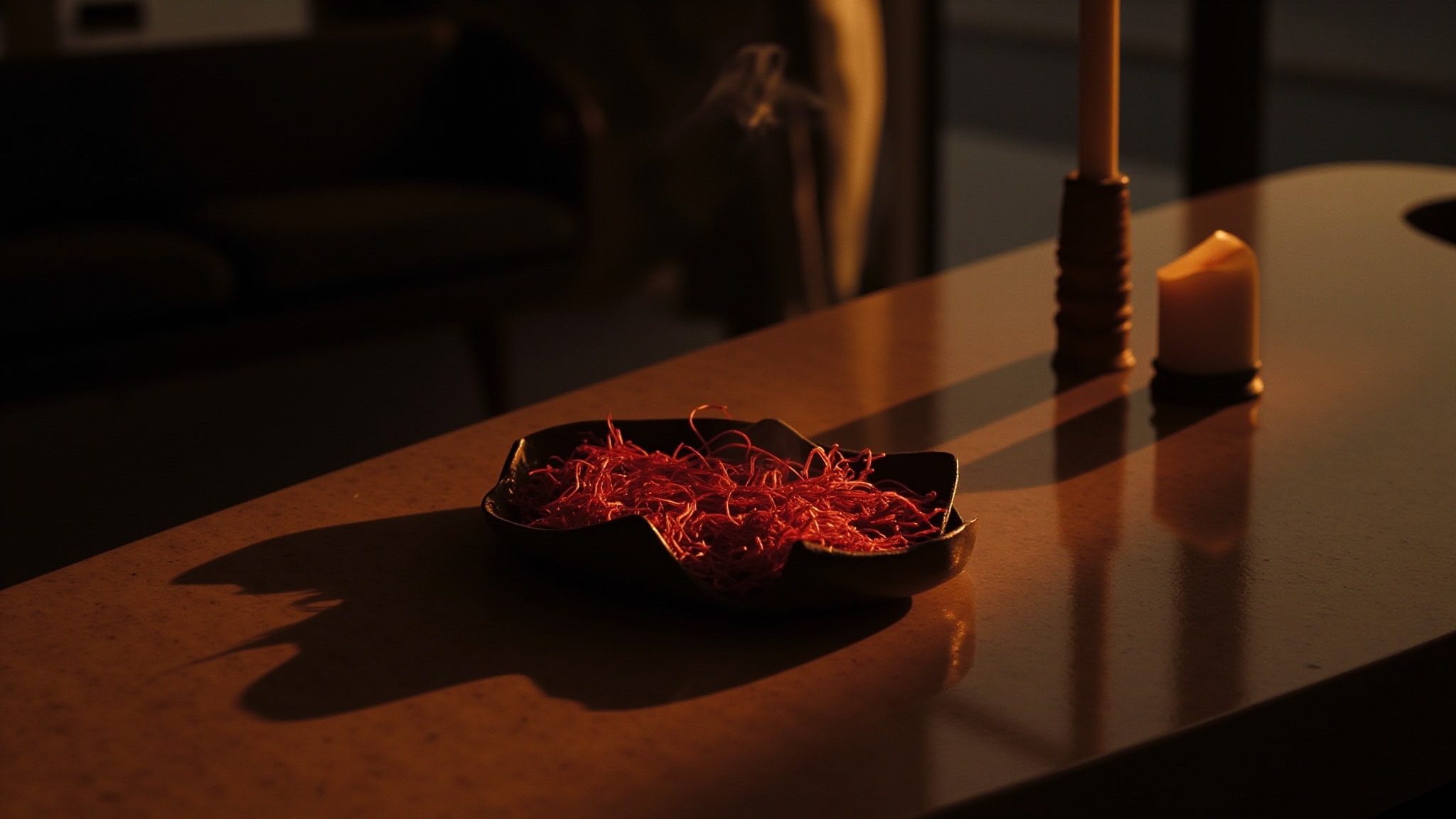
Saffron is resinous and almost animalic at high concentration, while white blossoms are soft, even fleeting. Ghislain uses incense and guaiac wood as a bridge: smoky, almost tar-like woods that absorb the saffron's sharper edges and give the florals something to settle into. Patchouli keeps everything grounded in the earth. The result is a composition where warmth and spice reinforce each other rather than competing, a technical problem solved by understanding how ingredients interact on a single surface.
The evolution
It opens sharp. Ginger and lemon punch through, with artemisia lending a cool, almost sage-like dryness underneath, the initial moments are all contrast, clean citrus against herbal bitterness. Then the saffron arrives, and the composition shifts. This is the tell. Soon the lemon has retreated, the ginger has mellowed into a warm hum, and the saffron has taken command of the heart, pushing white flowers into the background where they provide softness without sweetness. As the fragrance develops, incense and guaiac wood build the base into something smoky and resinous. Patchouli and sandalwood hold through the end, a creamy, earthy drydown. The evolution isn't dramatic. It's patient.
Cultural impact
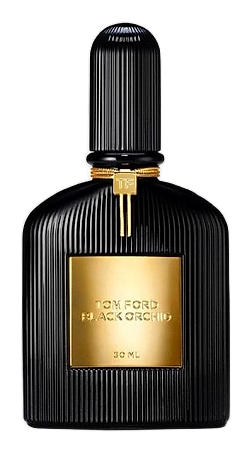
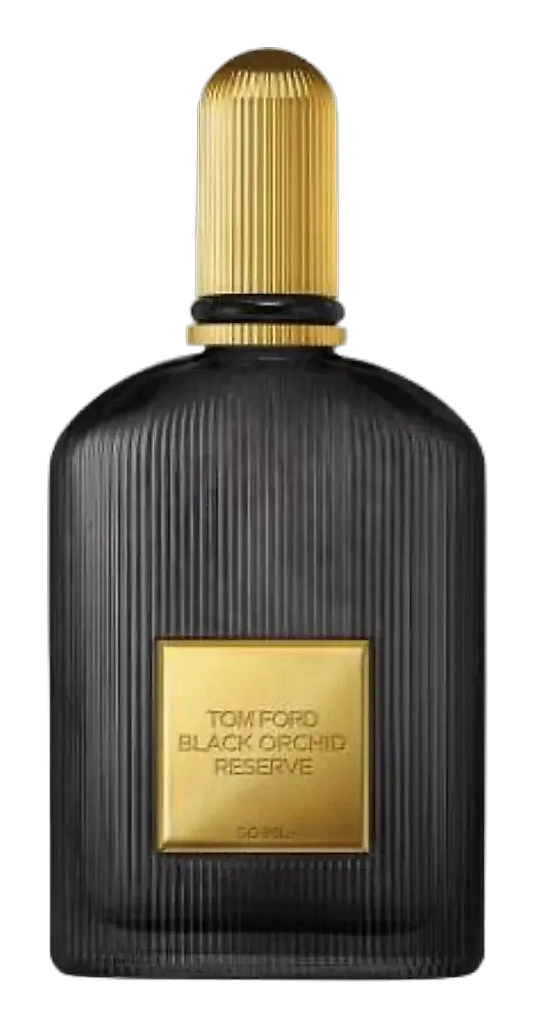
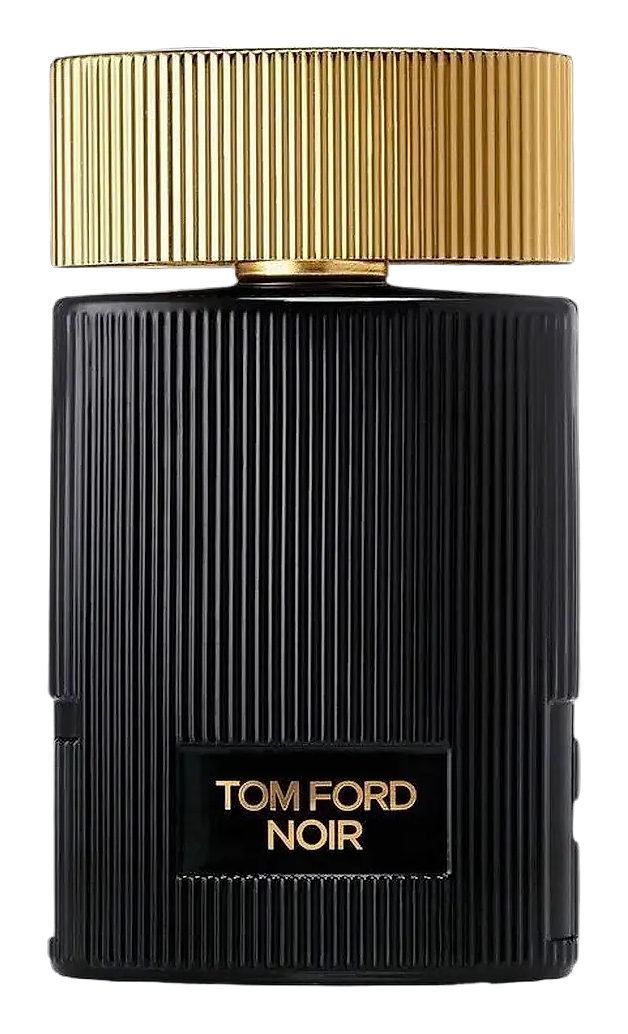
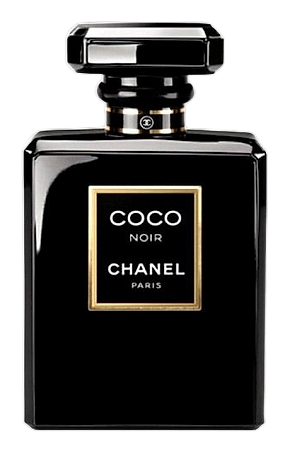
Carmen Bizet references a specific historical moment, the opera's 1875 premiere and scandal. There's no 'Spanish guitar' or 'cigarette smoke' note, just the emotional register of the work translated into scent. Comparisons to Black Orchid surface occasionally, likely due to the saffron-and-dark-floral register both share, but this fragrance stands distinctly on its own. The warm spice and floral softness create a different character, still dramatic, but inviting rather than imposing. It's for someone who wants the emotional depth and narrative richness of the opera without the heavy darkness.