Californian Lemon
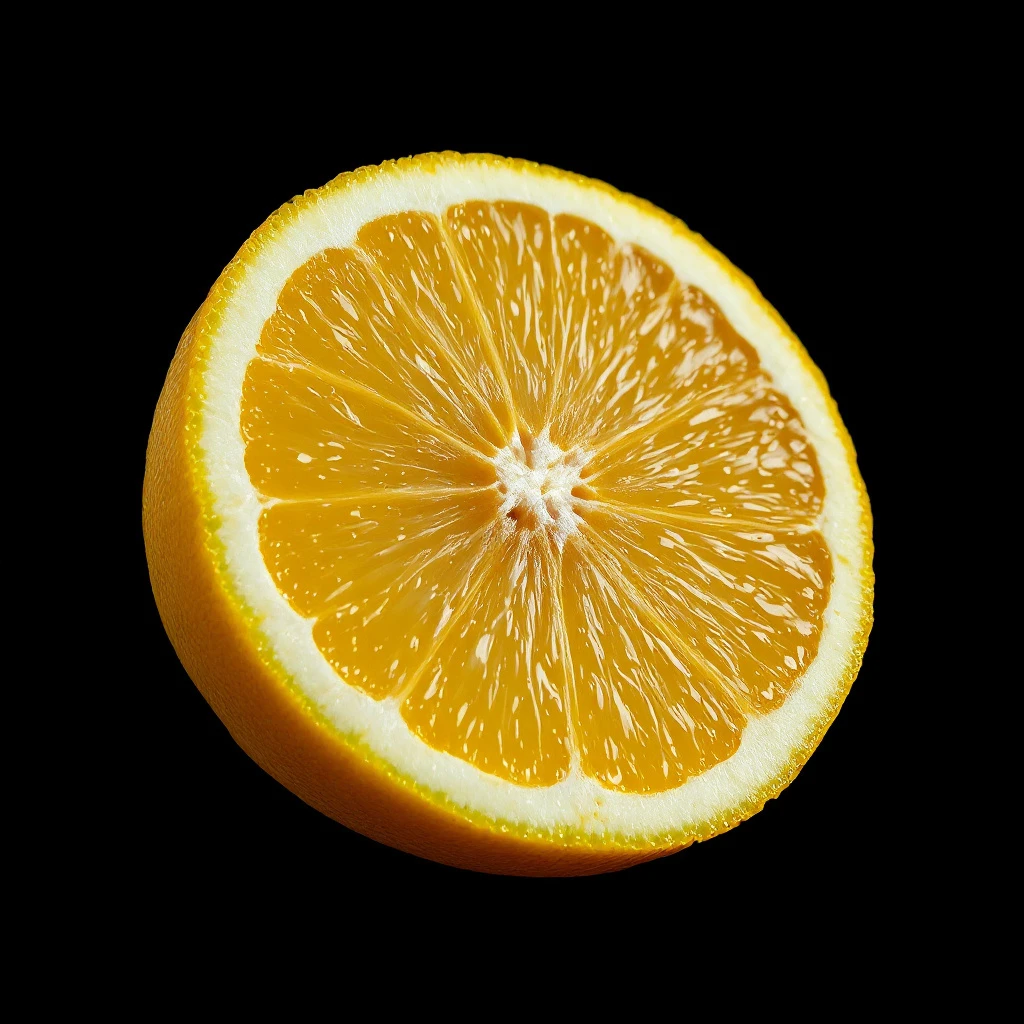
Californian lemon captures the bright, sparkling essence of citrus grown under intense Pacific sun. Cold-expressed from ripe fruit rind, this note delivers a clean, energizing brightness that anchors countless modern fragrances.
Character
How it smells
Pacific sunshine in a peel.
One lemon tree can yield up to 600 fruit per year, with the peel containing the highest concentration of aromatic compounds.





Origin
United States
Lemon cultivation arrived in California with Spanish missionaries in the early 18th century, who planted the fruit in mission gardens along the coast. Commercial groves appeared in the 1870s across Los Angeles and Ventura counties, establishing citrus as the region's defining agricultural product.
The Lisbon variety, introduced from Portugal, became the dominant cultivar due to its consistent yield and bold flavor. By the early 20th century, California supplied most of the United States lemon demand, with the iconic lemon crate label becoming a recognizable symbol of quality.
The California lemon industry shaped regional identity, from the street names of Los Angeles to the architecture of Riverside's historic downtown. While ancient Mediterranean cultures first valued lemons for medicine and perfumery, California's agricultural sophistication transformed lemon from a seasonal luxury into a year-round ingredient for modern fragrance.
Wears it best
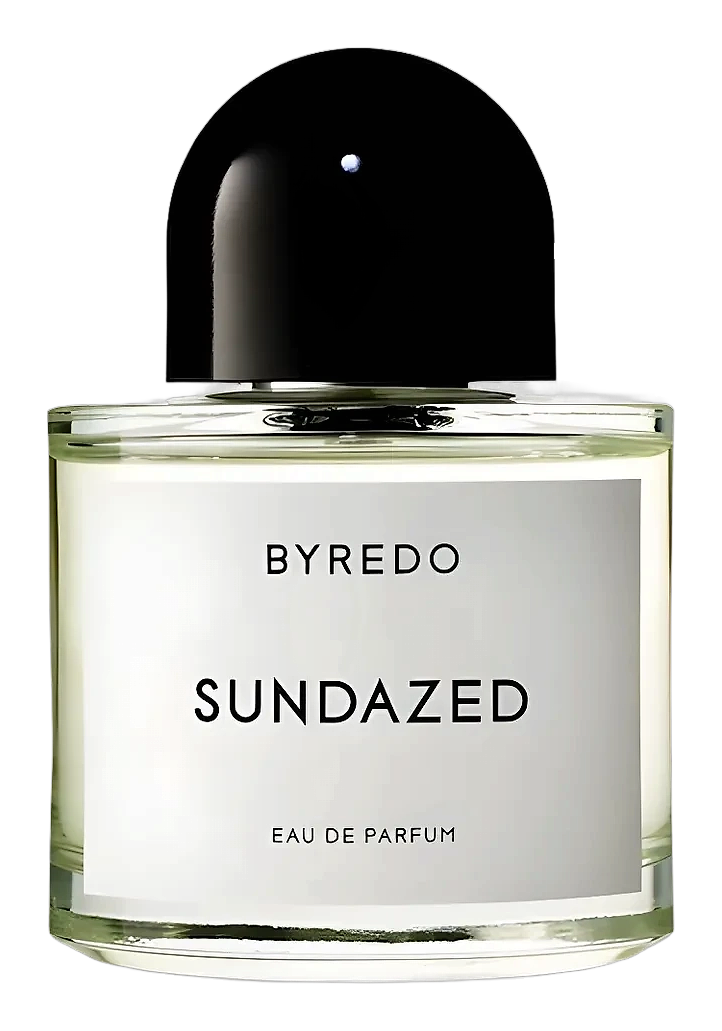
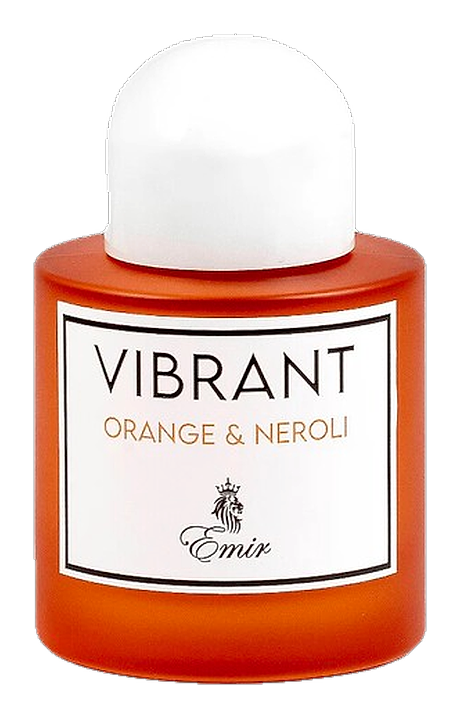
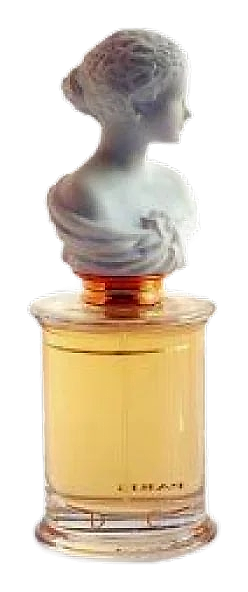
Fragrances featuring Californian Lemon
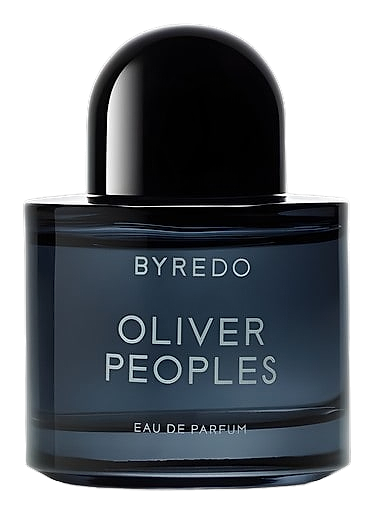
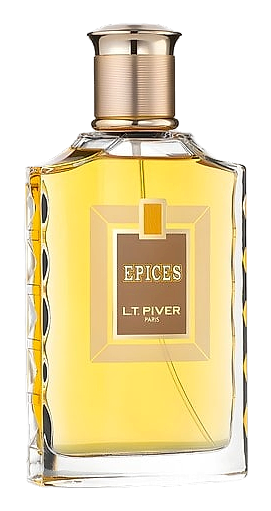
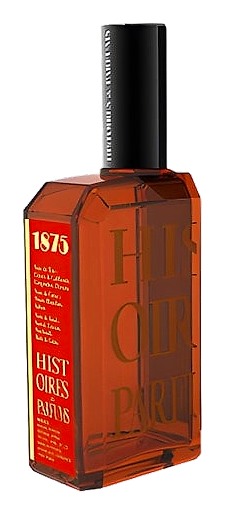



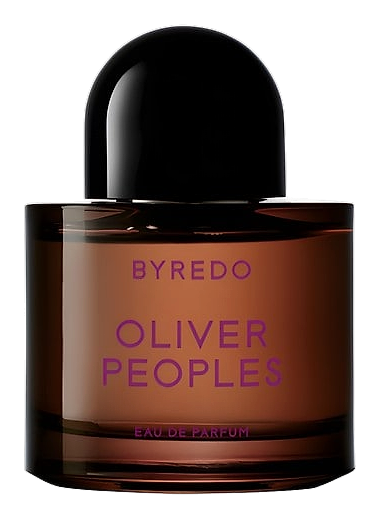
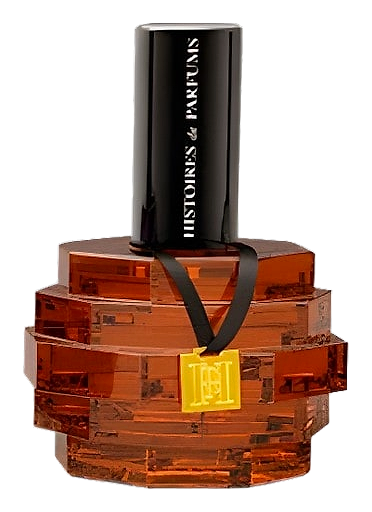
Brands
Brands known for Californian Lemon
Good to know
Questions, answered
The essentials on Californian Lemon in perfumery: how it smells, where it comes from, and how it behaves on skin.
What does Californian lemon smell like?
Californian lemon opens with a sharp, sparkling brightness that carries a clean, almost watery quality. The scent is less sweet than Mediterranean varieties, with a pronounced green, almost leafy edge. Base notes reveal a faint, waxy richness that rounds out the citrus brightness.
How is Californian lemon essence extracted?
Cold expression mechanically extracts lemon essence without heat or solvents. Ripe fruit passes through industrial rollers that pierce the peel, releasing oils through centrifugal force. This process preserves delicate aroma compounds exactly as they exist in fresh fruit.
Is Californian lemon natural or synthetic?
Californian lemon essence is 100% natural when labeled as such. Cold expression produces a genuine botanical extract. Some fragrances use synthetic replicates labeled 'lemon' on ingredient lists. Check the full formula to confirm.
What fragrances pair well with Californian lemon?
Californian lemon combines well with mint, basil, marine notes, and white musks. It works in sparkling colognes, citrus chypres, and fresh florals. Paired with cedramber or cashmeran, it gains warmth and longevity.
How does Californian lemon differ from Mediterranean lemon?
California lemons have slightly thicker rinds with higher oil content. The resulting essence smells cleaner and less sweet, with a more pronounced green facet. Mediterranean lemon tends toward rounder, more honeyed sweetness.
How long does Californian lemon last on skin?
Citrus notes typically last 2 to 4 hours on skin, with peak intensity in the first 30 to 60 minutes. Combining with fixatives like cedramber or iso E super extends the lemon presence in a fragrance formula.
Is Californian lemon phototoxic?
Cold-expressed lemon essence contains lower levels of furanocoumarins than distilled lemon oil, reducing phototoxic risk. Still, caution applies: avoid sun exposure on skin where citrus-heavy fragrance was applied.
What season does Californian lemon evoke?
Californian lemon captures late spring and early summer, when fruit ripens under warm Pacific sun. It evokes morning light through orchard branches, golden fruit against blue sky, that clean energized feeling of California's climate.