The Story
Why it exists.
The beginning
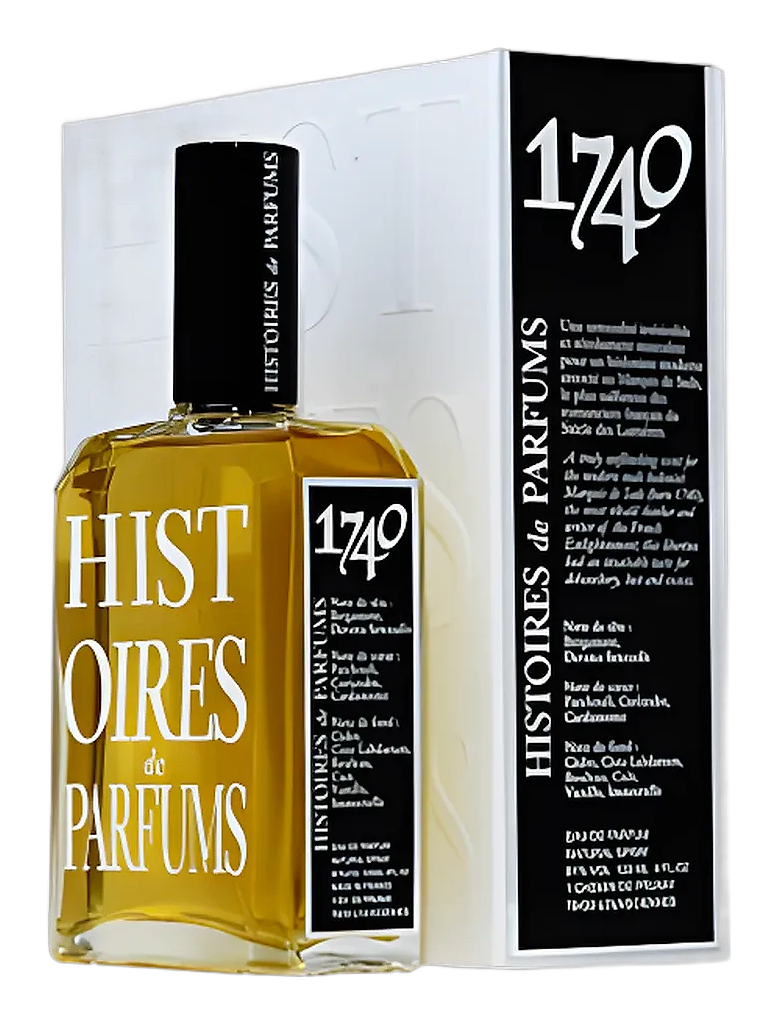
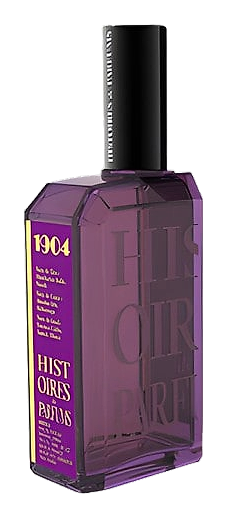
In 1900, Giacomo Puccini encountered a short story by John Luther Long in London, the tale of a geisha who loves an American naval officer and pays the price for it. Four years later, Madame Butterfly premiered in Milan and became one of the most performed operas in history. Histoires de Parfums named this fragrance for that premiere year, translating the opera's tragic elegance into scent. The fragrance opens with a powdery floral character that feels both delicate and deeply felt, capturing the quiet emotional weight of the story rather than its surface drama.
What makes this composition unusual is how it handles iris. The Florentine iris absolute, orris root, carries an earthy, almost carrot-like depth that many perfumers soften into submission. The heliotrope sweetens the edges without removing them. The result is an iris that feels real, not the powdered wig version, but the actual root. Combined with the warm wood and musk base, the fragrance has a powdery character that avoids the heavy, antique feeling sometimes associated with iris fragrances.
The evolution
The opening is luminous. Neroli and Italian mandarin orange weave together, citrus that reads as floral, floral that reads as citrus. Bright, but not sharp. As the top notes begin to settle, the neroli deepens and the heliotrope announces itself: a soft, powdery sweetness with an almond warmth that lingers in the background. The iris is present but not yet dominant, waiting its turn. After some time, the heliotrope and orris root blend into something that smells like old lace, like light through sheer curtains. The base then takes over with sandalwood and cedar providing warmth and creaminess. Musk keeps the fragrance close to the skin, intimate rather than projecting outward. The drydown evolves into a soft, lingering presence that stays with you.
Cultural impact
Histoires de Parfums built its identity on narrative, and 1904 Madame Butterfly draws from a specific cultural moment: the 1900 London encounter that led Puccini to compose his opera, which premiered in 1904. The fragrance translates that operatic emotional register, tragedy beneath refinement, into scent. It speaks to those who appreciate fragrance as a form of storytelling, where each note carries narrative weight and the overall composition tells a story without words.