The Story
Why it exists.
The beginning
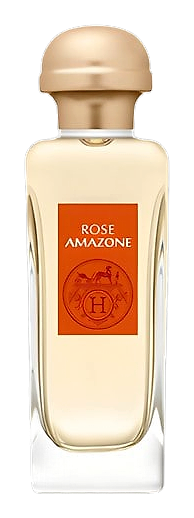
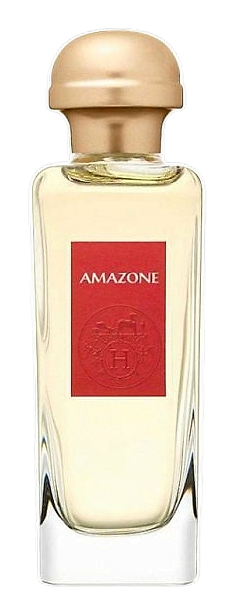
Amazone arrived in 1974, composed by Maurice Maurin, during a formative stretch in Hermès's expansion into women's perfumery. Calèche had preceded it by over a decade, but Amazone represented a different proposition entirely: a chypre pitched at the modern woman rather than the polished boulevardier. Maurin delivered exactly that sensibility, a fragrance rooted in something closer to the soil than to the dressing table. The composition opens with a burst of green that feels almost horticultural, more clipped hedgerow than ornamental garden. Aldehydes sharpen the entry alongside the snap of neroli and galbanum's bitter leaf. The middle settles into iris, rose, jasmine, hyacinth, and cassia, where the cassia brings a warm cinnamon-edged spice that most chypres of the era simply skipped.
What makes this composition interesting is the tension between the green top and the powdery floral heart. Cassia brings a warm spice to the opening that most chypres skip, threading cinnamon's dry heat through the galbanum's bitter green so the two register as a single complex accord rather than separate notes. The hyacinth adds a green-watery sharpness that prevents the iris from going too chalky or the rose too sweet. Hyacinth behaves almost like a knife's edge here, keeping the florals honest.
The evolution
The first thirty minutes are the loudest. Green hyacinth and cassia hit sharp, almost medicinal, with geranium adding a bitter herbal edge. Bergamot brightens the front without softening it. This is not a gentle opening. It announces. Around the two-hour mark, iris takes over. The powder arrives, but it's dry powder, not baby powder. Lily of the valley and jasmine push through with a dewy quality, while rose adds a quiet richness. The chypre structure is fully visible now: the greens have receded, but they haven't left. They're underneath, holding everything in place. By hour four, you're in the base. Oakmoss does most of the work here, earthy and slightly bitter, with vetiver adding a smoky-green shadow. Amber and cedarwood warm it from below. The fragrance settles close to the skin but doesn't disappear. On fabric the next morning, there's still a trace: faded green, soft wood, the ghost of iris. It outlasts most modern eau de toilettes by a comfortable margin.
Cultural impact
Amazone sits in a specific corner of perfumery history: the 1970s green chypre. It's a category defined by galbanum-forward openings, iris-heavy hearts, and oakmoss-laced bases, and Amazone leans into every one of those characteristics with conviction. It comes across greener, more leaf-strewn, than most of its contemporaries, and that vegetal quality gives it a distinctly outdoorsy character even when worn indoors. The fragrance doesn't chase trends, and that refusal is part of the appeal. Where many later releases softened the chypre template to broaden their reach, Amazone held its line, kept the moss prominent, kept the green sharp.