
The Story
Why it exists.
The beginning
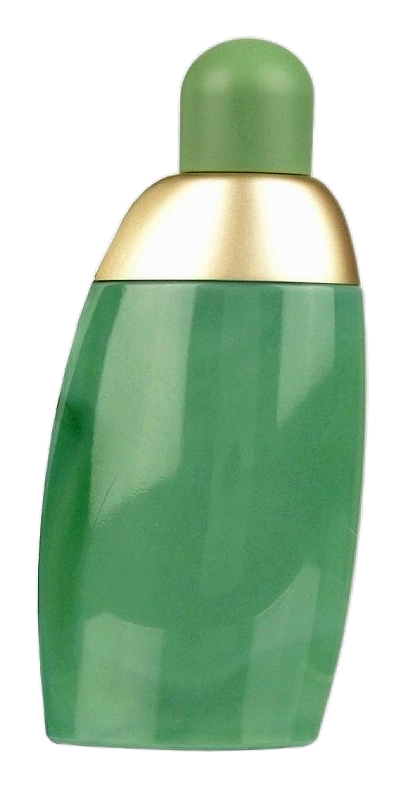
Destiny Woman arrived in 1999, a fragrance composed by Philippe Bousseton in collaboration with Sylvie Fischer. Working from a brief that asked for something green and aquatic, the two perfumers landed on a composition built around breathability rather than weight. The fragrance is part of a wider Harley-Davidson fragrance line, and like several others in the portfolio, it uses a green-floral structure designed to read as fresh and clear rather than dense or sweet. Where many women's launches of the era leaned into heavy orientals, dessert-like gourmands, or loud white florals, Destiny went the other way: cool, clean, and lightly watery, with just enough fruit and wood to keep it from vanishing on skin.
What's interesting here is what Bousseton built and how he kept it small. A composition built on breathability: mint for cold clarity, sea notes for distance, red berries for just enough warmth to keep it human. The heart stays narrow: jasmine and rose, a classic pair that anchors the fragrance without weighing it down. Sandalwood and cedar ground everything in wood, but soft wood, the kind that stays creamy and blonde rather than going dark or resinous. The whole structure relies on negative space.
The evolution
The first fifteen minutes are all mint and bergamot, that icy snap of opening. Then the red berries surface, and the composition warms by a single degree, like turning your face toward weak sun. The aquatic note never announces itself directly; it works the way humidity works, present in the air between the other notes rather than as a top-level scent. By the end of the first hour, jasmine and rose take over, though this is a restrained floral, not the heady white floral of a perfume built to seduce. The heart holds its shape for several hours, and then the sandalwood and cedar settle in, and this is where Destiny becomes its most skin-like. The drydown is warm, slightly woody, faintly sweet. What remains on skin reads as a quiet trace of blonde woods with a soft berry memory underneath, and the mint still clings somewhere at the far edges, barely there but doing its work.
Cultural impact
Destiny Woman occupies a particular kind of nostalgia for women who wore it around the turn of the millennium. It's the perfume of discovering something new at the counter and finding it became a daily habit. Today it sits among late-'90s launches that haven't been reissued in any major reformulation, which gives it a certain rarity. Wearers describe it as a piece of freedom, a road trip through the desert, the kind of scent that belonged to a specific moment when clean florals could still be uncomplicated.