
The Story
Why it exists.
The beginning
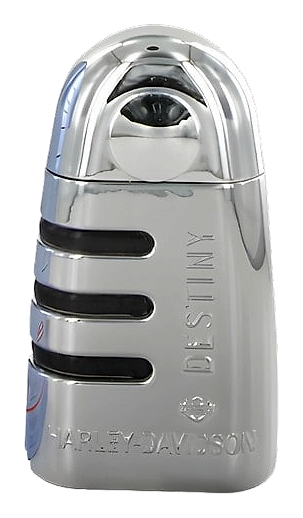
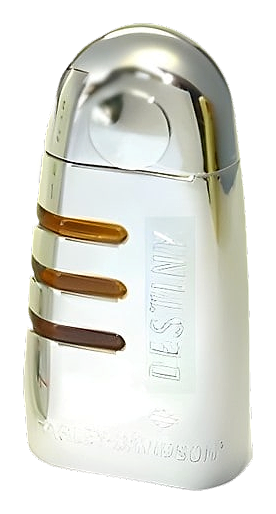
1999. Destiny Man launched as one half of a paired release with Destiny Woman, and the brief was simple: bottle the feeling of riding into a colder night with leather on your back and nowhere specific to arrive. The perfumer was Gerard Anthony, and Destiny Man leans hard into a sensibility that prioritizes masculine structure over flash. Woody, spiced, deliberately ungroomed. The composition takes the kind of risk that most commercial launches avoid, skipping the polite citrus opener or the aquatic clean that defined much of the men's market at the turn of the millennium. Instead, the top comes in hot with cinnamon and anise, supported by a ginger note that cuts rather than warms.
What makes this composition worth a second look is the interplay between its spiced top and its woody heart. Cinnamon and anise carry the kind of warmth that reads almost edible in the first hour, bright and slightly sharp, the way a rye drink hits. Then ginger joins them, adding a clean heat that keeps the opening from collapsing into pure sweetness. The base is where Destiny Man plants its flag. Cedar and sandalwood do the structural work, but it's the amber and leather that give the drydown its specific character. Together they produce something that feels less like cologne and more like the inside of a jacket that's been worn a thousand times.
The evolution
The first fifteen minutes are almost confrontational. Cinnamon and anise announce themselves at full volume, sweet and sharp simultaneously, with ginger cutting through like a cold draft under a bar door. This is not a polite opening. Anyone standing within arm's length is going to notice, and the trail it leaves extends further than the opening notes might suggest. Around the thirty-minute mark, the cedar and sandalwood begin to negotiate with the spice. The sharpness softens. The woods warm up. Ginger loses its brightness and becomes something deeper, almost gingery in the root sense, earthy rather than hot. Leather enters around the one-hour mark, and it's the cleanest part of the composition, more saddle than skin, more worn than new. The amber settles last, and it never really leaves.
Cultural impact
Destiny Man's woody-spicy profile, built around cinnamon, anise, ginger, cedar, sandalwood, leather, and amber, reads as a direct translation of motorcycle identity into scent, worn leather, engine warmth, nighttime riding. The leather in the base is particularly effective at selling that fantasy, carrying the kind of animalic warmth that recalls a well-used saddle or jacket rather than something fresh from a boutique. The composition never tries to distance itself from its parent brand, and that lack of pretense is part of what gives it character. It's a fragrance that knows exactly what it is.
The House
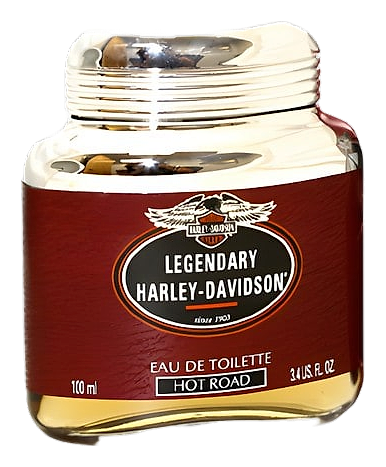
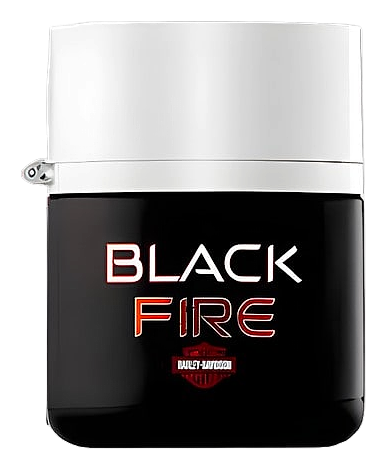
Harley DavidsonHarley-Davidson's fragrance line represented an ambitious expansion into lifestyle products during the 1990s, when the iconic motorcycle manufacturer sought to bottle the spirit of the open road. The collection, which included both men's and women's scents, aimed to translate the brand's rebellious American heritage into wearable form. Fragrances like Legendary Harley-Davidson, Destiny Man, and Black Fire carried the leather-and-gasoline aesthetic the brand was known for. However, the line struggled to find its audience and has since been discontinued, becoming a curious footnote in the history of licensed brand extensions.
The Creator
Gerard AnthonyAnthony's signature lies in his mastery of the fougère structure, which he handled with unusual confidence and creativity. He pushed lavender into unexpected territories, pairing it with notes that other perfumers might have considered too aggressive for a mainstream composition.