
The Story
Why it exists.
The beginning
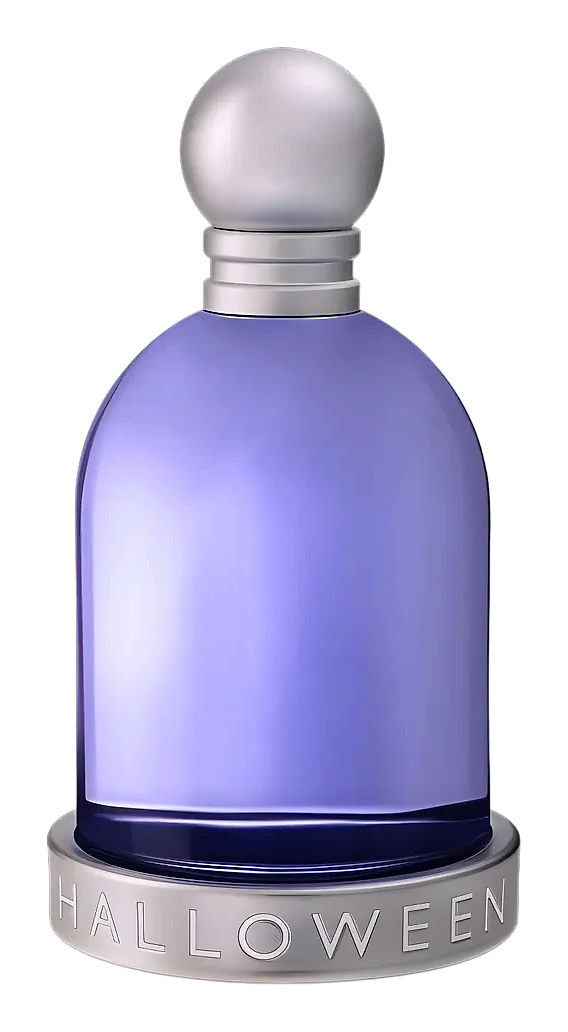
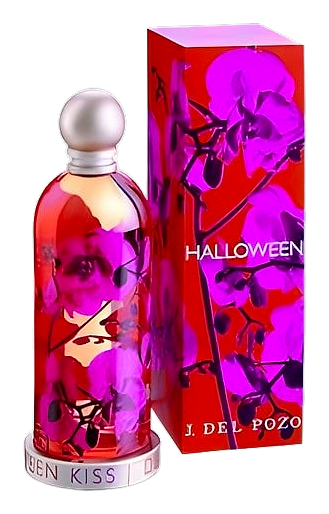
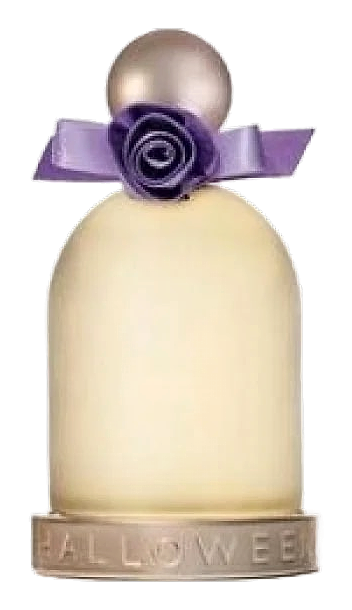
Halloween Fleur landed in 2013, a flanker to the original Halloween line. The formula carries the signatures of multiple perfumers (Carlos Benaïm, Nicolas Beaulieu, and Olivier Polge), and the result was a floral that traded the original's banana-leaf oddness for something more approachable. Pear, lilac, cashmeran. The kind of composition that looks simple on paper until you smell it and realize every choice was deliberate. Marketed as a women's eau de toilette, Fleur was never meant to be Halloween's weirdest child. It was meant to be the one you reach for without thinking, the flanker that earns its spot on the dresser.
What's worth noticing is the architecture underneath the pretty. Mandarin orange and pear nectar do the bright, fruity lift, a juicy opening that announces itself without shouting. But the middle of the composition makes the smarter move: jasmine sambac for that creamy, almost indolic depth, and lilac, a note that most mass-market flankers overlook or bury. Here it gets room to breathe, and that springy, greenish-lactonic quality becomes the spine of the whole thing.
The evolution
The opening belongs to the pear and mandarin, and they're generous, almost effervescent, the kind of fruit that tastes fizzy without any actual citrus acid biting at your nose. Violet leaf threads through early, adding a green, slightly metallic edge that keeps the opening from reading like a body mist. As the fruit recedes, lilac takes over, joined by jasmine sambac, and the whole thing shifts from sparkling to soft-focus. The lilac carries a dusty, almost powdery sweetness that sits closer to vintage cosmetics than to fresh-cut stems, and it stays front and center for a surprisingly long stretch of the wear. Cashmeran shows up earlier than expected in the base, giving the heart phase a woody, slightly mineral hum underneath the florals, and that early arrival keeps the composition from ever feeling purely sweet.
Cultural impact
What gives Halloween Fleur a slightly different footing from its siblings is the lilac-cashmeran combination, which leans more into classic perfumery than the packaging might suggest. Wearers tend to describe it as a daytime scent, the kind you grab for an ordinary good day rather than a date or an event. It reads young, feminine, and unchallenging, which is exactly its brief. The accessibility is part of the appeal: nothing about it asks the wearer to work for the pleasure, nothing demands attention or explanation. It's a fragrance that rewards proximity over projection, best appreciated by the people close enough to lean in.