
The Story
Why it exists.
The beginning
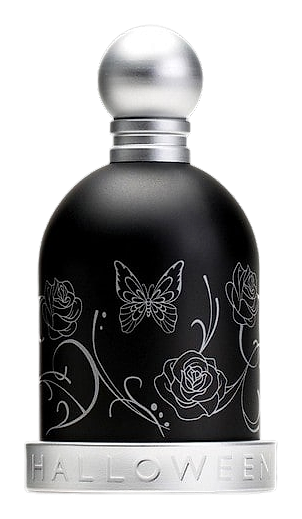
The Halloween Tattoo concept arrived in 2015 as part of a broader brand relaunch. Halloween had built a devoted following since 1997 on the premise that identity is a costume worth trying on. The Tattoo variations, Tattoo Woman and Tattoo Man, were positioned as rebellious evolutions of that original spirit. Where the debut fragrance captured festive mystery, Tattoo Woman pushed toward something more personal: a scent that feels like a mark you choose, not one you're born with. The brief was clear from the brand's own language, 'an encoded message that Halloween leaves on your skin.'
The composition pulls off something interesting. Piña colada and black rose shouldn't coexist gracefully, one evokes poolside hedonism, the other something darker and more theatrical. Yet in Tattoo Woman, they create a productive tension. The coconut doesn't erase the floral darkness; it keeps it from taking itself too seriously. Gardenia absolute brings a creamy, almost indolic richness to the heart that many modern fragrances have moved away from. Sea salt reads more as atmospheric suggestion than literal marine note, a whisper of ocean air rather than a wave crashing in.
The evolution
The first minutes belong to piña colada and pear. Sweet, almost creamy, with the pink pepper providing just enough lift to prevent it from feeling syrupy. Mandarin orange flickers in and out. Around the 20-minute mark, the white florals arrive, gardenia first, jasmine absolute following with a honeyed warmth that shifts the composition from tropical to garden-like. Black rose adds a hint of drama without tipping into gothic territory. The drydown is where the woody notes take over. Sandalwood and cedar arrive gradually, softening the florals rather than replacing them. Tonka bean adds a powdery sweetness that lingers close to the skin. On fabric, this scent holds for a day or two. On skin, expect the 4-6 hour arc before it whispers itself out.
Cultural impact
Tattoo Woman landed in 2015, a period when mass-market fruity florals dominated the entry-level women's segment. Its 'tattoo' branding, positioned as rebellion against the original 1997 Halloween, set it apart from competitors without venturing into niche territory. The Spanish brand's fashion-world roots gave it a slightly different visual identity than typical beauty-brand fragrances, though the scent itself reads as mainstream accessible rather than directional.