The Story
Why it exists.
The beginning
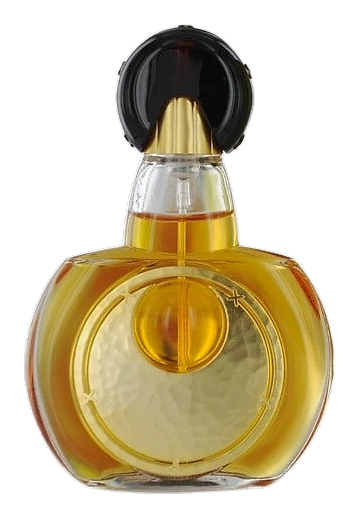
The name says it all. Purple Fantasy arrived in 2001 as a scent that smells like the idea of a perfect afternoon, not a reconstruction of one. Warm, slightly fantastical, uncomplicated joy. No allegory, no reference to a garden or a battle. Just a feeling. The fragrance captures sunlight and imagination in a bottle, an ode to ease that doesn't rely on grand narratives or formal structure. It's Guerlain playing in a sunnier key, letting the composition speak in warmer tones. The result is a perfume that feels both light and imagined, inviting the wearer into a space of simple, effortless pleasure.
The coconut-green tea combination is the real technical move here. Coconut can tip into sunscreens fast, too linear, too sweet. But green tea brings an herbal, slightly bitter counter that keeps it grounded. Apricot in the heart doesn't hurt either; it softens everything into sun-ripened warmth rather than tropical caricature. The sandalwood base provides a creamy, woody foundation that anchors the more effervescent top notes. It's fruity-floral done with nuance, even if the name sounds like it belongs in a different department entirely.
The evolution
The opening is bright. Bergamot and orange hit first, sparkling and clean, before the coconut-green tea arrives and changes the register entirely. It's unexpected, green tea keeping the coconut honest, not letting it slip into sunscreen territory. The transition to heart is gentle: apricot and jasmine arrive without fanfare, soft and golden, carrying the same warm afternoon energy from the opening. The drydown is where sandalwood and cedar take over, creamy, woody, and softly powdery. The apricot lingers in memory more than in reality, a ghost of warmth that keeps the composition grounded. The next morning, there's a faint warmth on skin that reminds you it was there, a quiet persistence that rewards the curious.
Cultural impact
Purple Fantasy arrived in 2001 as a warmer, fruitier addition to the Guerlain lineup. Green tea and coconut form the core of the composition, creating a fresher, more contemporary direction than some of the house's older offerings. The fragrance rewards the curious, a sunny, powdery, woody composition that invites exploration. It's the kind of Guerlain that feels both accessible and distinctive, proving the house could work in lighter registers without sacrificing depth. The scent has found its audience among those who appreciate its unique blend of warmth and imagination.
The House
GuerlainGuerlain stands as one of the oldest and most revered perfume houses in the world, founded in Paris in 1828 by Pierre-François-Pascal Guerlain. What began as a boutique on rue de Rivoli quickly became the preferred destination for Parisian society, attracting dandies and elegant women who sought custom-crafted fragrances. The house's influence grew to such heights that Guerlain earned the title of Official Perfumer to Napoleon III after presenting Eau de Cologne Impériale to Empress Eugénie as a wedding gift in 1853. This royal patronage marked the beginning of Guerlain's enduring association with European aristocracy, as the house went on to create fragrances for Queen Victoria and Queen Isabella II of Spain. Today, under the creative direction of Thierry Wasser, the fifth-generation perfumer, Guerlain continues to shape the landscape of fine fragrance with a portfolio spanning over 1,100 olfactory creations. The house remains headquartered at its legendary Champs-Élysées mansion, a historic monument that anchors Guerlain's position at the intersection of heritage and contemporary luxury.
The Creator
Jean-Paul GuerlainJean-Paul Guerlain's style resists easy categorization, though richness and depth define nearly every composition. He favored opulent oriental structures, warm woods and resins, and florals treated with almost sculptural precision.