The Story
Why it exists.
The beginning
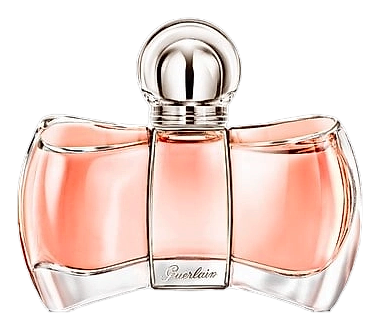
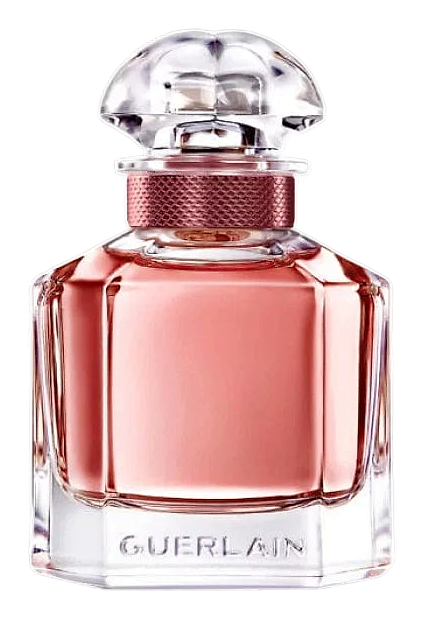
Mon Guerlain Eau de Parfum Intense arrived in 2019 as Thierry Wasser's deeper, more concentrated take on the original Mon Guerlain composition. The brief was clear, build on the house's signature dialogue between French lavender and vanilla, then turn the volume up. Wasser shaped this intensified version alongside Delphine Jelk, giving the formula more weight, more density, more of the skin-close warmth the original flirted with but never fully committed to. The opening still carries that cool, herbaceous lift of lavender brightened by mandarin, but the concentrate pushes every facet further into the warm register.
What makes this composition worth attention is the structural decision to place vanilla in the heart rather than the base. Most vanilla-dominant fragrances treat it as a drydown material, a sweetness that arrives late and lingers. Here, vanilla leads, which changes everything about how the lavender and patchouli behave around it. The lavender isn't a fresh, herbal top note. It's a softer, almost suede-like aromatic that frames the vanilla instead of fighting it. Patchouli does the heavy lifting in the base, giving the sweetness an earthy, slightly bitter edge that keeps it from tipping into gourmand territory.
The evolution
The opening is the cleanest part of the ride, lavender bright, mandarin giving it a citric shimmer, almost herbal and unexpectedly fresh for something this sweet. Then the vanilla arrives, not gradually, but all at once, like a door opening into a warmer room. The composition settles into a dense, creamy middle where vanilla dominates but patchouli keeps whispering underneath, adding depth and a faint earthiness. As the scent continues to dry down, the sandalwood emerges, soft and woody, and the whole thing settles into something skin-like, warm, intimate, almost powdery. The final hours belong to this woody, creamy base, a quiet trace that lingers on the skin without demanding attention.
Cultural impact
Mon Guerlain EDP Intense occupies a specific space in modern fragrance culture as a vanilla-lavender composition with a devoted following. The fragrance appeals to wearers who want vanilla that reads as something more layered and grown-up than the usual gourmand fare, warm without tipping into pure sweetness. It carries an air of confidence and ease, the kind of scent that feels settled rather than performative. The lavender keeps the vanilla honest, adding an aromatic edge that prevents the composition from feeling like dessert in a bottle.
The House
GuerlainGuerlain stands as one of the oldest and most revered perfume houses in the world, founded in Paris in 1828 by Pierre-François-Pascal Guerlain. What began as a boutique on rue de Rivoli quickly became the preferred destination for Parisian society, attracting dandies and elegant women who sought custom-crafted fragrances. The house's influence grew to such heights that Guerlain earned the title of Official Perfumer to Napoleon III after presenting Eau de Cologne Impériale to Empress Eugénie as a wedding gift in 1853. This royal patronage marked the beginning of Guerlain's enduring association with European aristocracy, as the house went on to create fragrances for Queen Victoria and Queen Isabella II of Spain. Today, under the creative direction of Thierry Wasser, the fifth-generation perfumer, Guerlain continues to shape the landscape of fine fragrance with a portfolio spanning over 1,100 olfactory creations. The house remains headquartered at its legendary Champs-Élysées mansion, a historic monument that anchors Guerlain's position at the intersection of heritage and contemporary luxury.
The Creator
Thierry WasserWasser gravitates toward green, crispy notes and the bold florals Guerlain is known for. Bulgarian rose appears repeatedly in his work, and he travels annually to oversee the harvest in Kazanlak.