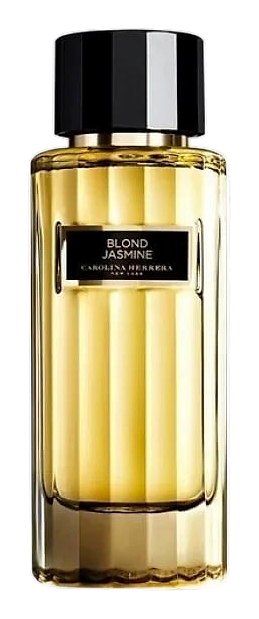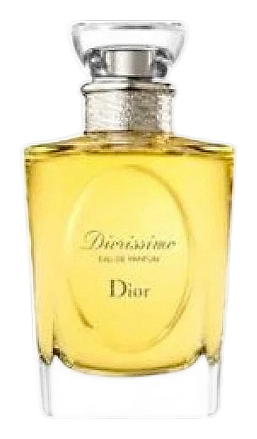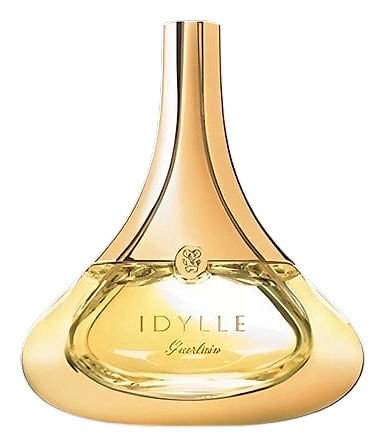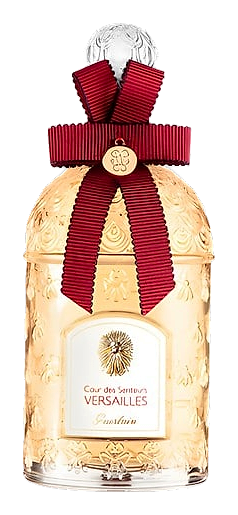

The Story
Why it exists.
The beginning
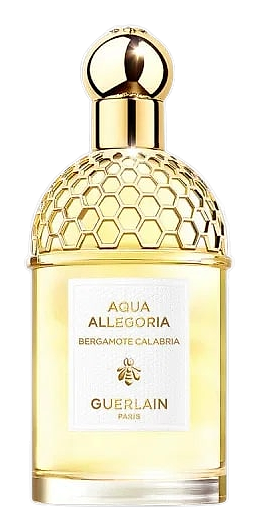
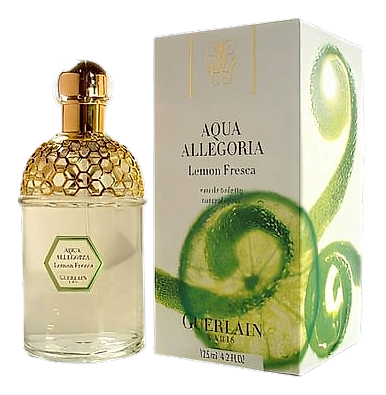
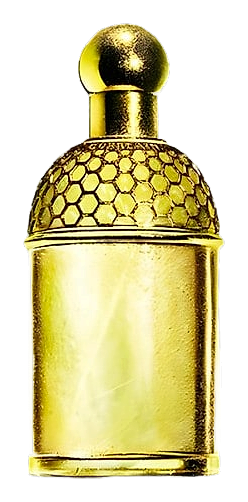
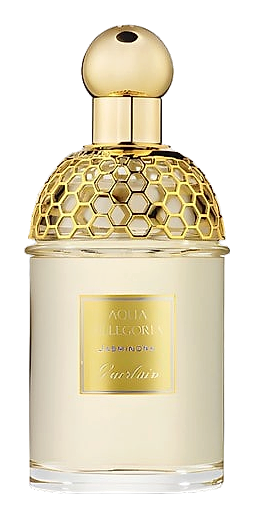
In 2011, Thierry Wasser turned his attention to jasmine for the Aqua Allegoria line. The collection had been built on citrus and brightness, each fragrance a different expression of sparkling freshness. But jasmine demanded something else. Lush, heady, almost indolic in its natural form, jasmine doesn't play by the rules of lightness. The challenge was bringing it into the sun. The name says it all: Jasminora. Jasmine as morning. Jasmine without the night. The 2011 limited release joined the broader Aqua Allegoria family, Guerlain's ongoing exploration of what citrus can carry, what it can become when it opens the door to greenery and florals. Wasser had been perfumer for the house since 2008, and his approach here felt like a quiet correction. Not every white floral needs to be evening. Not every jasmine needs darkness.
What makes Jasminora interesting is the galbanum. This green resin, bitter, vegetal, almost medicinal in isolation, does something unusual in the composition. It keeps the jasmine honest. No soapy artificiality, no powdery drift toward laundry. The jasmine smells like the flower, not an idea of the flower. And because the heart also includes lily of the valley and freesia, there's a freshness underneath that prevents the jasmine from going heavy. It's the combination that makes this work, not the jasmine alone, but the jasmine held in place by cooler notes that won't let it take over. The musk and amber base is restrained. This isn't a fragrance that announces itself from across the room.
The evolution
The opening arrives fast, bergamot bright and sharp, galbanum following within seconds with its green bite. There's an almost vegetable quality to that first minute, like crushing a leaf between your fingers. Then the jasmine swells. Not dramatically, but with a natural fullness that feels sun-warmed rather than synthetic. The heart phase holds for the longest stretch, freesia and lily of the valley keeping the white florals from going heavy, adding a coolness that feels like morning shade. The jasmine doesn't overpower here. It collaborates. You get the richness of the flower without the syrupy sweetness that can make jasmine fragrances feel dated. By hour three, the drydown settles into musk and amber, warm, skin-like, unobtrusive. The jasmine is still there in the background, but softened, stretched thin over a base that doesn't try to hold onto it. On fabric, you might catch a ghost of it the next morning. On skin, it's gone by evening unless you're leaning in close.
Cultural impact
Jasminora found its audience quietly. A 2011 limited release from a house known for perennial classics, it attracted a devoted following among those who encountered it, and lingering regret from those who didn't. The discontinuation has made it a collector's item in the secondary market, sought after by Guerlain enthusiasts who see it as one of the more distinctive Aqua Allegoria entries. It's often mentioned alongside other Guerlain white florals, though its green edge sets it apart from the house's heavier jasmine compositions.
The House
GuerlainGuerlain stands as one of the oldest and most revered perfume houses in the world, founded in Paris in 1828 by Pierre-François-Pascal Guerlain. What began as a boutique on rue de Rivoli quickly became the preferred destination for Parisian society, attracting dandies and elegant women who sought custom-crafted fragrances. The house's influence grew to such heights that Guerlain earned the title of Official Perfumer to Napoleon III after presenting Eau de Cologne Impériale to Empress Eugénie as a wedding gift in 1853. This royal patronage marked the beginning of Guerlain's enduring association with European aristocracy, as the house went on to create fragrances for Queen Victoria and Queen Isabella II of Spain. Today, under the creative direction of Thierry Wasser, the fifth-generation perfumer, Guerlain continues to shape the landscape of fine fragrance with a portfolio spanning over 1,100 olfactory creations. The house remains headquartered at its legendary Champs-Élysées mansion, a historic monument that anchors Guerlain's position at the intersection of heritage and contemporary luxury.
The Creator
Thierry WasserWasser gravitates toward green, crispy notes and the bold florals Guerlain is known for. Bulgarian rose appears repeatedly in his work, and he travels annually to oversee the harvest in Kazanlak.