
The Story
Why it exists.
The beginning
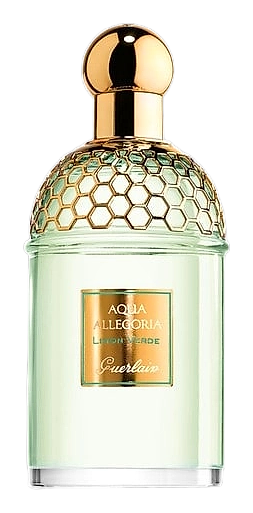
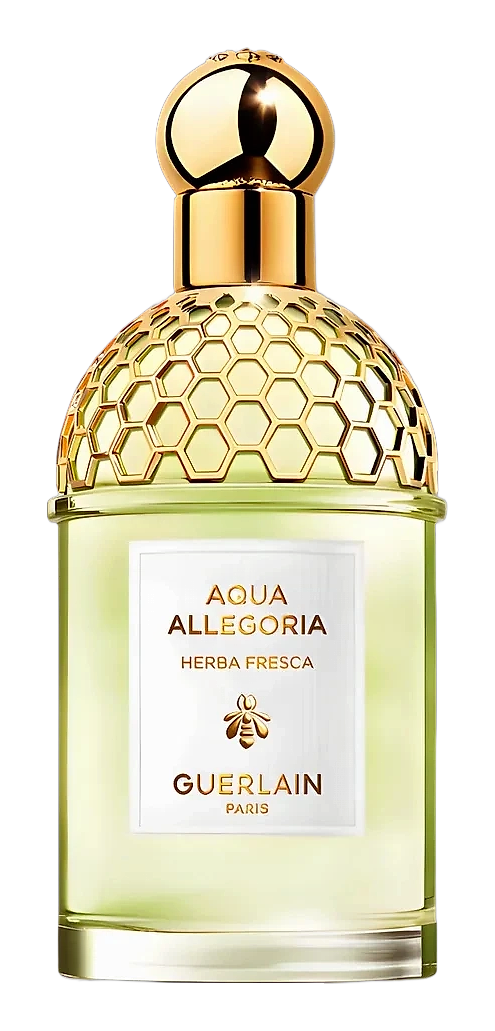
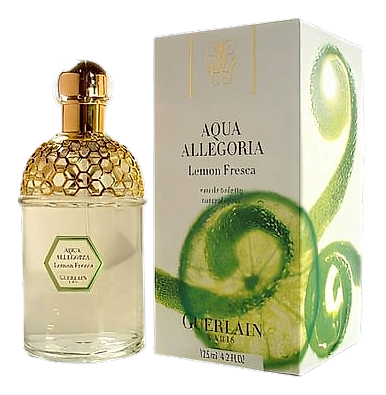
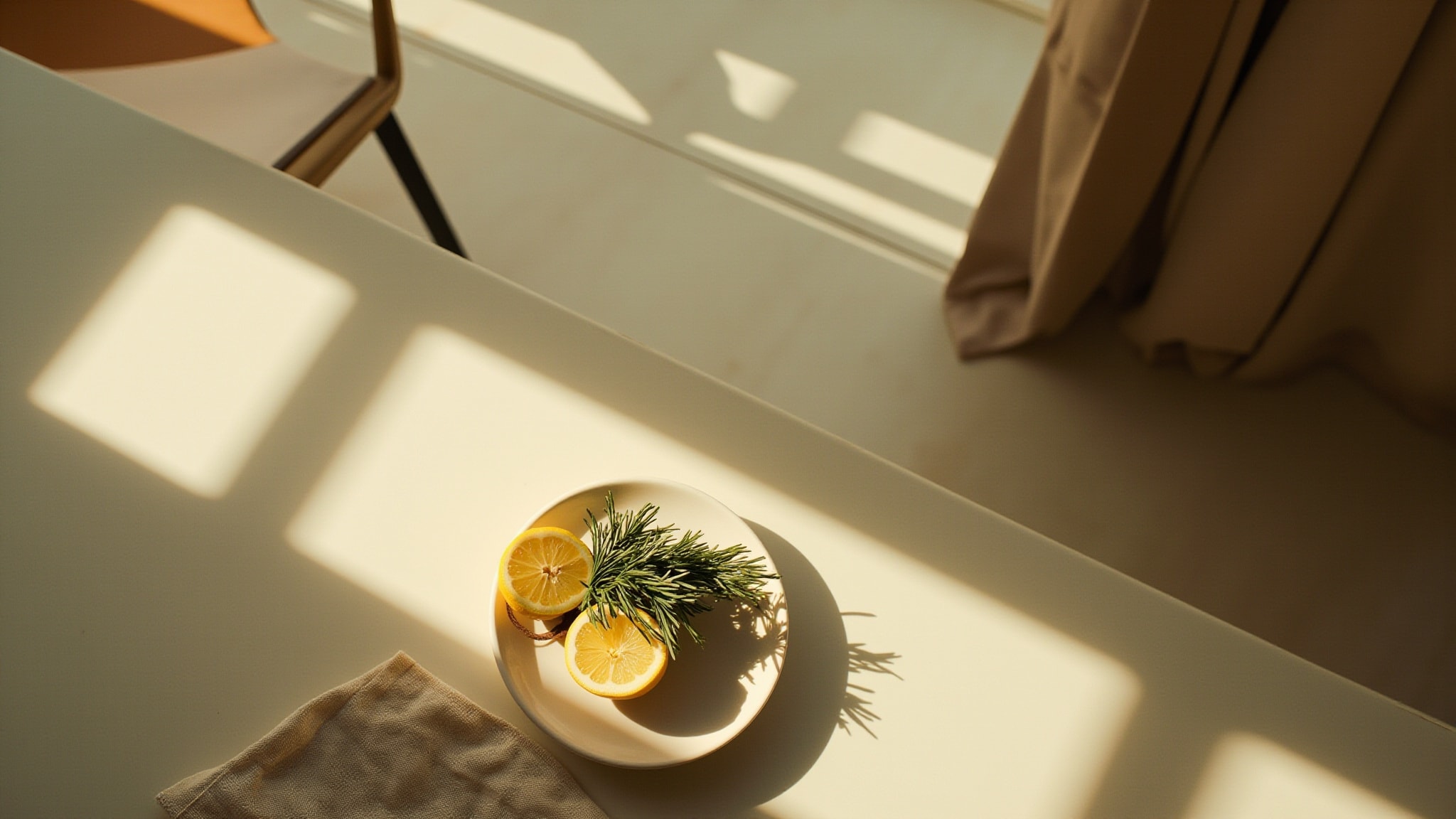
The Aqua Allegoria collection had already established itself as Guerlain's garden fantasy, each fragrance a different botanical territory. Lemon Fresca was the morning itself. Not a metaphor for it. The actual hour when citrus oil catches light and the rind is still wet. Guerlain paired bergamot with lemon and let the anise do what anise does best: arrive early and complicate things, lending a cool, almost medicinal counterpoint that keeps the citrus from becoming predictable. The result is a fragrance that feels both immediate and layered, bright without being simplistic.
The note structure is deceptively simple, bergamot, lemon, lime, anise. Four materials. But the interplay is where Guerlain's craft lives. Bergamot opens bright and stays that way. Lemon arrives sharp, almost photographic in its realism. The anise enters almost immediately, adding a cool, slightly medicinal counterpoint that keeps the citrus from becoming a stereotype. This is the Guerlain approach: never more than necessary, never less than intentional. The composition deepens without becoming heavy, creating a sense of lightness and absence that anchors the drydown.
The evolution
The opening hits immediately: bergamot and lemon, bright and direct. No preamble. The anise arrives within the first minutes, a cool, almost minty presence that keeps the citrus from becoming one-note. By the heart phase, the composition shifts subtly, the herbal quality deepens, and something creamier emerges underneath, a faint earthy-woody trace that never quite becomes musty. The drydown is quieter. The citrus fades but the anise lingers, softly, like a memory of the opening rather than the opening itself. This is a fragrance for proximity, not projection.
Cultural impact
Lemon Fresca found its audience among those who wanted citrus without the clichés. It became a quiet favorite in the Aqua Allegoria line, worn by people who preferred intimacy to projection. The fragrance stands apart from typical fresh fragrance offerings, its aromatic backbone giving it a distinctive character that appeals to those seeking something beyond the ordinary citrus composition.
The House
GuerlainGuerlain stands as one of the oldest and most revered perfume houses in the world, founded in Paris in 1828 by Pierre-François-Pascal Guerlain. What began as a boutique on rue de Rivoli quickly became the preferred destination for Parisian society, attracting dandies and elegant women who sought custom-crafted fragrances. The house's influence grew to such heights that Guerlain earned the title of Official Perfumer to Napoleon III after presenting Eau de Cologne Impériale to Empress Eugénie as a wedding gift in 1853. This royal patronage marked the beginning of Guerlain's enduring association with European aristocracy, as the house went on to create fragrances for Queen Victoria and Queen Isabella II of Spain. Today, under the creative direction of Thierry Wasser, the fifth-generation perfumer, Guerlain continues to shape the landscape of fine fragrance with a portfolio spanning over 1,100 olfactory creations. The house remains headquartered at its legendary Champs-Élysées mansion, a historic monument that anchors Guerlain's position at the intersection of heritage and contemporary luxury.
The Creator
Jean-Paul GuerlainJean-Paul Guerlain's style resists easy categorization, though richness and depth define nearly every composition. He favored opulent oriental structures, warm woods and resins, and florals treated with almost sculptural precision.