
The Story
Why it exists.
The beginning
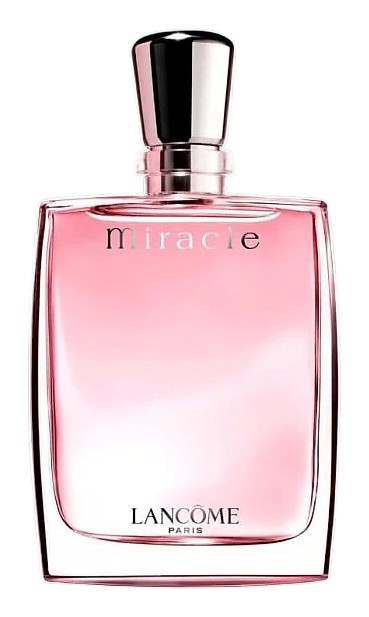
In 2007, perfumer Daniel Molière composed this fragrance with a clear intention: create something that doesn't announce itself, but arrives quietly, noticed only when you're already close enough to catch it. The white florals do the work here. Bergamot opens the composition with a brief citrus brightness, then orange blossom carries the heart forward, soft and present. Jasmine and ylang-ylang deepen the experience, layering warmth into the structure without ever pushing outward. There's a quality of closeness throughout, a sense that this scent belongs against skin rather than filling a room. The florals breathe rather than project, staying intimate and present through every stage. It's a reminder that not every fragrance needs to demand attention.
What makes this composition work is the restraint applied to the white florals. Jasmine carries a reputation for volume, capable of dominating a room, and ylang-ylang can easily become overwhelming in the wrong hands. Here, the house gives these notes room to exist without overwhelming the wearer. The orange blossom opens clean, carries the heart of the fragrance, and remains present through the drydown without ever turning heavy or cloying.
The evolution
Bergamot hits first, a brief moment of citrus brightness before the composition settles into what it actually wants to be. Then orange blossom takes over, not a dramatic takeover, but a quiet assumption of control. The jasmine arrives within the first few minutes, thickening the texture without adding noticeable weight. Ylang-ylang brings its characteristic creaminess, that tropical richness the house has always handled well, softening the edges and adding depth. As the top notes fade, the heart florals continue their slow unfurling, maintaining their presence without ever becoming oppressive. The drydown reveals itself gradually, settling into a soft, intimate finish that feels almost imperceptible unless you're leaning in close. White musk emerges to anchor the composition, giving the florals something warm and skin-like to rest against.
Cultural impact
Eau de Naphe occupies an unusual position in the white floral category, tropical without being heavy, intimate without being invisible. The name sets expectations for closeness rather than projection, and the composition delivers on that promise. It's the kind of fragrance that reads differently on different people, which makes it harder to pin down and easier to remember. The restraint in its construction sets it apart from more assertively floral compositions, offering something softer, more personal. White florals often carry expectations of presence and statement, but this one asks to be discovered rather than announced.