The Story
Why it exists.
The beginning
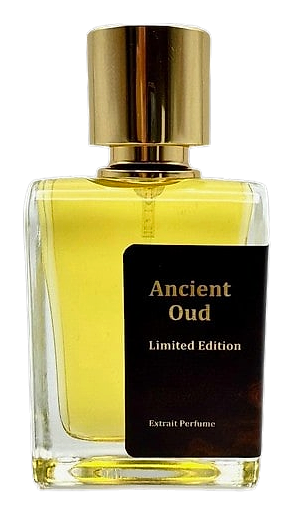
Ancient Oud arrived in 2026 as a study built through the material rather than around it, layering Cambodian, Assam, Burmese, Siam, East Indian, and Laotian ouds in a single composition. Perfumer Marius Pana stacked six regional oud origins across the pyramid, letting each one speak without competition from supporting notes. The brand's own description calls it a return to the origin, a fragrance that does not interpret oud but reveals it in its pure, ancestral form. This isn't a fragrance that frames oud with familiar Middle Eastern tropes or tempers it with sweetness. It's a portrait of what the material can do when nothing else is competing for attention.
What makes Ancient Oud unusual isn't a single rare note, it's the refusal to dilute the experience with competing voices. Six oud origins across the pyramid might sound redundant on paper, but each region contributes its own character, shaped by soil, climate, and the particular chemistry of the Aquilaria tree it came from. The composition draws a line from the brighter top notes down to the deeper base, with each layer adding density rather than distraction. Musk softens nothing here.
The evolution
The opening hits immediately. Cambodian oud announces itself without hesitation, cutting through the air around the wearer from the first moments of application. There's no citrus to soften the approach, no aromatic to make it polite. The heart unfolds gradually, and the scent shifts from the sharper top register into something denser. Assam and Siam oud take over, and the composition moves from resinous brightness into something closer to old wood and warm hide. Burmese and the remaining regional ouds deepen the profile further, layering in facets that range from dry and smoky to faintly sweet in a way that rewards patience. By the time the base settles in, East Indian and Laotian oud merge with the musk and CO2 extracts into a warm, animalic drydown that doesn't fade so much as settle closer to the skin.
Cultural impact
Ancient Oud sits at the committed end of the oud spectrum, a release for wearers who already know they want oud and want a lot of it. The fragrance is built around six regional oud origins across the pyramid, presenting the material in layered form rather than as a single-note statement. It rewards the wearer who can distinguish one agarwood origin from another, and it doesn't apologize to anyone who can't. The composition reads as a deliberate survey of what regional oud can offer when nothing else is in the way, offering a focused portrait rather than a blended interpretation.