CO2 Extracts
CO₂ extracts capture a plant’s authentic aroma, preserving both volatile and heavier molecules that traditional methods often lose, delivering a fragrance profile that mirrors the source material.
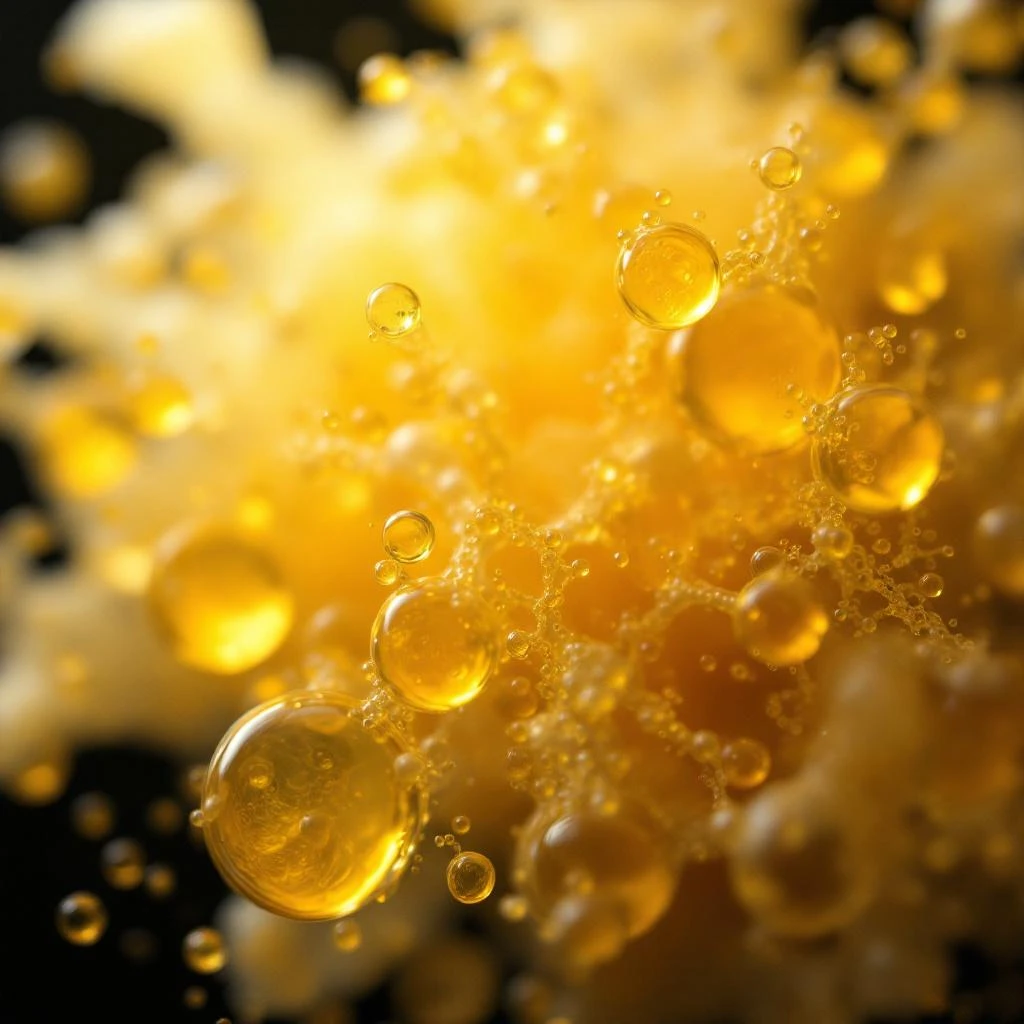
Character
How it smells
Pure plant essence, locked in carbon dioxide.
A single kilogram of rose petals yields about 0.02 g of CO₂ extract, yet the resulting oil contains over 90 % of the flower’s native compounds.



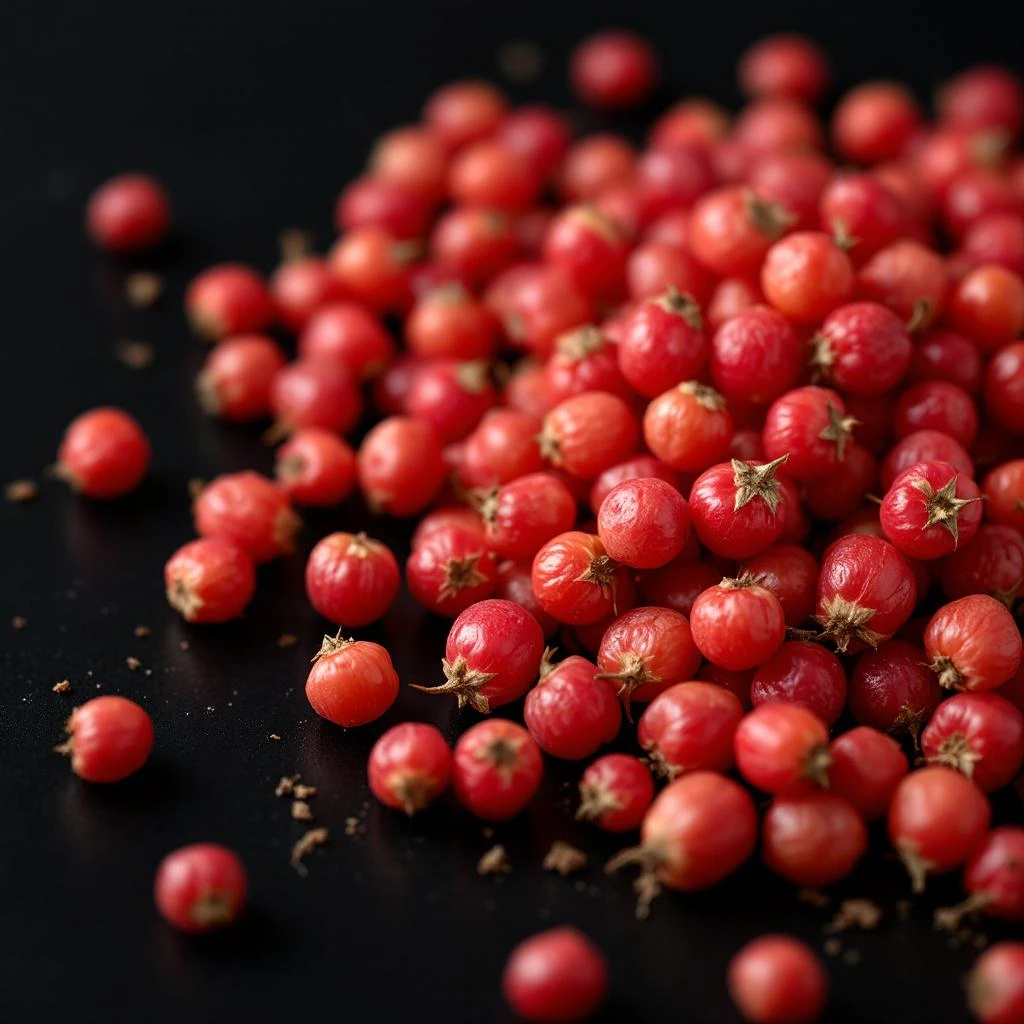





Origin
France
The practice of extracting fragrance from plants dates back centuries, but the first documented use of carbon dioxide as a solvent appeared in the early 20th century. French chemist Paul J. M.
Bouchard patented a high‑pressure CO₂ method in 1935, yet industrial adoption lagged until the 1970s when advances in pressure‑vessel technology made large‑scale supercritical extraction feasible. By the mid‑1990s, major perfume houses in Europe began releasing lines that highlighted CO₂‑derived ingredients, praising their fidelity to the source material. The technique gained momentum as consumers demanded cleaner, greener products, and regulatory bodies recognized CO₂ extraction as a natural process in 2005.
Today, CO₂ extracts feature in both niche and mainstream fragrances, illustrating how a century‑old invention reshaped modern perfumery.
Wears it best
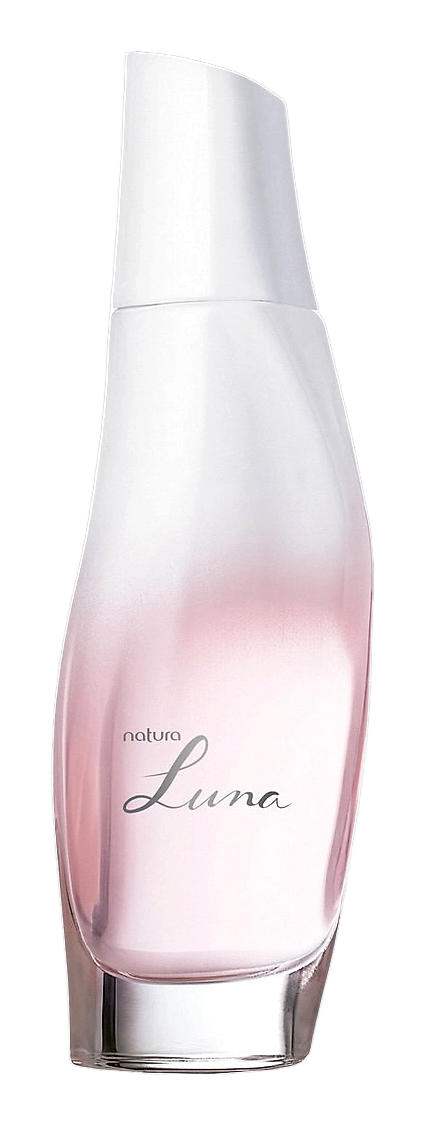
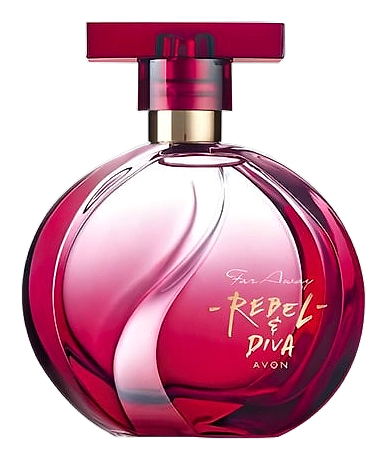
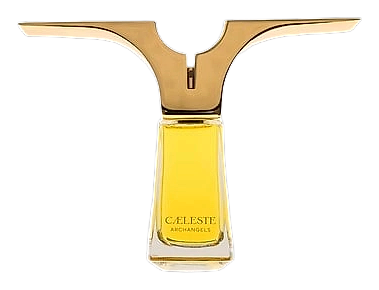
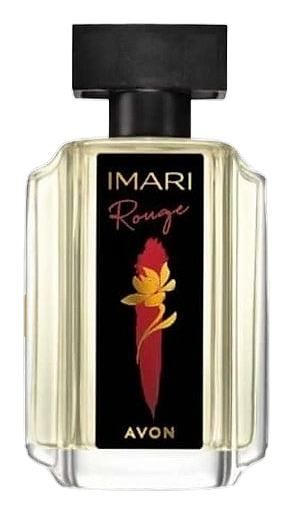
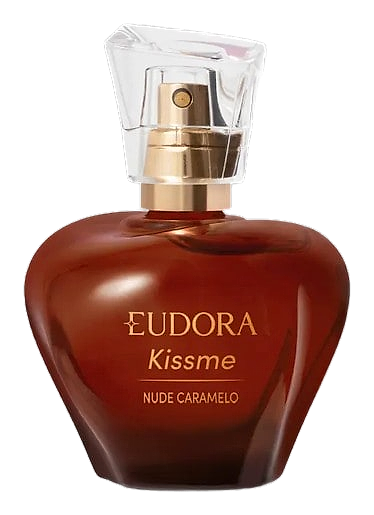
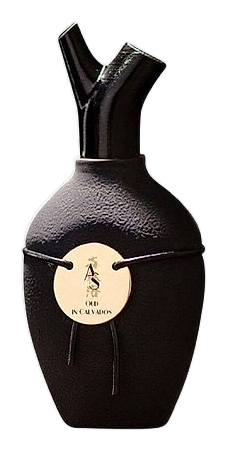
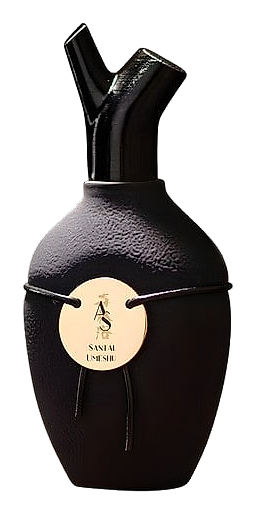
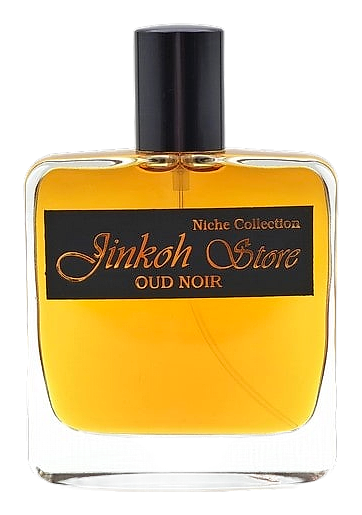
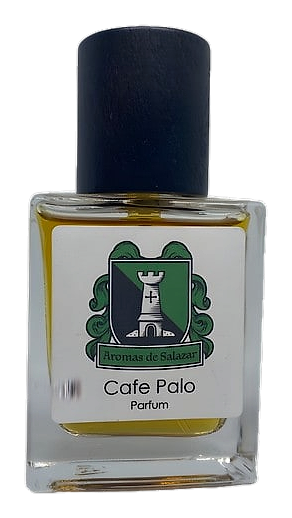
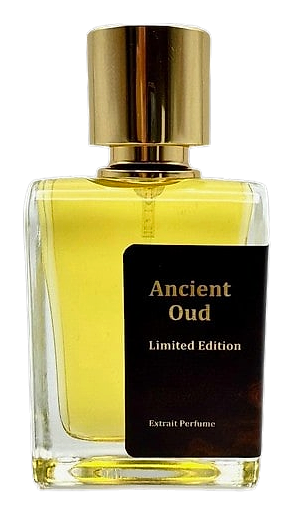
Fragrances featuring CO2 Extracts

Brands
Brands known for CO2 Extracts
Good to know
Questions, answered
The essentials on CO2 Extracts in perfumery: how it smells, where it comes from, and how it behaves on skin.
What are CO₂ extracts?
CO₂ extracts are fragrance concentrates obtained by passing supercritical carbon dioxide through plant material. The process isolates both volatile and heavier aroma compounds, delivering a profile close to the raw botanical. In 2020, the International Fragrance Association recorded that 12 % of new natural releases used CO₂ extracts.
How does CO₂ extraction differ from steam distillation?
CO₂ extraction works at lower temperatures than steam distillation, preserving heat‑sensitive molecules. It also extracts non‑volatile constituents that steam cannot capture. A 2018 study showed that CO₂‑derived lavender oil retained 15 % more linalool than steam‑distilled oil, therefore perfumers gain a richer aromatic palette from the same botanical.
Are CO₂ extracts considered natural?
CO₂ extracts qualify as natural under most regulatory definitions because they use only carbon dioxide and plant material. No synthetic solvents remain in the final product. The European Union listed CO₂ extraction as a natural method in its 2021 cosmetics regulation.
What is the typical yield of CO₂ extraction?
Yield varies by plant, but CO₂ extraction often produces 5–10 % of the raw material weight as concentrate. For example, rosemary leaves give about 8 % yield under standard conditions. This efficiency exceeds steam distillation, which averages 3 % for the same herb.
Is the CO₂ extraction process environmentally friendly?
The process recycles carbon dioxide, reducing solvent waste and energy consumption. Operators capture and reuse CO₂, limiting emissions. In 2019, a leading French facility reported a 30 % reduction in overall carbon footprint compared with traditional solvent extraction.
Can CO₂ extracts be used in all perfume categories?
Perfume creators employ CO₂ extracts across floral, woody, and aromatic lines because the method preserves a full spectrum of aroma notes. A 2022 market survey found that 68 % of niche houses included at least one CO₂‑derived ingredient in their latest releases.
Do CO₂ extracts retain allergenic compounds?
CO₂ extraction does not remove naturally occurring allergens; it simply isolates them alongside desirable aromas. Testing of CO₂‑derived jasmine showed the same allergen profile as steam‑distilled jasmine. Regulators therefore assess CO₂ extracts using the same safety thresholds as other natural extracts.
Is special equipment required for CO₂ extraction?
Yes, manufacturers need high‑pressure vessels that maintain carbon dioxide at supercritical conditions (above 31 °C and 73 bar). These systems cost more upfront but deliver consistent quality. A 2021 industry report listed equipment prices ranging from €150,000 to €500,000 for mid‑size units.