The Story
Why it exists.
The beginning
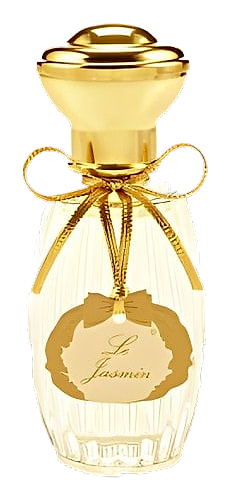
Le Jasmin was created by perfumers Isabelle Doyen and Camille Goutal, and it carries within the firm particular sense of a deeply personal connection to the flower that defines it. Jasmine, for Annick Goutal, was never simply a commodity ingredient or a familiar trope in the perfumer's palette. It was something closer to a recurring presence, a floral companion whose scent threaded through her sensibility long before she ever set out to bottle the feeling for others. The fragrance grew out of that long familiarity, that accumulated attention paid over years to a single flower in all its moods and moments.
When Annick Goutal built her perfume house, jasmine was one of the flowers she returned to again and again, drawn by the challenge and the pleasure of working with a material so thoroughly embedded in the history of French perfumery. The flower had been a fixture of Grasse and the surrounding region for generations, harvested at dawn by workers whose hands knew the rhythm of the season intimately, and Annick understood that any serious jasmine composition had to reckon with that heritage rather than simply borrow its imagery.
The evolution
In the years following its debut, Le Jasmin has settled into a comfortable, somewhat unflashy place in the wider conversation about soliflore work, where the very natural jasmine character that some fragrances sanitize away is precisely what many serious wearers are looking for. The composition itself has not been subjected to dramatic overhaul, retaining much of the original character that defined it from the outset, though the realities of working with a natural material as demanding as jasmine have always shaped the careful stewardship of any such fragrance.
Cultural impact
Le Jasmin sits within an interesting current in modern floral perfumery, the one that has quietly pushed back against the increasingly synthetic, increasingly abstract direction of much mainstream fragrance work, and it does so by taking a single flower seriously enough to devote an entire composition to its full expression.