The Story
Why it exists.
The beginning
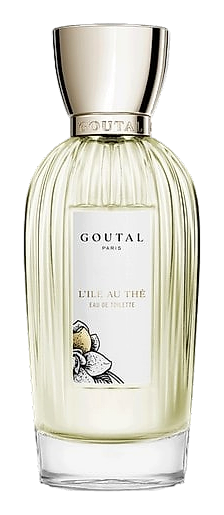
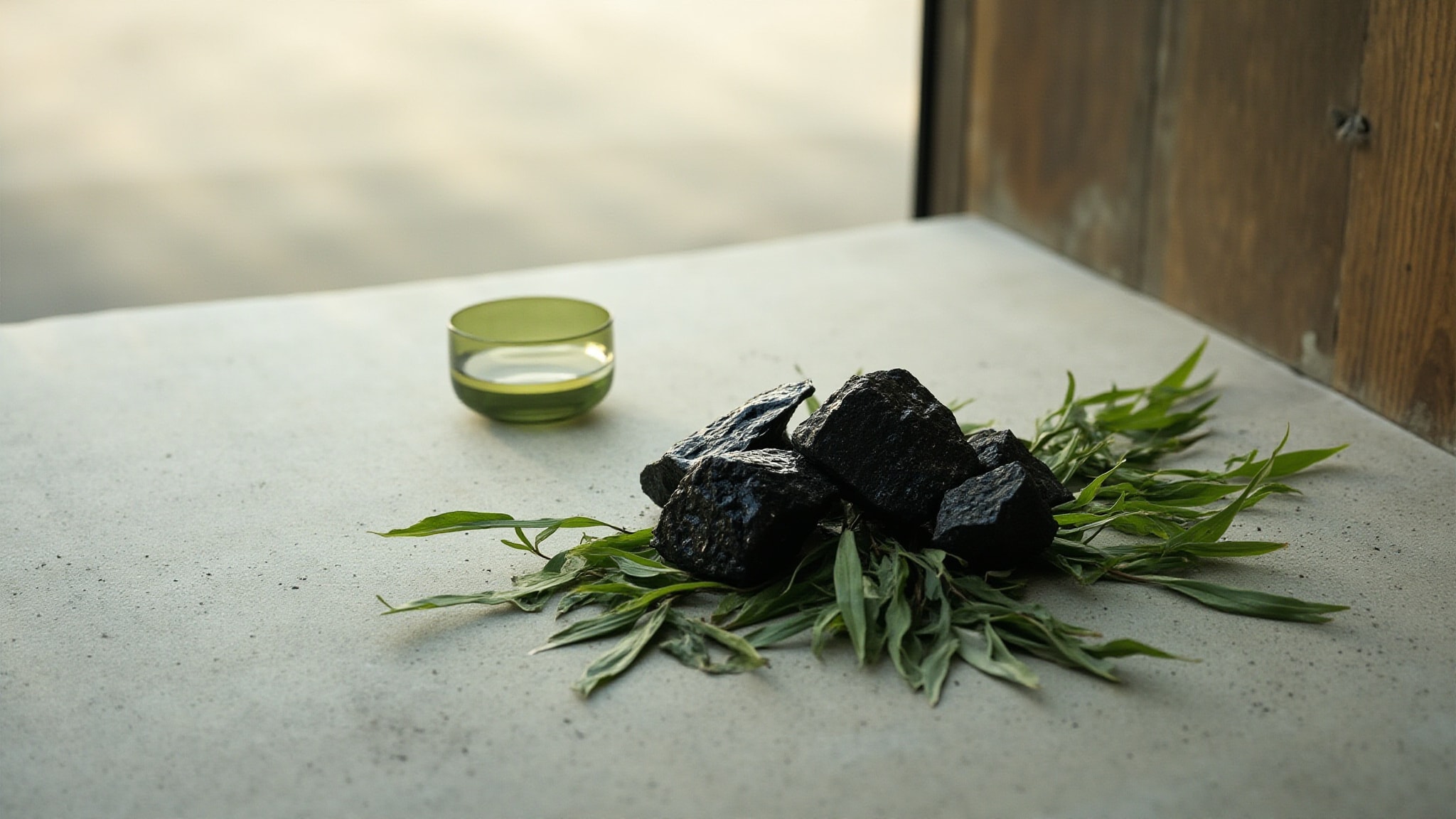
L'Ile au Thé was born from Jeju, the volcanic island off South Korea's coast, all black stone beaches and green tea terraces. Camille Goutal and Isabelle Doyen weren't building a fragrance around a concept. They were trying to hold onto something: the specific quality of air on that island, mineral and green and impossibly clear. The name means exactly what it sounds like. The island. The tea. Both at once.
What makes this composition unusual is the osmanthus absolute at its center. Most green tea fragrances go linear, bright opening, watery middle, forgettable drydown. Here, the osmanthus does something unexpected: it turns the trajectory. Not sweeter exactly, but velvety. Almost plush. The apricot-and-velvet character of osmanthus gives the tea something to rest against, something with texture. It's the difference between a flat photograph and one with depth.
The evolution
It opens citrus-bright, mandarin and bergamot, the kind of sparkle that reads as morning light. Within minutes, the tea arrives. Not green tea the concept, but the actual material: slightly bitter, slightly astringent, undeniably real. The osmanthus blooms around the ten-minute mark and the fragrance shifts. The sharpness gives way to something warmer, rounder. This is where most wearers fall in. The drydown settles into cedarwood and white musk, with the maté adding a faint herbal undertone that keeps everything grounded. Four to six hours later, there's a soft osmanthus-and-cedar shadow left on the skin. Close. Warm. The kind of trace that makes someone lean in.
Cultural impact
The tea fragrance category was crowded by 2015, but L'Ile au Thé carved out space with osmanthus, a note that reads as floral, apricot-soft, and surprisingly intimate against green tea. It's been called a sophisticated alternative to mainstream green tea scents, appealing to wearers who find most tea fragrances too linear or too aquatic. The Jeju inspiration gives it a geographic specificity that most category competitors lack, this isn't tea as concept, it's tea as terroir.