The Story
Why it exists.
The beginning
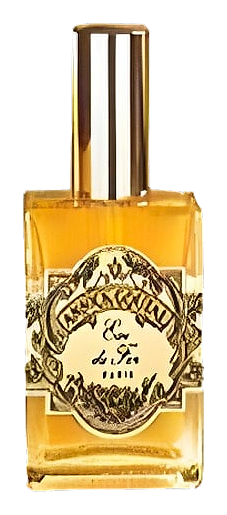
Annick Goutal composed Eau du Fier in 2000, and it remains one of her most uncompromising creations. The name itself sets the tone. Where much of her catalog drifts into impressionist gardens and whispered florals, this one walks straight into smoke. Goutal built it around the scent of birch tar, that black, phenolic resin with a smell that is hard to mistake. It carries the weight of a working harbor, the dry heat of a blacksmith's forge, the petrichor of a road after rain. The material is not subtle, and neither is the composition built around it. It refuses to behave like a polite skin scent, and that refusal is what gives Eau du Fier its particular character among the rest of the Goutal lineup. This is a fragrance that asks something of the wearer, not charm but presence.
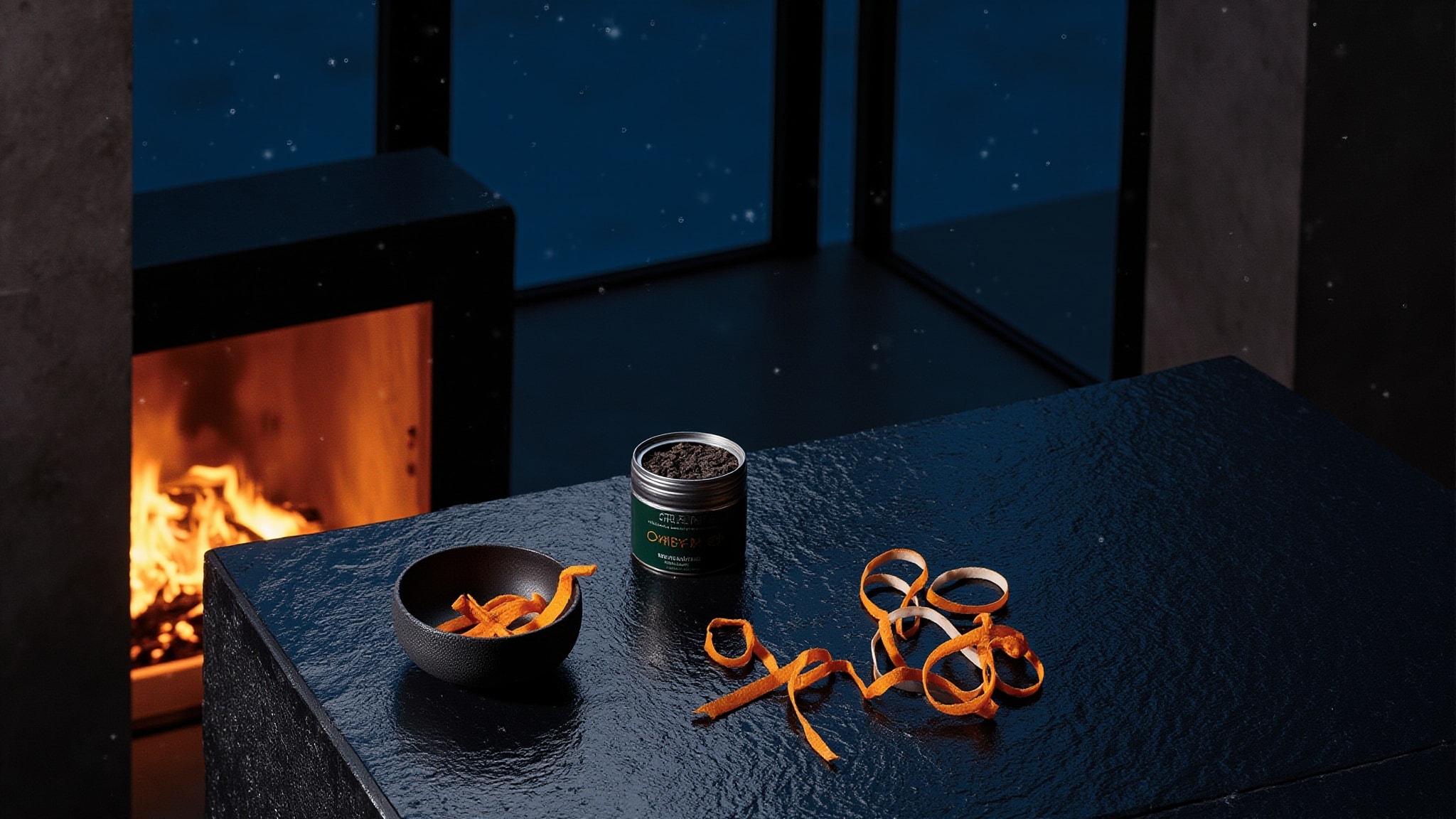
What makes Eau du Fier worth attention is the tension between its darkest and lightest elements. Birch tar provides the smoke and the weight. But Annick Goutal balances it against bitter orange and black tea, two notes that pull upward and forward. The result is not a smoky scent with citrus sprinkled in for novelty. It is a structural argument. The tar gives it gravity, the tea gives it clarity, and the bitter orange keeps the whole composition from collapsing into ash. The interplay is constant: smoke against bitterness, resin against tannin, darkness against the bright sting of citrus peel.
The evolution
The opening wears birch tar like a heavy coat, with bitter orange threading through it, sharp and almost medicinal, sharpening the smoke rather than softening it. Osmanthus drifts underneath, a bruised apricot sweetness that meets the char and holds its ground. As the composition moves forward, clove and black tea surface, warming the fragrance from underneath like embers catching after a long wait. The tannic dryness of the tea sits on top of the tar like dust on old leather, adding texture without lifting the smoke. Eventually a salty undertone emerges, a mineral coolness that reads almost like sea air drifting through a window left cracked. From there the fragrance settles into a close, leathery drydown, the birch tar deepened and quieter, fused with salt into something almost geological. It clings to skin and fabric, reading more like worn leather than smoke.
Cultural impact
Eau du Fier sits among a small group of birch-tar-forward fragrances that few houses attempt. It shares some territory with Comme des Garçons' Series 1: Leaves - Tea and Cartier's XIII: La Trezième Heure, both of which explore similar mineral-smoke terrain, though the Goutal composition takes a different path through that landscape. Among the Goutal catalog, it remains an outlier, the place where the house's poetic softness gives way to something architectural and unyielding. The fragrance has attracted a dedicated following among collectors who appreciate the way it refuses to soften itself for a wider audience.