The Story
Why it exists.
The beginning
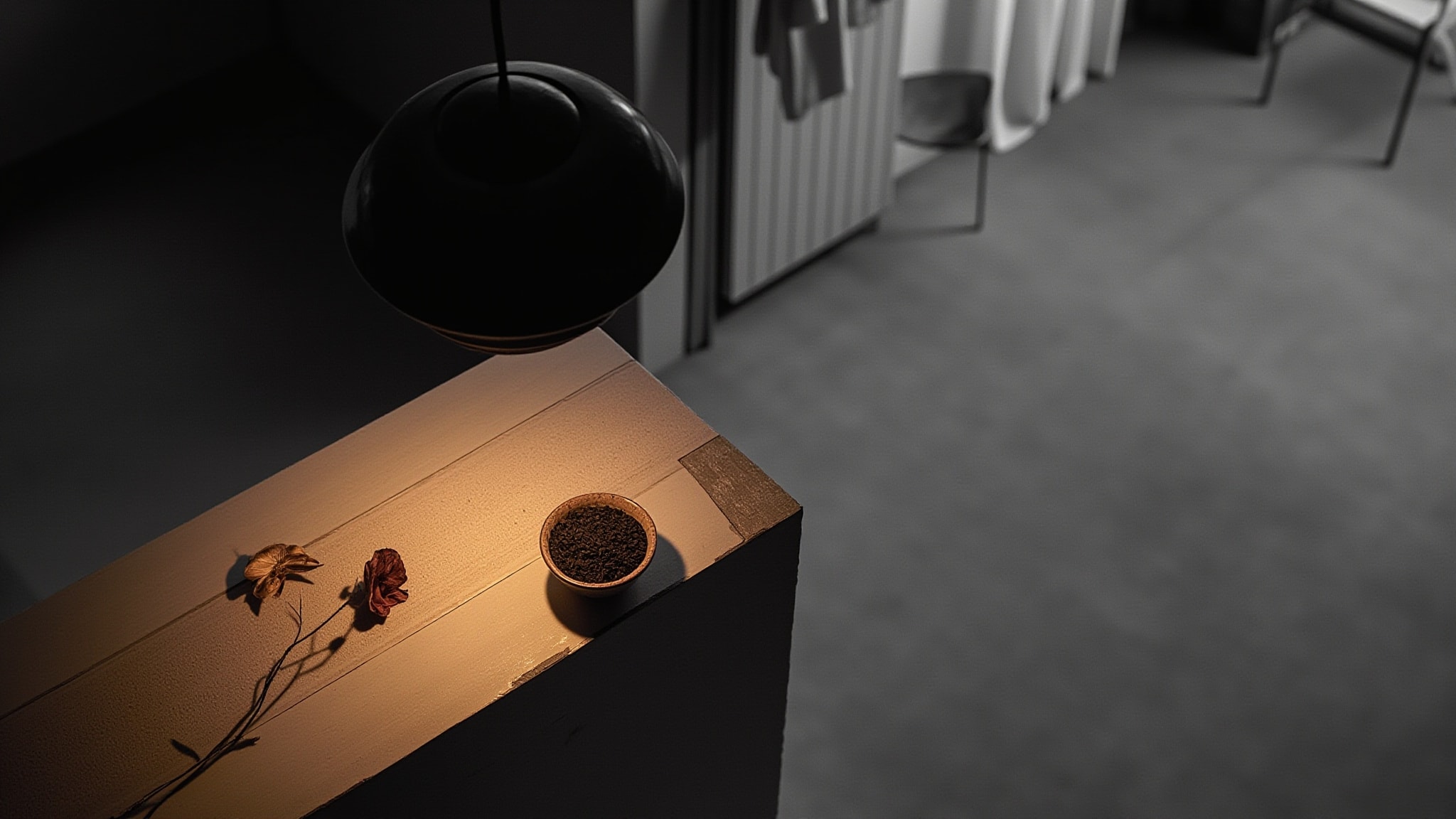
Comme des Garçons launched Series 1: Leaves in 2000, and Tea was its quiet provocation. Where most tea fragrances reached for the bright and the clean, this one walked the other direction. The concept plays with the leaf at its most oxidized, the version you get after the cup sits too long, the kettle goes cold, and the kitchen grows dim. What comes through is a gray haze of bergamot and cedar, carrying rose petals through smoke. It's the burnt end of the brew, the leaf darkened past recognition, the room after the conversation ended and nobody turned on the light.
The composition works because it refuses to behave like a tea accord. Bergamot and rose read as one thing at first, a bright floral warmth that smells like late afternoon on a wooden table. Then black tea and maté absolute settle into the middle, and the cedar pulls the whole structure into something denser, smokier, almost mineral. Where most tea fragrances lean aqueous or ozonic, this one burns. The smoky-spicy classification isn't marketing copy. It's what the leaf becomes when you forget about it on the stove.
The evolution
The opening is the most deceptive stretch. Bergamot lifts first, bright enough to register as clean, before the cedar shows up and reorients everything toward something darker. The rose sits underneath, not blooming but smoldering, the way a petal looks when it's caught between the flame and the table. The composition eventually sheds its sparkle and settles into a deeply smoky middle. This is the maté and black tea doing their slow work, tasting less like a beverage and more like the space a beverage occupied. The cedar moves to the foreground as the hours pass, woody and dry, with the rose functioning more as a memory than a present note. What remains is a quiet earthen warmth: smoked tea leaf, wood resin, the faintest hint of something floral that you can't quite name. On fabric it reads patient and unhurried, holding its smoke long after the skin has faded.
Cultural impact
Series 1: Leaves arrived in 2000, and Tea became one of its defining entries. Rather than chasing the clean, aqueous tea fragrances that had grown common by that point, the composition leaned into smoke, oxidation, and shadow. It offered a tea that darkened and refused refreshment. The fragrance is reported as discontinued, which only sharpens its reputation among those who wore it early. It remains a touchstone for anyone trying to understand what tea can mean outside the obvious categories, and it still turns up in conversations about the more unconventional corners of the Comme des Garçons catalog.