The Story
Why it exists.
The beginning
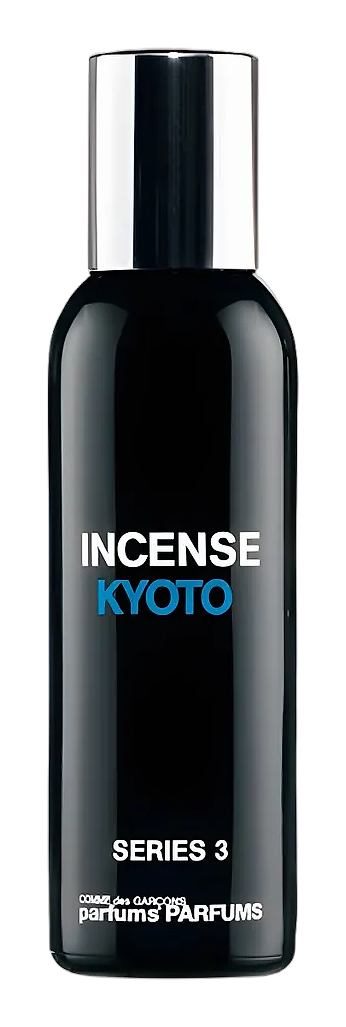
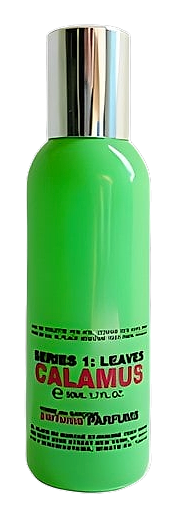
Series 1 Leaves was built around the idea of sensation itself. Rei Kawakubo and Comme des Garçons commissioned five fragrances exploring different sensory territories, Light, Sight, Touch, Air, and Smell among them, as a kind of olfactory philosophy experiment. Calamus takes its name from Acorus calamus, sweet flag, a wetland herb with a long history in traditional medicine and perfumery. Bertrand Duchaufour was given an unusual brief: make something that smells like a plant most people have never encountered, that translates a concept into something you can wear. The name is the concept. The fragrance is the proof.
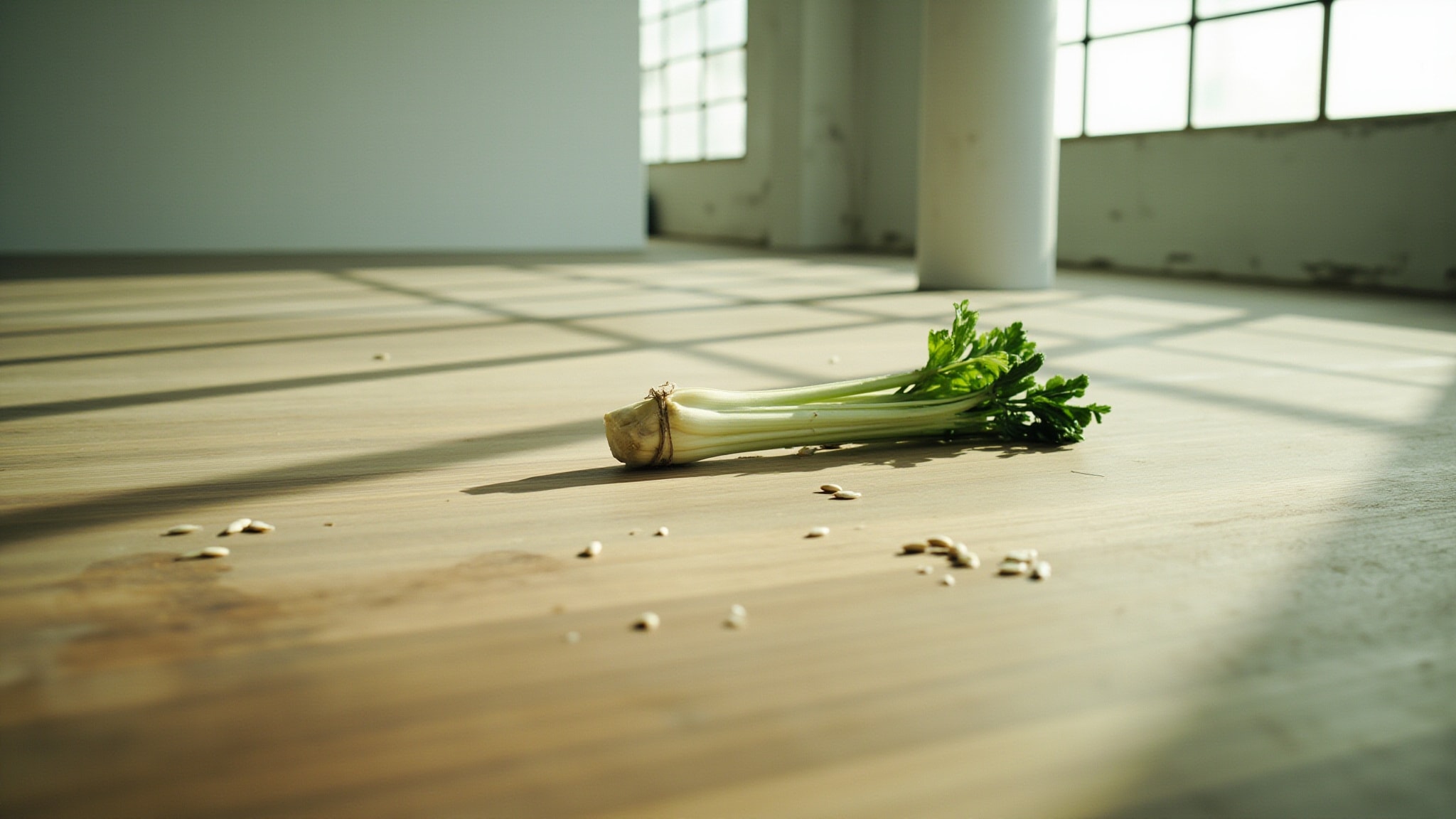
What makes Calamus unusual is the celery seed and angelica pairing, two ingredients that most perfumers treat as supporting players become the entire stage here. Celery seed gives a bitter-green vegetable note that reads almost medicinal. Angelica adds a musky, slightlyDirty earthiness underneath. Together they create something that smells like the actual plant, not a romanticized version of it. The bamboo amplifies the watery green quality. The pink pepper provides just enough warmth to keep it from becoming clinical. This is a fragrance that insists on being itself, refusing to smooth down its edges for comfort.
The evolution
The opening announces itself quickly, a sharp, cool greenness that feels like biting into a celery stalk. Angelica and celery seed arrive together, creating that unusual bitter-vegetable character within the first five minutes. The berries appear briefly, a fleeting sweetness that disappears before you can name it. By the mid-stage, the composition shifts into something warmer and more textured, the musky quality of angelica deepens, the bamboo settles into the background like wet stems, and a powdery amber starts to form. The drydown is where Calamus earns its reputation: a soft, woody warmth that lingers close to the skin for the remaining hours, intimate and low-key. On fabric, it lasts longer than on skin, the powdery drydown can hold on until the next morning.
Cultural impact
Calamus sits comfortably in the corner of niche perfumery that refuses to be likable on command. It has a small, devoted following, people who found it by accident, tried it once, and couldn't stop thinking about it. The 2017 re-release under the Olfactory Library label brought it back unchanged, which says something about the original composition: it was right the first time. It doesn't try to compete with the loud fragrances in any room it enters. That restraint is, for a certain kind of wearer, the entire appeal.