
The Story
Why it exists.
The beginning
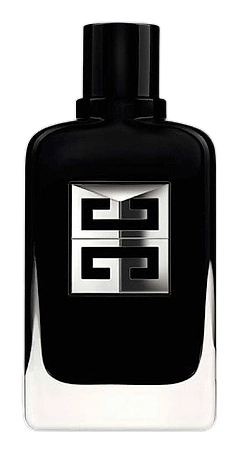
Givenchy introduced the original Insense in 1994 as a statement of modern masculinity, green, aromatic, uncompromising. The house translated its couture heritage into scent, treating fragrance as a garment worn on skin rather than a commercial product. Insense became a reference point for men who wanted scent to project confidence without shoutiness.
The note choices reflect a deliberate restraint. Bergamot and fig leaf avoid the obvious aquatic markers that defined many fragrances of the mid-2000s. Instead, they suggest freshness through green-citrus structure. Cyclamen and magnolia add the necessary floral depth to keep the fragrance from reading as flat, while cedarwood grounds everything into something that actually lasts on skin.
The evolution
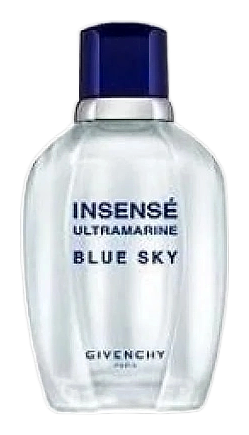
Insense Ultramarine Blue Sky takes the family DNA and reframes it for different weather. The bergamot-fig leaf opening captures that specific clarity of a morning with no clouds, the air still cool. Cyclamen and magnolia form the heart, a pairing that reads as quietly confident rather than demonstrative. Cedarwood in the base keeps the structure honest and long-lasting without dragging the fragrance into territory that feels heavier than the name promises.
Cultural impact
Insense Ultramarine Blue Sky is a product of its era. The late 2000s saw masculine fragrances softening in ways that would have been unthinkable a decade earlier, florals, lactonic notes, powdery drydowns entering territory that was once strictly spicy and aromatic. Ultramarine Blue Sky sits in that conversation, a masculine fragrance that uses floral elements not as decoration but as structure. It proved that clean and interesting aren't mutually exclusive.