
The Story
Why it exists.
The beginning
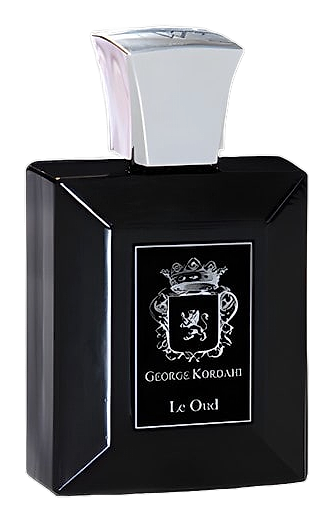
Le Oud is the flagship of a house built around oud as a cultural inheritance rather than a novelty. The brand stakes its reputation on a single material, the one named right on the bottle, and asks to be judged entirely on what that material does when it lands on skin. There is no allegory in the naming, no abstract concept to decode. The label reads exactly what's inside, and inside is the kind of dense, resinous composition that doesn't apologize for taking up space. You smell it once and understand what the house is: unfiltered, committed, and uninterested in dilution. The whole identity pivots on this scent, this raw material, this one uncompromising statement of intent.
The structure is deliberately old-school for the genre. Spices and an earthy soil tincture open, frankincense and oud carry the weight through the middle, and the drydown commits to amber, myrrh, and animalic warmth. There are no citrus brighteners, no modern aquatic shimmers, no green tea to make it feel approachable. The combination of frankincense with myrrh in the base locks the composition into a serious register, the kind that reads dense and complex without ever softening at the edges.
The evolution
The opening is the loudest stretch, and it hits hard. Spices arrive first, almost medicinal, with a sharp bitter edge from the soil tincture that anchors everything before the smoke has a chance to lift. Frankincense arrives next, smoothing the rough angles and giving the smoke a sacred weight rather than an ashtray quality. As the composition moves forward, the oud surfaces fully, dark and resinous, shifting from a supporting role into the backbone of the entire wear. Hours in, most fragrances start to fade. This one shifts into its second gear. Amber and myrrh take over, warming the composition from below while the animalic notes add a skin-like intimacy that pulls the scent closer rather than letting it broadcast.
Cultural impact
Le Oud occupies a specific register in the regional fragrance scene where buyers actively want the old-school, smoke-forward take on oud rather than the cleaner, more internationally palatable versions that dominate Western niche shelves. Within that register, the scent reads as complex and unapologetic in its material stance, dense and resinous in a way that resists the mass-market softening seen in many modern oud releases. The platform-generated similarity feature places it near Jubilation XXV Man, a placement that hints at where it sits culturally: heavy, incense-laden, and uncompromising.