
The Story
Why it exists.
The beginning
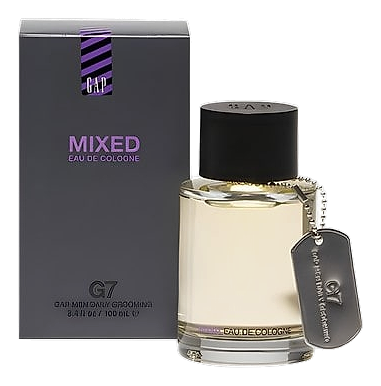
G7 Mixed arrived in 2007, part of the G7 line from Gap, a brand better known for what hangs on a rack than what sits in a glass bottle. The G7 collection itself was conceived around a single idea: take two ingredients and build a complete men's scent around nothing else. Most houses would call that reductive. Gap called it a men's fragrance, and the brief was simple. The perfumer was Gil Clavien, whose name appears in the credits and little more is publicly documented about the commission. What matters is the result, a men's scent built around cardamom and musk, two notes that don't traditionally anchor a casualwear release.
What makes G7 Mixed worth talking about is the composition itself. No lavender, no bergamot, no aquatic accord pretending to be freshness. Just cardamom, which brings a green, almost eucalyptus-adjacent heat, and musk, which here reads less like clean skin and more like the real thing, warm and faintly animal. The accords the community logs confirm it: musky, powdery, warm spicy, aromatic, animalic. That last one is doing real work. Most mall fragrances at this price point flinch away from anything that reads remotely bodily. G7 Mixed leaned in.
The evolution
The opening is almost entirely cardamom, sharp and green, the way the spice smells when you crack a pod fresh. There's a powdery edge to it that reads slightly dusty, almost like the dust on a paperback's top edge. Not unpleasant. Just present. Then something shifts. The musk rises, and the cardamom doesn't disappear so much as get absorbed into it. The spice becomes warmer, softer, less mentholated and more like the heat of skin after a long walk. As the composition settles, it moves into a steady musk-cardamom drydown that stays close to the body. It doesn't project far. It doesn't need to. The sillage is intimate, a quiet trail that registers only when someone steps into your space, but what's inside that bubble is warm, slightly animal, and remarkably consistent.
Cultural impact
G7 Mixed sits in an unusual spot within the Gap fragrance catalogue, a men's scent from a casualwear brand built around a two-note structure where most houses would layer a wider pyramid. The result is something that wears more like a considered composition than a casual afterthought, and that combination helps explain its quiet following among wearers who have found it. Community members tend to describe it less as a Gap fragrance and more as a musk fragrance that happens to wear the Gap label. That distinction matters.
The House
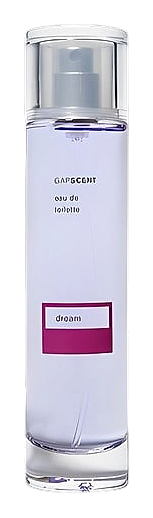
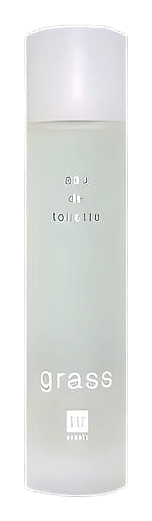
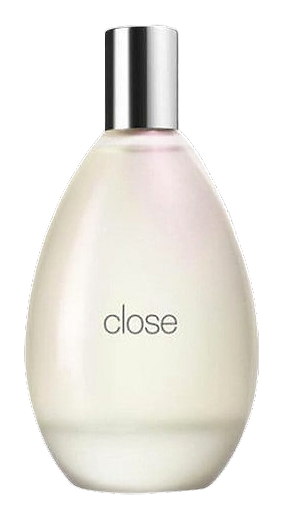
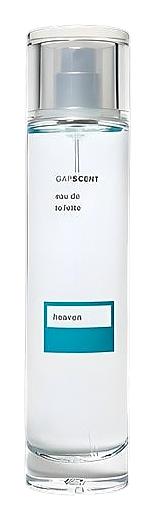
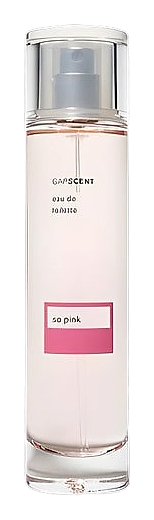
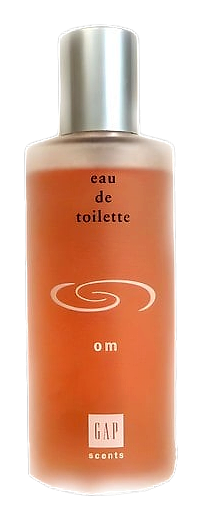
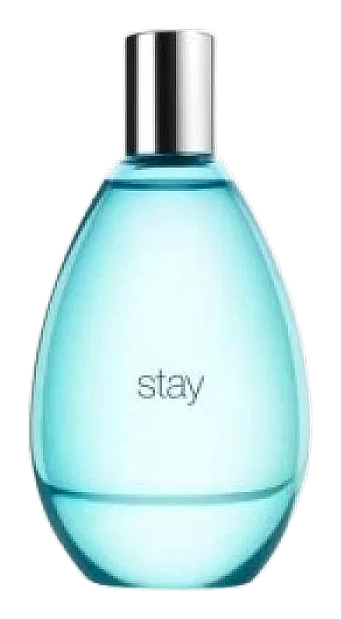
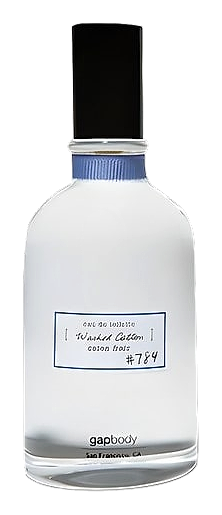
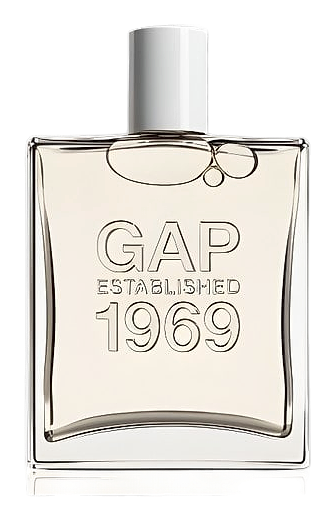
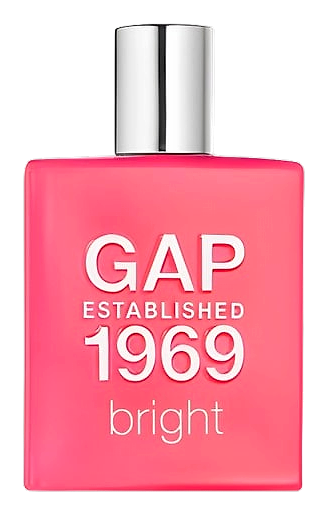
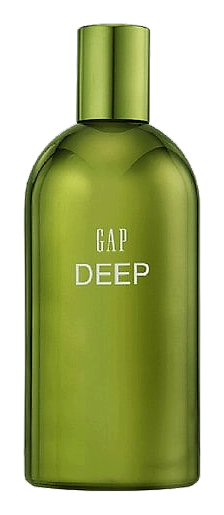
GapGap fragrances represent an iconic chapter in American fashion fragrance history, born from the casualwear retailer that defined 1990s shopping culture. The brand's scent collection captured the accessible, democratic spirit of its parent company, offering fragrances that felt intimately tied to theGap shopping experience. Rather than positioning itself within luxury perfumery, Gap brought an approachable sensibility to fragrance, making scents that evoked wardrobe staples and everyday American moments. The collection gained particular renown for its ability to trigger powerful nostalgia, with fragrances like Heaven, Dream, and Grass becoming cultural touchstones that fans still seek decades later. Gap fragrances occupy a distinctive niche in perfume history, neither high-end niche nor drugstore basic, but something uniquely aligned with mall culture and mid-range American retail at its peak.
The Creator
Gil ClavienGil favors a balanced architecture that pairs crisp top notes with a resilient heart and a lingering base. She often starts with citrus or green accords to create an immediate spark, then layers florals such as jasmine or peony to add depth.