The Story
Why it exists.
The beginning
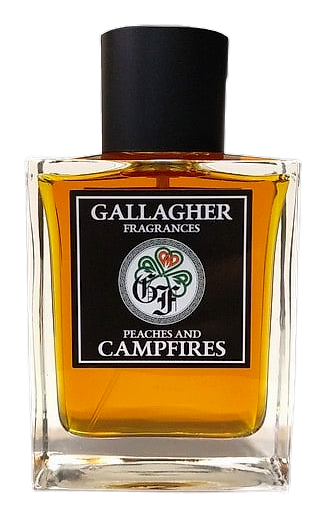
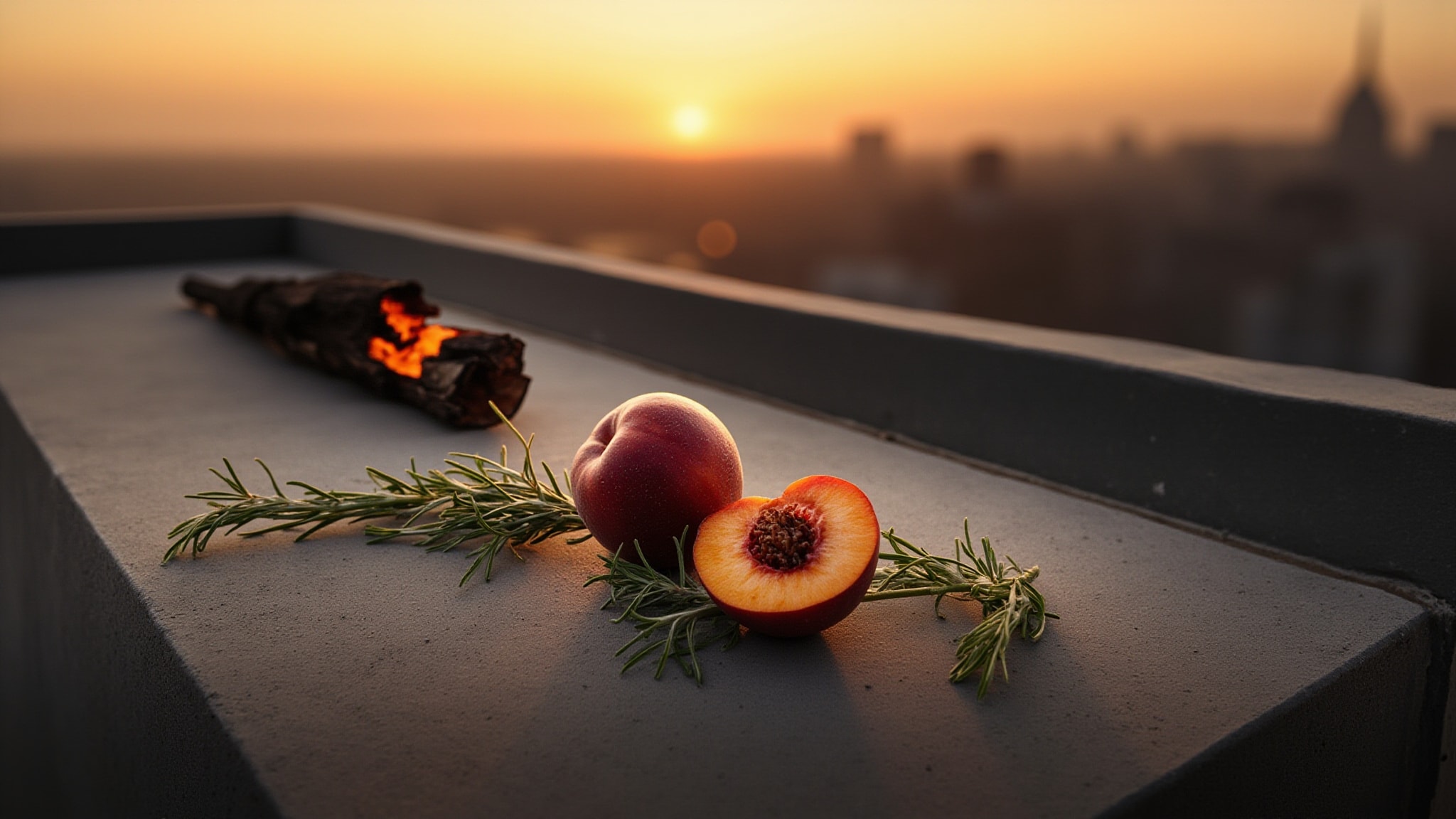
Peaches and Campfires began with a question that had no obvious answer: what happens when summer sweetness meets autumn heat? The name says it plainly, which suits Gallagher Fragrances, no elaborate mythology, no grand narrative. Just the collision of two scents that shouldn't belong to the same bottle, and the decision to let them find out anyway. Daniel Gallagher built the concept around contrast. Late-summer peaches, already softening on the branch. An evening fire that wasn't planned but became the whole point. The composition sits in that tension, not one or the other, but both, arriving in sequence. The fragrance doesn't resolve the paradox. It just lives in it. Released in 2016 as part of Gallagher's early output, this one arrived without fanfare and has since been discontinued, a quiet signal that independent perfumery sometimes makes exactly what it wants, then moves on. The concept came first. The audience found it when it found it.
What makes Peaches and Campfires structurally interesting is the positioning of its white florals. Jasmine and neroli sit directly inside the smoke, a composition choice that reads as almost defiant. Smoke, in most perfumery, attaches to woods, resins, leather. It does not typically cozy up to transparent florals. Here, the jasmine doesn't get buried or obscured. It pushes through the smoke slightly, giving the heart an unexpected transparency, like catching a floral note through haze rather than over it. Neroli reinforces that effect, adding a citrus-bright ghost that steadies the whole middle without competing with it.
The evolution
The opening is the gentlest part. Peach and blackcurrant arrive bright and clean, less orchard, more preserve jar. The blackcurrant leans tart, almost sharp for a moment, before both recede quietly. The smoke doesn't rush. It waits. Thirty minutes in, the herbs take over. Rosemary arrives crisp and slightly medicinal, cutting through whatever sweetness lingered. Oregano adds a green, almost savory edge. The smoke builds underneath, becoming less a campfire and more woodsmoke in general, the kind that clings to wool rather than cotton. Balsam fir gives it depth. Jasmine slips in at the edges, a faint sweetness that stops the smoke from going harsh. The drydown belongs to the woods. Cedar dominates, dry and slightly powdery. Sandalwood smooths it out, adding warmth without sweetness. Patchouli anchors everything into something earthy and resinous, and the saffron lingers as a faint spice underneath, not loud, just present. The smoke never fully disappears. It wraps around the cedar like embers that haven't quite gone out. On fabric, the smoke holds longest.
Cultural impact
Peaches and Campfires is the kind of fragrance that reveals something about how its wearer thinks. It isn't trying to please everyone, it's confident enough to lead with smoke, to let the sweetness earn its place in the drydown. That quality makes it a quiet cult item among collectors who track independent American perfumery and appreciate compositions that have a clear point of view. In a market flooded with safe orientals and crowd-pleasing florals, a fragrance that opens with fruit and ends at a bonfire has a way of filtering for exactly the right person. The discontinuation hasn't dulled its appeal, it may have sharpened it.