The Story
Why it exists.
The beginning
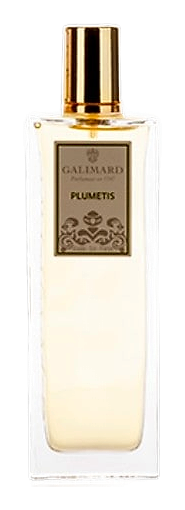
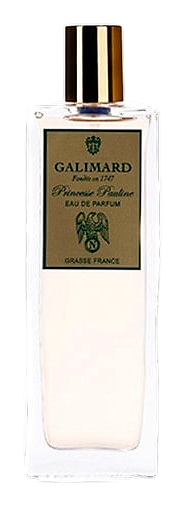
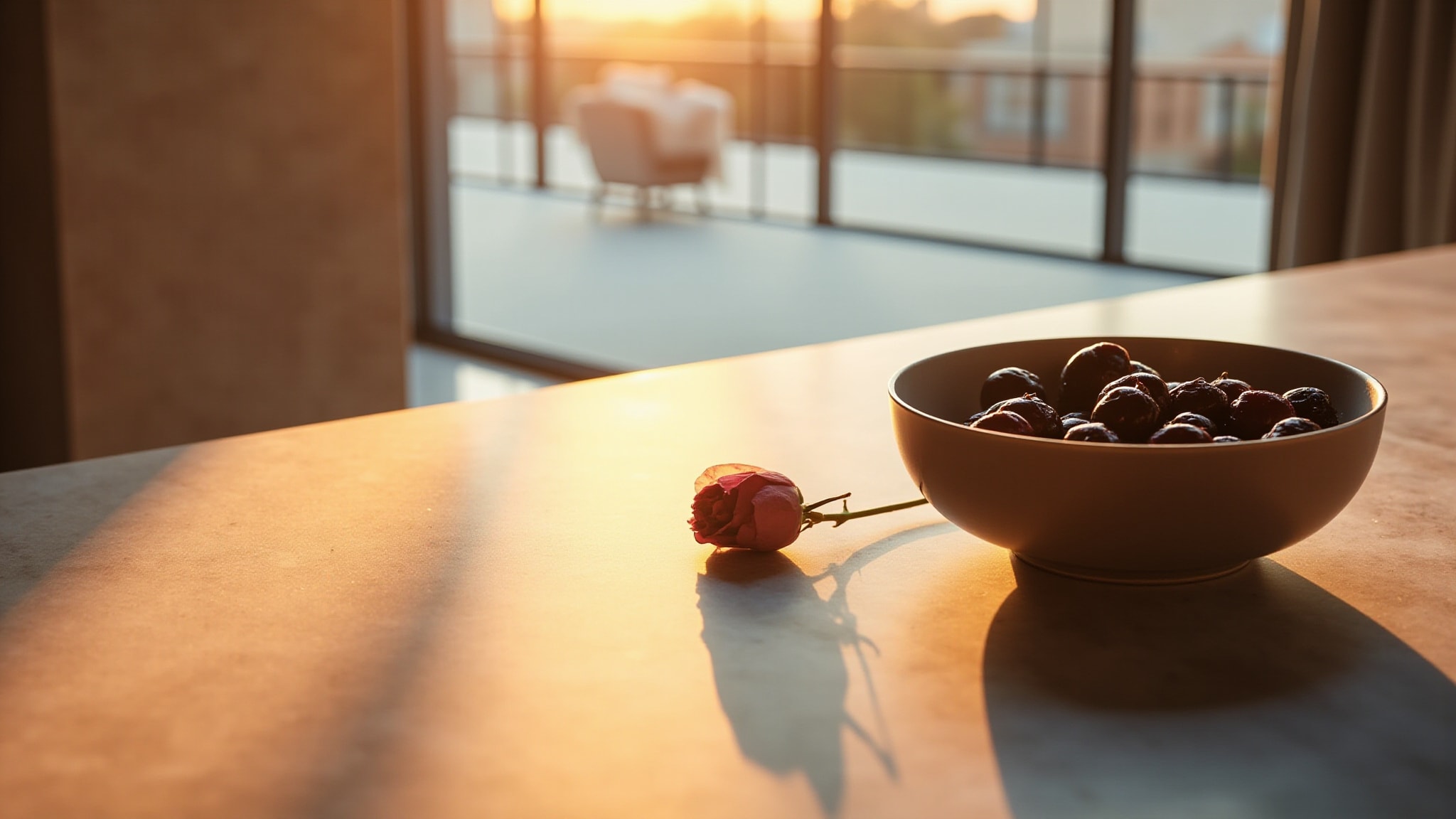
Princesse Pauline Borghèse was Napoleon's sister, famous for her beauty, and she spent the winter of 1807/1808 in Grasse. She returned often, until the fall of the Empire. A legend persists: she sat on a small throne carved into rock in the park that now bears her name. In 2015, perfumer Caroline de Boutiny created this fragrance as a direct tribute to that history. The name is not metaphorical. The house did not reach for an abstract idea of femininity. They reached for a specific woman who walked through Grasse and left something behind. The brand's own copy frames it plainly: at the top, Mediterranean air carries pink peppercorn and blackcurrant. The heart beats with the Rose of May, the most beautiful flower from Grasse, and a spicy geranium. The base softens with white musk and patchouli. This is Pauline Borghèse translated into scent.
The note structure is what makes Princesse Pauline unusual. A rose fragrance with chili pepper in the heart sounds like a contradiction, but Bourbon geranium makes it cohere. Geranium brings an aromatic, almost medicinal freshness that bridges the gap between the fruity top and the earthy base. Without it, the composition would be another rose with a peppery gimmick. With it, the structure holds. Blackcurrant in the opening does something similar. It gives the fragrance a sharp, almost tart quality that prevents the aquatic notes from reading as generic. Sea notes can smell like shower gel. Blackcurrant keeps them grounded, gives them weight. The combination is distinctive and specific to this fragrance.
The evolution
The opening arrives quickly: blackcurrant and pink pepper over aquatic notes. It smells like the moment you step outside on a cool morning near water. The berry is tart, not sweet. The pepper is soft, almost powdery. As the top notes settle, the geranium begins to make its presence known. The heart develops with rose at its center. Geranium brings an herbal lift, something between mint and lemon verbena, that keeps the rose from feeling heavy. The chili pepper is present but controlled, more of a warmth than a burn. This phase carries the fragrance through its most sustained period. The base arrives quietly. White musk softens everything. Patchouli adds depth without darkness. The rose never fully disappears. The drydown settles into a gentle close-to-the-body wear as the final hours arrive.
Cultural impact
Princesse Pauline occupies a notable position among rose-centered fragrances. The combination of rose, geranium, and chili pepper gives it a character that sets it apart from more straightforward rose compositions. The green-floral classification fits, though it undersells the complexity at the heart. The spicy geranium and the subtle heat of the chili pepper are what make this fragrance worth knowing. Galimard's heritage as a Grasse house shapes the composition's approach to these materials, bringing a particular sensibility to how the floral and herbal elements relate to each other and how the subtle spice integrates with the rose.