The Story
Why it exists.
The beginning
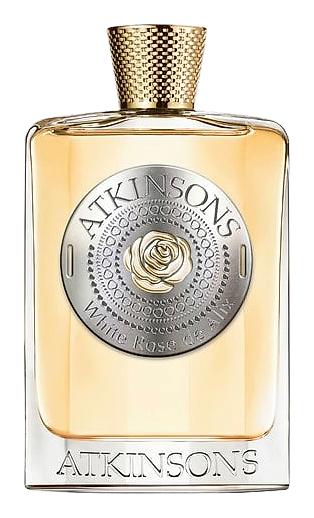
White Rose de Alix takes its name from Alexandra Feodorovna Romanova, born Alix of Hesse and of the Rhine, the last Russian empress who made the original 1860 Atkinsons White Rose her signature. She wore it seated beside the tsar, her bespoke bottle eventually finding its home in the Tsarskoe Selo Museum in St Petersburg. In 2018, Atkinsons called on perfumer Julie Pluchet to reincarnate that legend for contemporary wearers who understand that heritage is only interesting when it means something now.
Pluchet's reinterpretation keeps the structure that made the original legendary, a fruity opening, a florist's bouquet heart, a warm base that lingers, but loosens the formality. Where the 1860 version was courtly and precise, White Rose de Alix breathes. The lychee-raspberry top arrives crisp rather than sweet. The white rose sits alongside peony and freesia, never alone, never overpowering. The saffron doesn't shout; it warms from within. This is a rose that learned to laugh.
The evolution
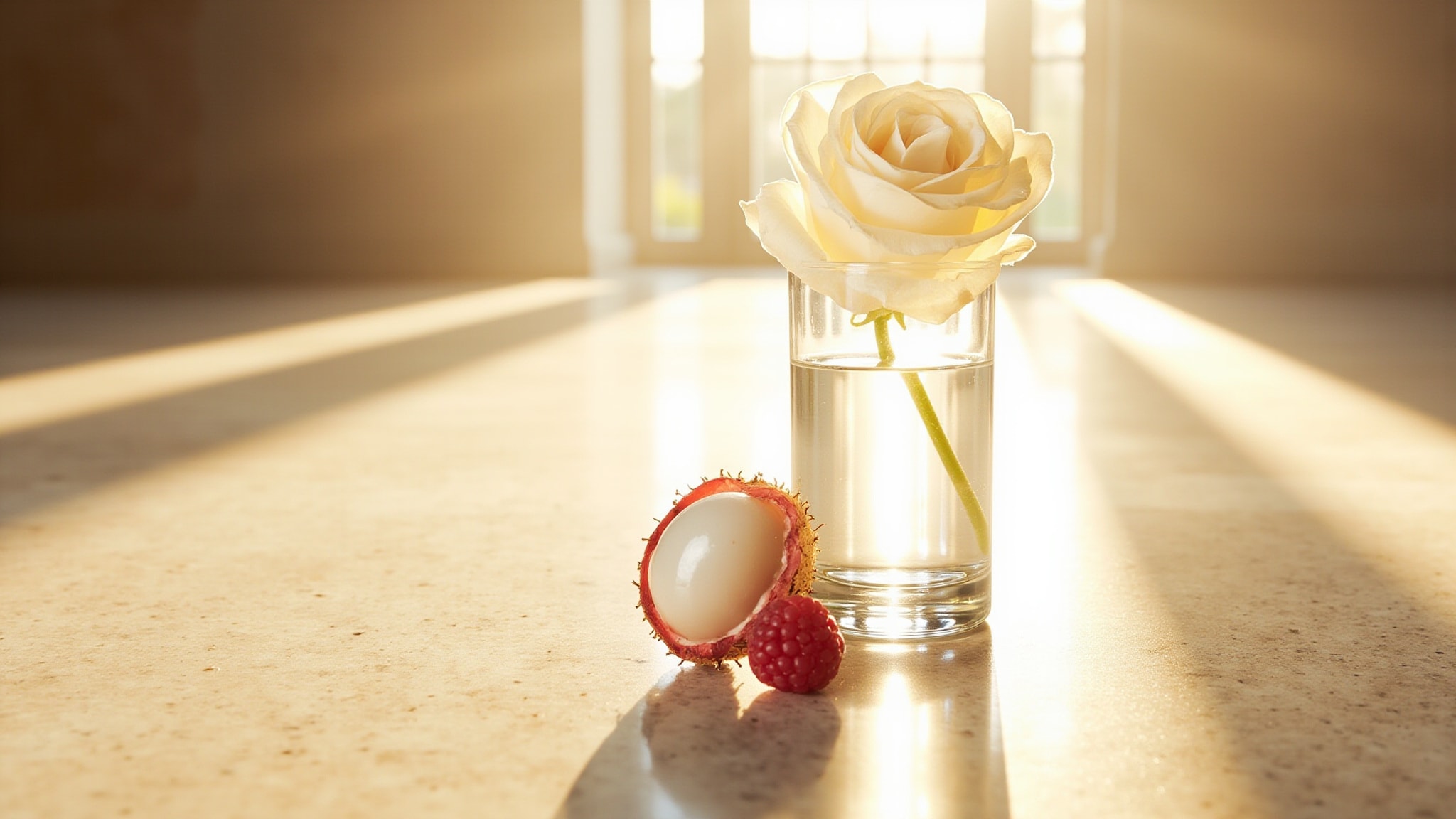
The opening hits bright, raspberry and lychee tumbling together, the lychee lending a translucent, almost dewy quality that reads clean without being cold. Within minutes the rose appears, but not alone. Peony and freesia arrive alongside, jasmine threading through to give the heart its body. The transition from fruit to flower feels seamless, the warmth of the saffron building rather than arriving. By the middle hour, the florals have softened to a garden transparency, peony lending a velvety weight that stops the whole thing from going soapy. Then the base arrives: white musk and vanilla form a cream, while patchouli and labdanum add an unexpected dusty resin that keeps the drydown from going saccharine. The sillage drops to intimate, this is a fragrance for someone standing beside you, not across the room. It holds for eight to ten hours, close to the skin, the kind of presence that requires proximity to discover.
Cultural impact
White Rose de Alix arrives within a broader revival of historic perfume houses reclaiming their archival legacies. Atkinsons, established in 1799, taps into consumer appetite for provenance and craftsmanship stories that justify premium positioning. The 2018 launch coincided with a market shift toward fruity-floral feminine fragrances, where brands like Byredo and Le Labo had already demonstrated strong appetite for heritage-adjacent luxury. The rose-fruity genre itself reflects broader cultural taste cycles, moving away from the unisex oud and amber trends of the early 2010s. By referencing Alexandra Feodorovna Romanova, the marketing taps into enduring fascination with Russian imperial history, though it stops short of explicit historical drama.