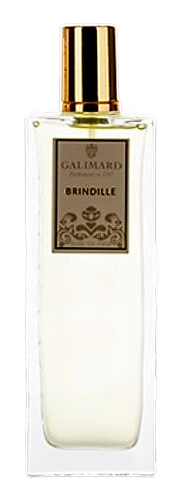
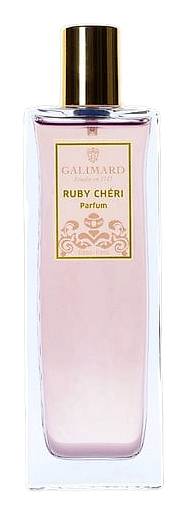
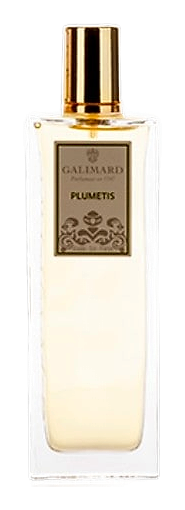
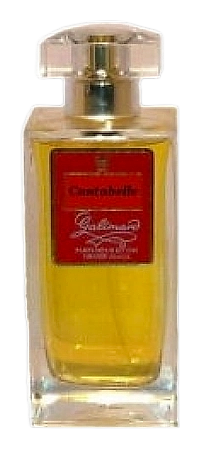
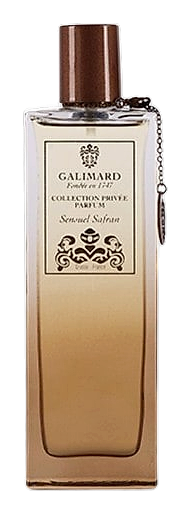
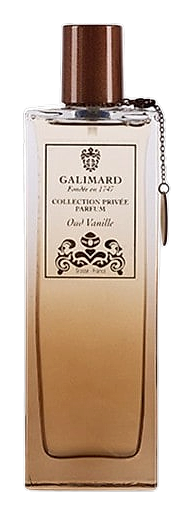
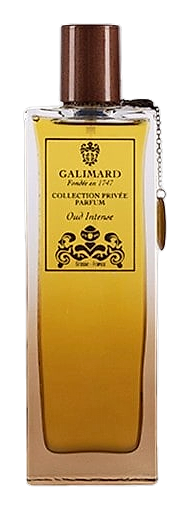
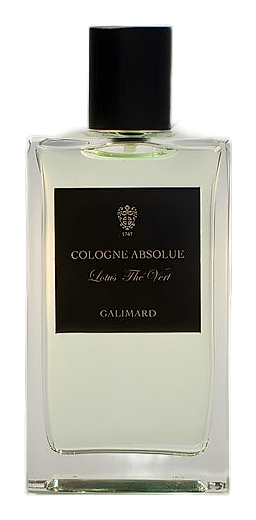
The Heritage
The Story of Galimard
Galimard sits in the heart of Grasse, the historic perfume capital of France. The house blends centuries‑old techniques with contemporary scent narratives, offering a portfolio that ranges from the citrus‑bright Verveine Agrumes (2021) to the floral‑rich Rose (2021). Visitors can step into a workshop, select raw ingredients, and watch a fragrance take shape in real time. Galimard’s presence feels like a quiet invitation to explore scent as a personal story, not a fleeting trend.
Heritage
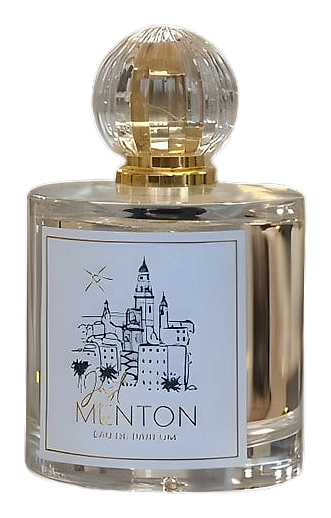
The story of Galimard begins in the mid‑18th century, when Jean de Galimard, lord of Séranon, joined the guild of glovers and perfumers in Grasse. Records from the period describe his early experiments with aromatic extracts, a practice that grew alongside the town’s famous leather tanneries. By the 1700s, Grasse had shifted from hides to blossoms, and the Galimard name became linked to the emerging perfume trade. In the 20th century, Joseph Roux revived the brand in 1950, naming his new manufacture after the historic figure of Jean de Galimard. Roux’s decision anchored the house in both memory and modernity, allowing it to claim a lineage that stretches back more than two centuries while operating as a contemporary business. Over the decades, Galimard opened its doors to the public, establishing a museum and a series of creative workshops that let amateurs and professionals alike formulate their own scents. The house celebrated its 250th anniversary in 1997 with a series of limited‑edition releases that referenced historic formulas. Recent milestones include the launch of Vanille in 2021, a tribute to the warm, gourmand side of French perfumery, and the introduction of Just Menton in 2023, a scent inspired by the coastal town that borders Grasse. Each chapter of Galimard’s timeline reflects a balance between preserving artisanal knowledge and embracing new olfactory ideas, a duality that continues to define the house today.
Craftsmanship
At the core of Galimard’s production lies a commitment to traditional methods. The house still operates copper distillation stills that date back to the 19th century, allowing it to extract essential oils from jasmine, rose, and citrus with minimal heat loss. Raw botanicals arrive from farms in the Grasse region, where growers employ hand‑pollination and low‑pesticide practices. After harvest, the materials undergo maceration or steam distillation, processes that the house monitors closely for temperature and duration to preserve volatile compounds. Once the aromatic extracts are blended, master perfumers let the mixtures mature in oak barrels for several months, a step that smooths sharp edges and deepens complexity. Quality control includes blind olfactory panels that evaluate each batch for consistency with the original formula. Bottles are hand‑filled in a climate‑controlled room, sealed with waxed corks, and labeled using a vintage‑inspired typeface. The house also maintains a small laboratory where experimental notes are archived, ensuring that each new fragrance builds on a documented lineage of scent chemistry.
Design Language
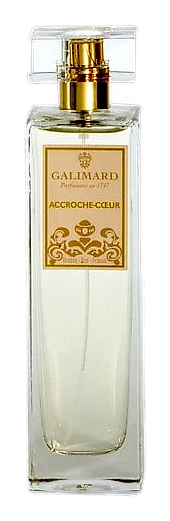
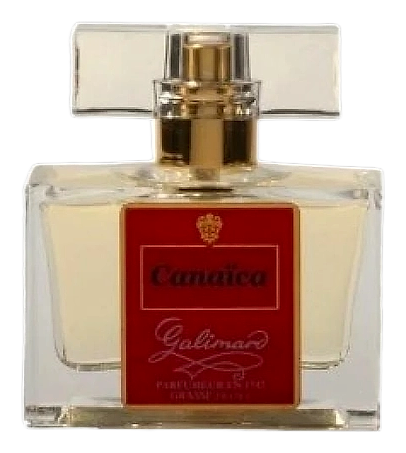
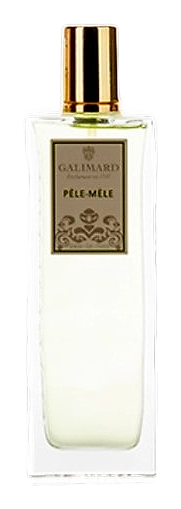
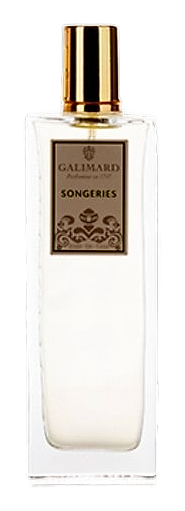
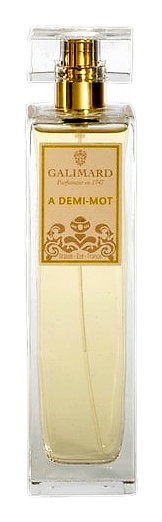
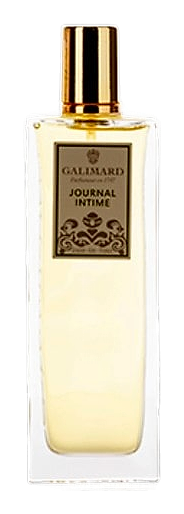
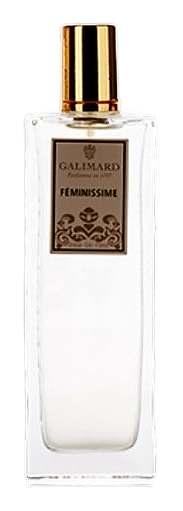
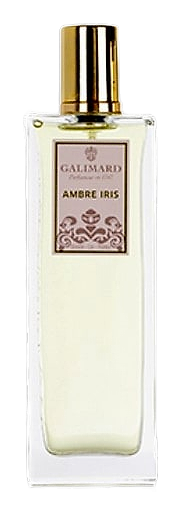
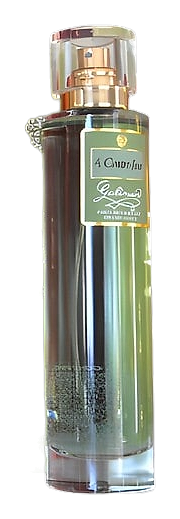
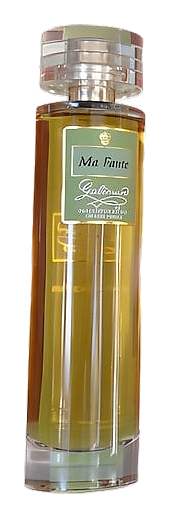
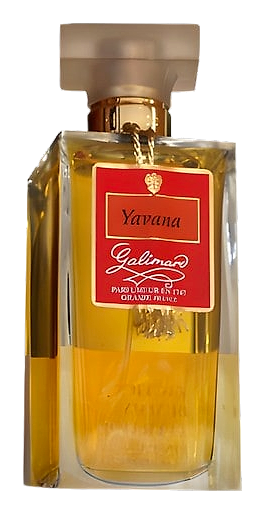
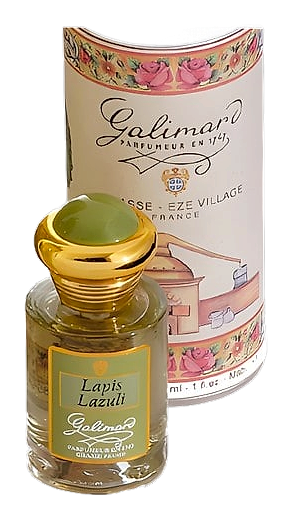
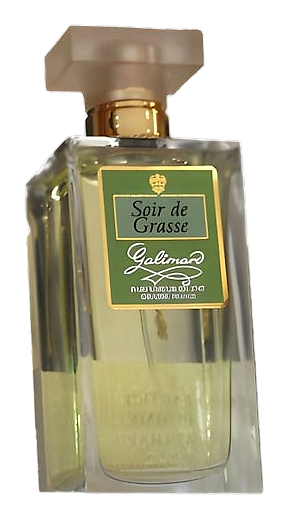
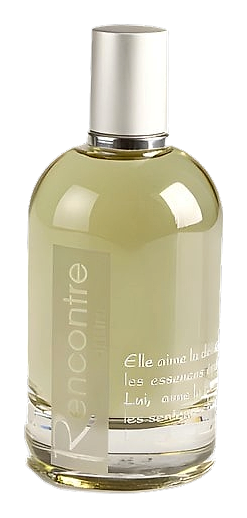
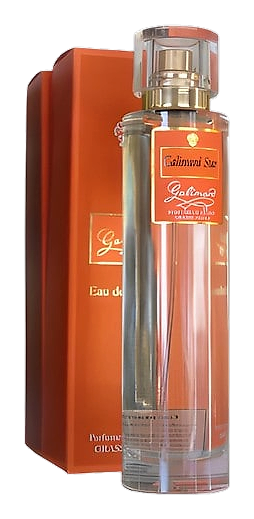
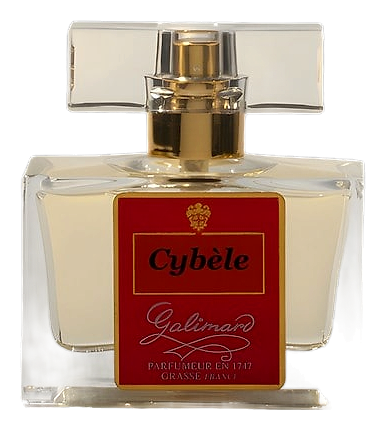
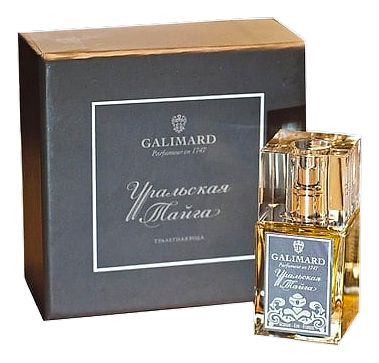
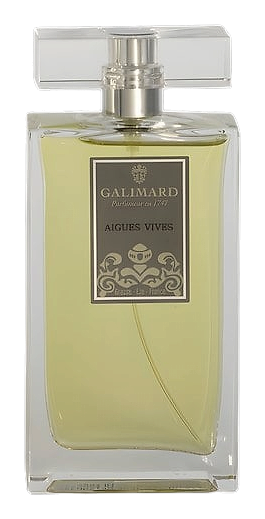
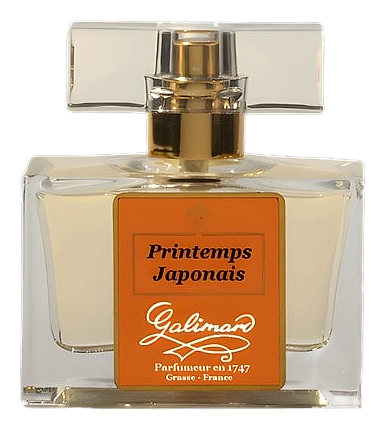
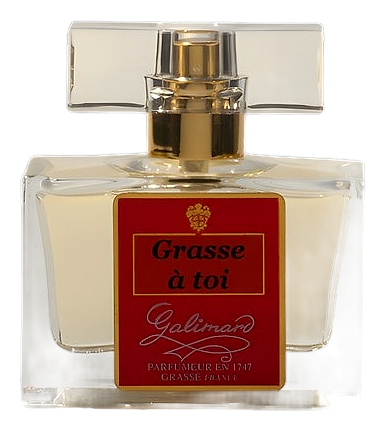
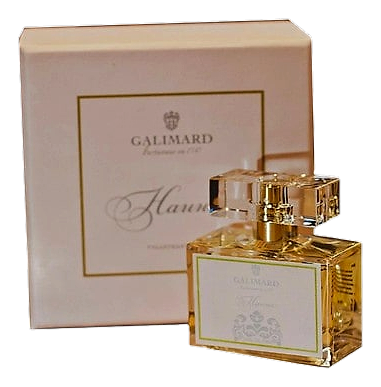
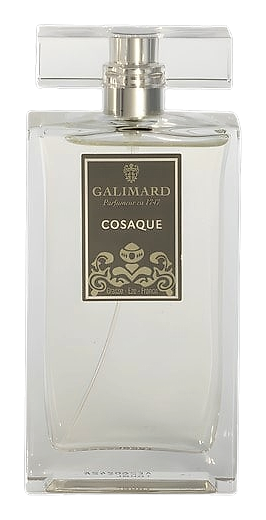
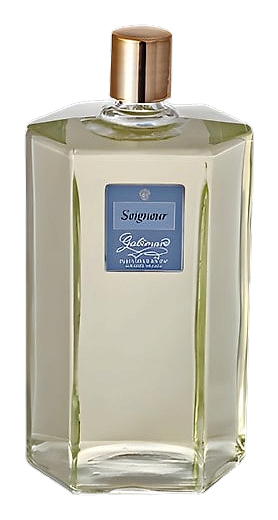
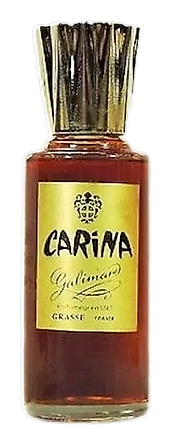
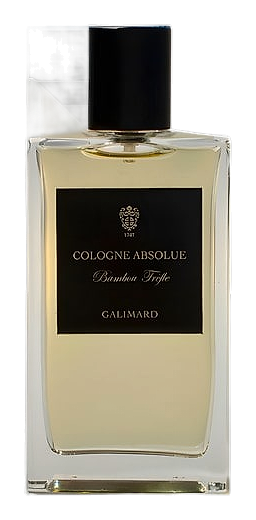
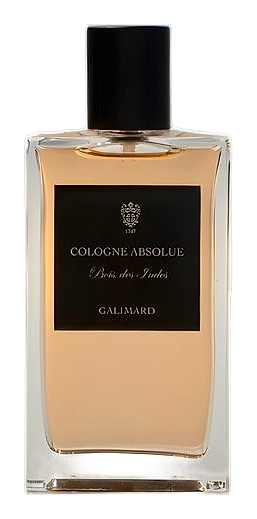
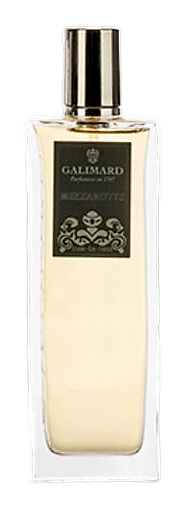
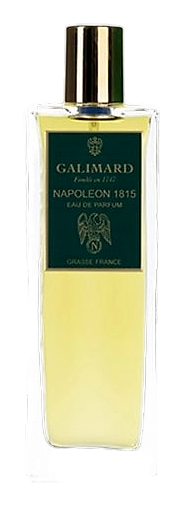
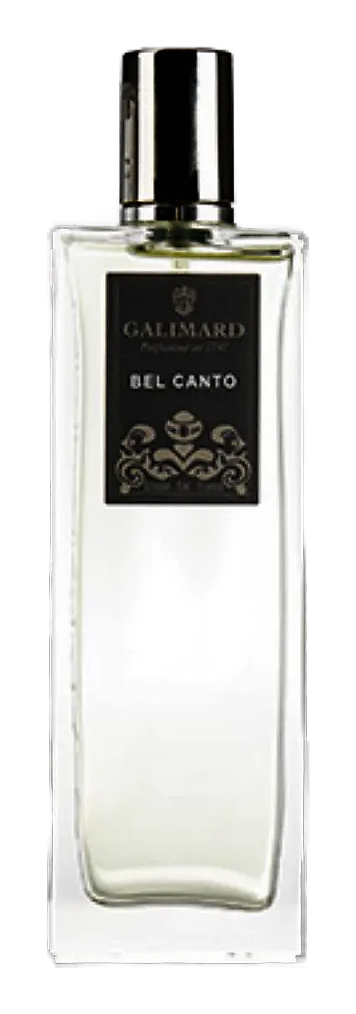
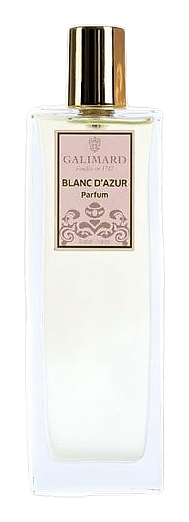
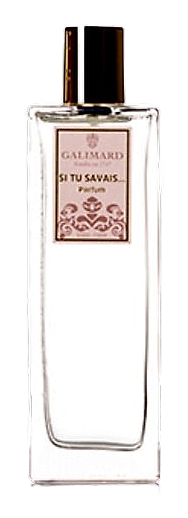
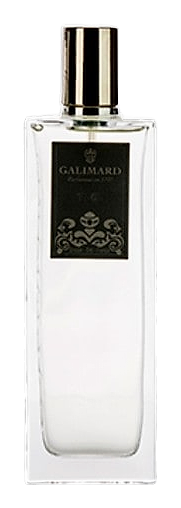
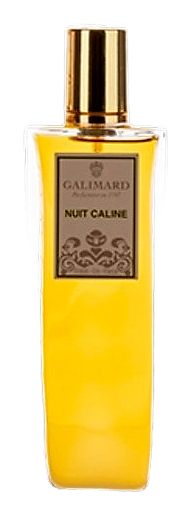
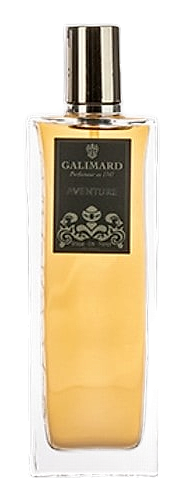
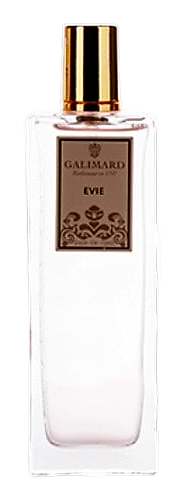
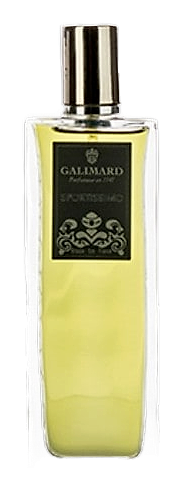
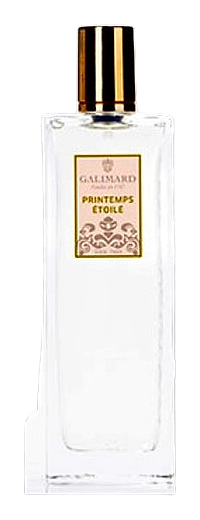
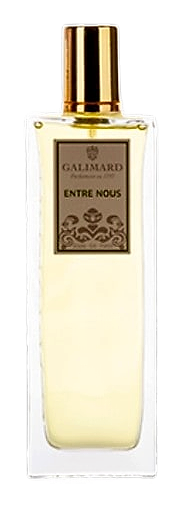
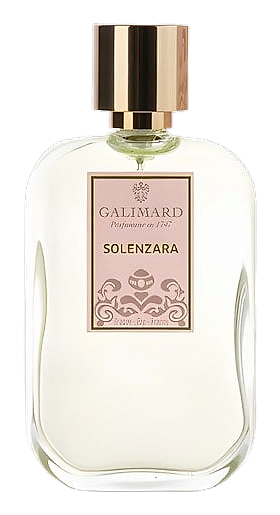
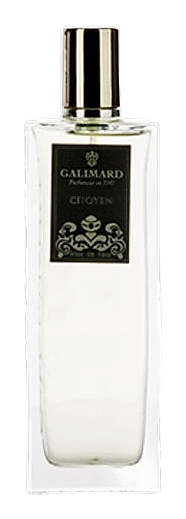
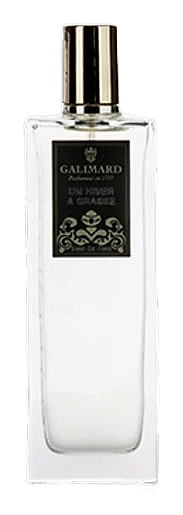
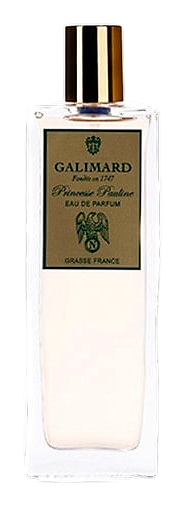
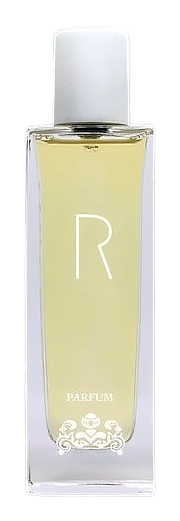
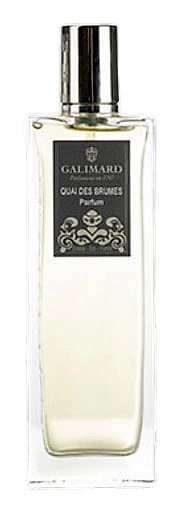
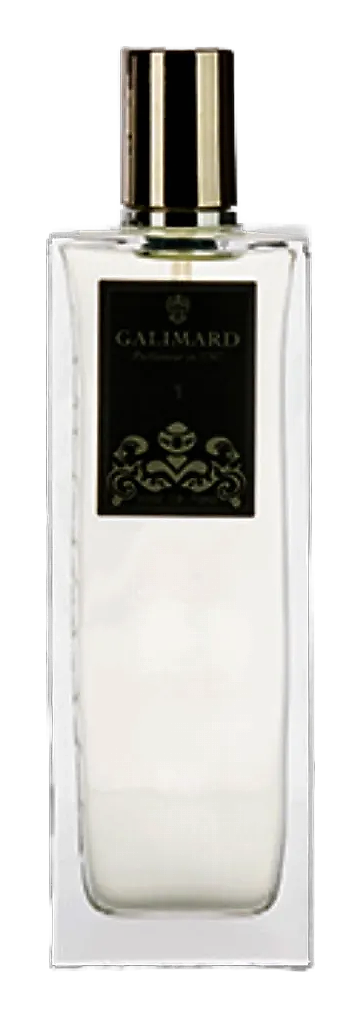
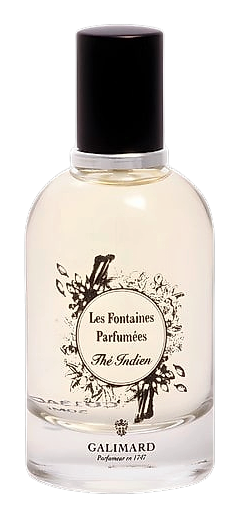
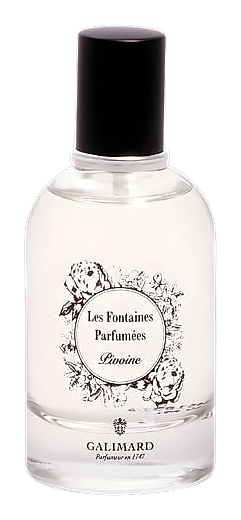
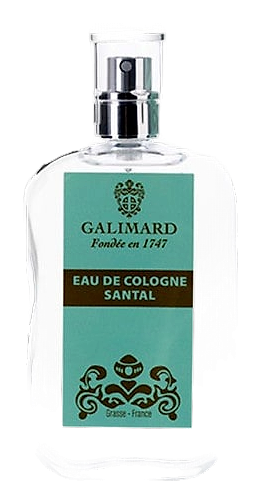
Visually, Galimard balances heritage and modernity. Its logo features a stylized fleur‑de‑lis paired with the year 1747, rendered in a serif font that evokes classic French signage. Bottle designs often employ clear glass with soft, rounded shoulders, allowing the perfume’s colour to become part of the visual story. Labels incorporate pastel hues—lavender for floral releases, amber for gourmand scents—and include hand‑drawn illustrations of the key ingredient, such as a rosebud or a vanilla pod. The packaging frequently includes a thin paper wrap printed with a subtle pattern of Grasse’s historic rooftops, a nod to the town’s architecture. In its boutiques, Galimard displays antique copper stills and vintage perfume bottles behind glass, creating a museum‑like atmosphere that reinforces the brand’s narrative of continuity. The overall aesthetic feels curated, inviting visitors to linger and explore the tactile and olfactory details that define each fragrance.
Philosophy
Galimard views perfume as a living archive of place and memory. The house emphasizes education, inviting guests to learn about raw material extraction, scent composition, and the cultural stories behind each note. Its workshops encourage participants to choose ingredients sourced from the Provençal landscape, reinforcing a belief that authenticity begins with the soil. Galimard also champions sustainability, favoring natural extracts over synthetic alternatives whenever possible and supporting local growers who practice organic cultivation. The brand’s communication avoids grandiose claims, instead highlighting the tactile experience of scent—how a single spritz can recall a summer garden or a quiet chapel. By framing fragrance as a personal dialogue rather than a status symbol, Galimard aims to make the art of perfumery accessible while honoring the meticulous craft that underpins every bottle.
Key Milestones
1747
Jean de Galimard creates early perfume formulas in Grasse, linking the family name to the emerging fragrance trade.
1950
Joseph Roux founds the modern Galimard house, naming it in tribute to the 18th‑century perfumer.
1997
Galimard celebrates its 250th anniversary with limited‑edition releases that reinterpret historic scents.
2005
The house opens its first public workshop, allowing visitors to blend their own fragrances.
2021
Launch of Vanille, a warm gourmand fragrance that highlights the house’s renewed focus on natural vanilla extracts.
2023
Introduction of Just Menton, inspired by the coastal town near Grasse, expanding the brand’s regional storytelling.
At a Glance
Brand profile snapshot
Origin
France
Collection
6
Fragrances released
Avg Rating
4.2
Community sentiment
Release Rhythm


