The Story
Why it exists.
The beginning
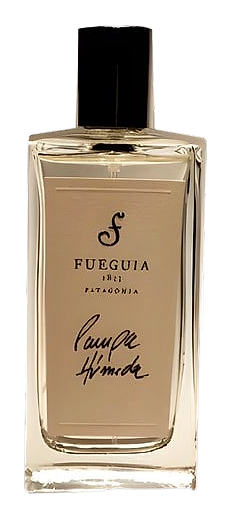
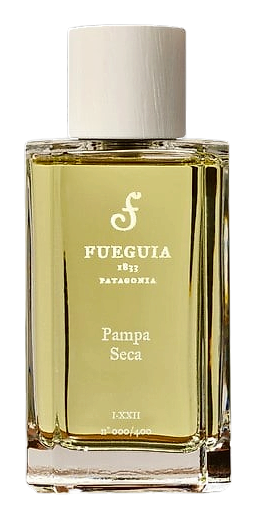
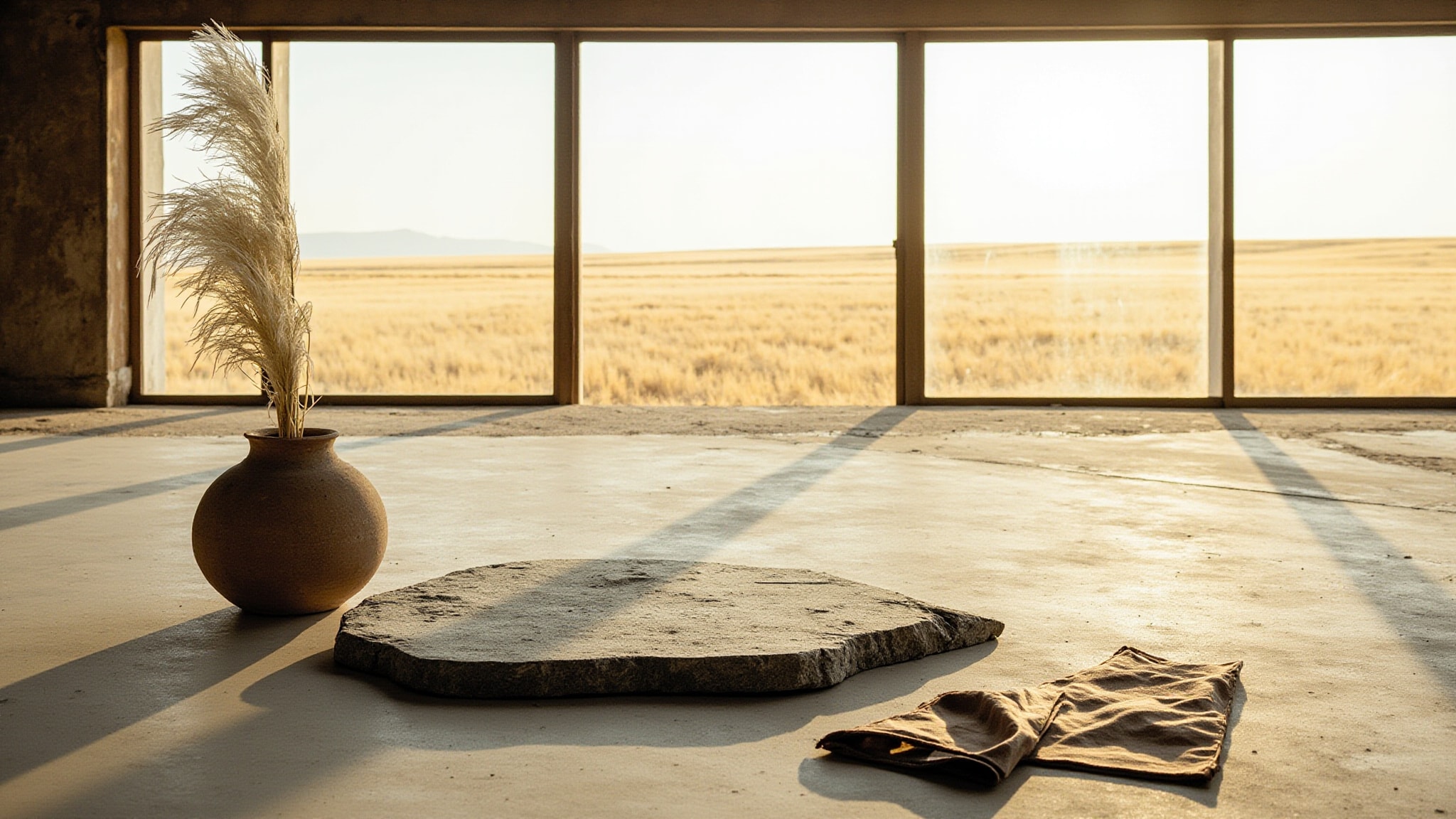
Julian Bedel created Pampa Seca as part of the Destinos collection, Fueguia 1833's ongoing cartography of Argentine landscapes. The Destinos line treats each fragrance as a record of a specific place, a coordinate on an olfactory map rather than an abstract composition. Pampa Seca maps the dry, windswept plains of North Patagonia, where eroded rocks give way to seas of pampas grass swaying in persistent wind. The name itself is the location: Pampa Seca, dry pampa, a landscape defined by its lack of moisture and its sharp, unbroken horizontality. Bedel wasn't interested in recreating a garden. He was interested in distilling the actual feeling of standing in that landscape, the chlorophyll fizzing in grass blades like carbon dioxide, the rustling of skinny mesquite trees losing themselves in the vastness, the bitter resins of thin branches in the dry air. This is field notes from the edge, not a fantasy of nature.
The Destinos collection is Fueguia 1833's way of working through Argentina's different territories, and Pampa Seca is the study of the dry plains specifically. The combination of pampas grass as the top note, unusual as a lead, with galbanum and lavender in the heart, anchored by cypress and cedar, creates something that doesn't soften as it develops. Most green fragrances pull toward garden softness at some point. This one doesn't. The galbanum keeps it sharp, medicinal, almost bitter, while the coniferous base holds the drydown close to the skin for hours. What makes it unusual is the restraint: no sweetness, no florals, no fruit. Just grass, resin, and wood, the actual aromatic vocabulary of that landscape.
The evolution
The opening is the wide-open feeling of pampas grass itself, not a single blade but the whole landscape, sun-bleached and unapologetically dry. A mineral edge cuts through the herbal warmth almost immediately, the kind of sharpness that recalls first light over open plains rather than any garden. Galbanum arrives in the heart with a green bitterness that doesn't apologize for itself. Medicinal. Alive. The lavender keeps it herbal but never soft. Together these two notes carry the fragrance for the middle hours, a green and dry aromatic pulse that feels closer to botanicals than to conventional perfume. The drydown is where cypress and cedar take over, not to soften but to anchor. The coniferous wood drydown holds close to the skin, a quiet conifer presence that lingers for hours without ever becoming sweet or animalic. What stays with you is the last bit of dry grass and conifer bark, close and intimate, the smell of open air that doesn't need you to notice it.
Cultural impact
Pampa Seca sits outside the conventional fragrance conversation. It's not trying to compete with mainstream luxury or commercial niche, it's botanical research in a bottle, a record of a specific landscape rather than a product designed to please. The Destinos collection, with its vintage-style presentation and hand-drawn botanical illustrations, frames these as records of place rather than conventional perfumes. For those who have encountered it, the fragrance reads as a quiet study, something that doesn't announce itself but stays close, becoming part of the wearer's environment rather than a statement they make.