The Story
Why it exists.
The beginning
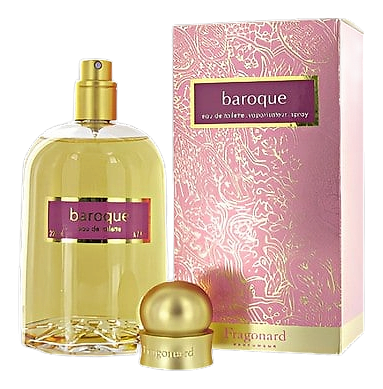
Baroque is an elegant floral built on Bulgarian rose and tea rose, ginger and saffron, settled into guaiac wood, vanilla, and musk. The name says it before you smell it. This is the kind of rose that wants to be looked at, not a whisper, not a suggestion, but a full, unhurried arrangement of petals and spice that doesn't ask permission to fill the room. The composition reads like a conversation between restraint and excess, with each accord pulling against the next. The ginger brings a sharp, almost metallic flicker that cuts the rose's lushness with something lean. Bergamot lifts the opening just enough to keep things from drowning in sweetness, a citrus peel tossed onto the arrangement to brighten the edges.
What makes Baroque worth a second look is the way it stacks two roses. Bulgarian rose brings the deep, jammy, almost wine-like richness. Tea rose adds a greener, cooler facet, the kind that smells like petals still on the stem. Most florals pick a lane. Fragonard ran both at once, then added ginger and saffron to keep the sweetness honest. The result isn't a soliflore with a twist. It's a deliberate argument between abundance and control, which is, when you think about it, exactly what the word Baroque means.
The evolution
The first hour is where Baroque announces itself. Bergamot opens briefly, a quick bright breath before the roses take over. Bulgarian rose and tea rose build together, thick and sweet, while ginger sparks underneath like static. This is the phase that divides people. Some sink in willingly. Others pull back. As the wear continues, something shifts. The roses don't vanish. They deepen, but the guaiac wood starts pushing forward, smoky and dry, almost like a fireplace that was lit hours ago. Vanilla softens the edges. Musk settles everything into skin. Eventually, you're wearing something closer to a warm, woody skin scent with the memory of rose still clinging to it, a shadow of the opening that refuses to fully disappear. The base holds like a quiet hum long after the top notes have stepped away.
Cultural impact
Baroque wears like a favorite pulled from a grandmother's vanity: uncool in the best way. It asks nothing of current trends and refuses to perform for them. Collectors who know it tend to hoard it. The discontinuation made that worse, turning what was once a quiet staple into something people trade tips about. For the wearer, it reads less like a fashion choice and more like a private habit, the kind of scent that stays on a dressing table for years and gets reached for without thinking. There's an intimacy to wearing a discontinued fragrance. You stop choosing it for anyone else.