
The Story
Why it exists.
The beginning
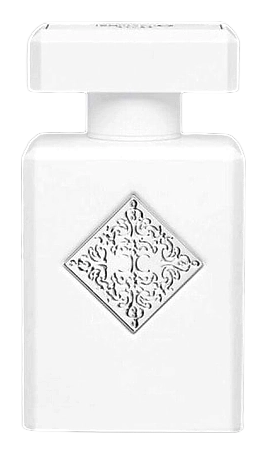
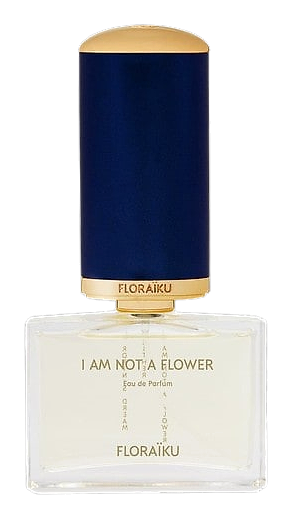
I Am Not a Flower is a negation. A rejection of the expected path. Aliénor Massenet built it as a counter-statement: no gentle bloom, no soft petal descent into sweetness. Instead, the composition opens with ginger and coriander, bright and almost confrontational, before moving into amber and rose that refuse to soften. The amber arrives warm and resinous, while the rose carries a sharp, almost metallic edge rather than any delicate floral softness. Ylang-ylang hovers in the heart but never surrenders its usual sweetness. The title is the message. The fragrance is the proof.
What makes this structure unusual is the way the heart notes resist their own delicacy. Rose and ylang-ylang appear in the pyramid, but they're deployed against a backdrop of labdanum absolute and patchouli, materials that add weight rather than air. A green nuance reads more mineral than floral, interrupting the expected softness with something earthier and more grounded. The composition never offers the expected comfort of a floral drydown. Sandalwood and vetiver carry the base into resinous, woody territory that lingers close to the skin for hours after the opening has faded.
The evolution
The opening announces itself with ginger's clean heat and coriander's green spice, bright and assertive, then yielding to the heart. Amber takes over, warm and resinous, joined by rose and ylang-ylang that arrive but refuse to perform their usual sweetness. The hand-off is the tell: instead of the fragrance softening as it dries, the resins and woods deepen. Labdanum absolute and patchouli build density, creating a rich, almost tactile presence. Sandalwood provides the warmth while vetiver grounds everything with an earthy, mineral finish. The drydown settles close and intimate, the resins hold their structure, the woods persist, and the refusal to be delicate becomes the lasting statement.
Cultural impact
I Am Not a Flower occupies an amber-woody space that challenges conventional fragrance expectations. The composition appeals to those seeking unconventional narratives, structures that refuse the expected arc in favor of something denser, warmer, and more insistent. It represents a deliberate departure from delicate floral conventions, offering instead a sensory experience built on confrontation and refusal.