The Story
Why it exists.
The beginning
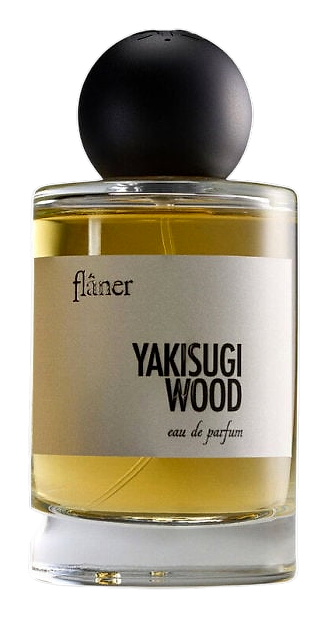
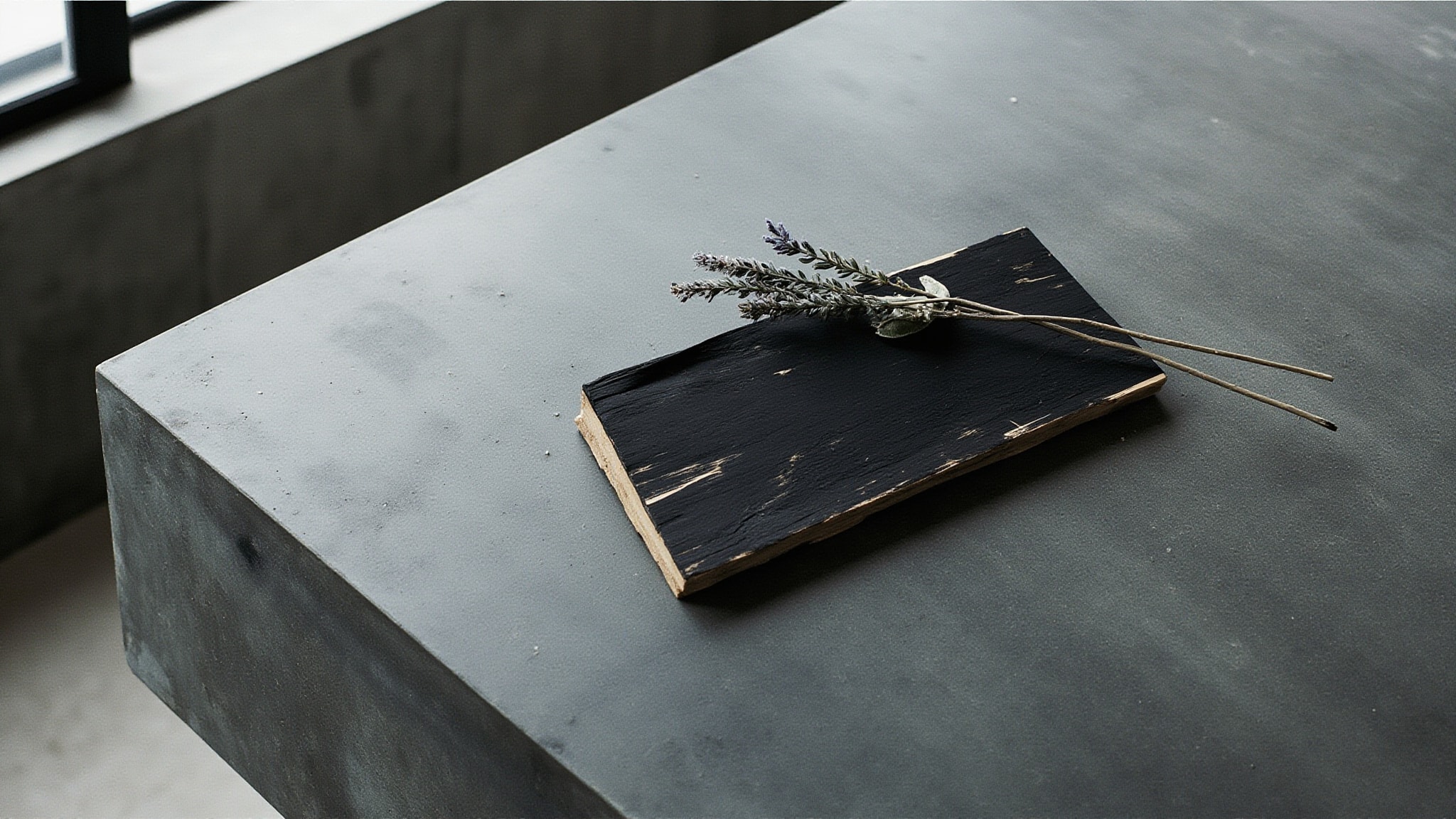
Yakisugi Wood takes its name from an old Japanese preservation technique: charring (yaki) cypress (sugi) with fire to weatherproof the timber. The practice has roots in rugged, practical building work, and it works by transforming pale raw timber into a darker, more durable material. Flâner, the house behind the composition, built Yakisugi Wood around the moment wood meets flame. The fragrance was launched in 2022, with perfumer Ivan Alemany constructing a composition around that act of transformation: resin, smoke, and aromatic green stacked against deep, dry cedar.
What makes the structure interesting is the counterweight between fresh and burnt. Lavender and sage keep the top cool and alive, almost medicinal in their clarity, a clean herbal entry that refuses to read as sweet. Then elemi resin, a close botanical cousin to frankincense, pulls the composition toward something warmer and more resinous, bridging the green opening with the smoky heart. The heart uses blue cypress, a material that carries its own character without literal smoke, and teakwood, which adds a dry grain to the structure.
The evolution
The first thirty minutes belong to elemi and lavender, sharp and green, the kind of opening that cuts through a room before settling into something quieter. Sage rounds the edges, and angelica root adds a peppery warmth that softens the herbal top. By the two-hour mark, the smoke arrives, not aggressive, more like incense smoke drifting from somewhere unseen. Blue cypress and teakwood build the body, woody and slightly balsamic, replacing the opening's brightness with something denser. The base settles into frankincense, cedarwood, and a thread of tobacco that never gets sweet. Vetiver grounds the whole composition, dry and earthy, pulling the smoke back down into something mineral and rooted. The drydown leans heavily on cedarwood and frankincense, with the tobacco reading more as a leaf-dark warmth than anything gourmand. The smoke is what disappears last. Always the smoke.
Cultural impact
Yakisugi Wood sits within Flâner's broader project of translating environment into scent, in this case, a Japanese wood-preservation technique rendered through blue cypress and a perfumer's structural sensibility. Wearers describe it as the kind of fragrance that reads as quiet and considered rather than loud or trend-driven, something that holds its shape across a workday without announcing itself. It appeals to people who want smoke without sweetness, wood without syrup, a composition that stays architectural from the first spritz to the final hours on skin.
The House
flânerFlâner is a niche fragrance house founded in Australia by Andrew Hardeman and Mary Fox. The brand creates scents inspired by urban landscapes, translating the sensory experience of city wandering into wearable perfumes. Each fragrance in their collection draws from diverse olfactive families, offering wearers a olfactory journey through metropolitan environments. The name derives from the French concept of flânerie, the art of purposeless urban wandering, and the brand's philosophy centers on slowing down in an accelerating world. Flâner opened its first physical location as a pop-up on Gertrude Street in Melbourne before establishing a flagship store in Fitzroy.
The Creator
Ivan AlemanyHis signature moves toward the green and the edible in ways that venture well past conventional fresh fragrance territory. Tomato leaf surfaces repeatedly in descriptions of his work, paired with citrus in one instance and described as fresh with lightly powdered undertones in…