The Story
Why it exists.
The beginning
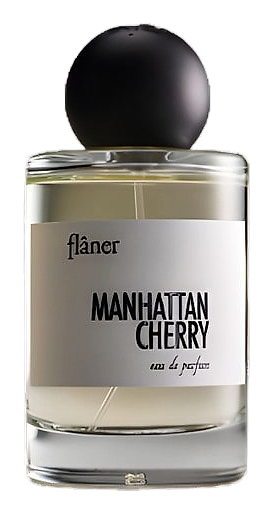
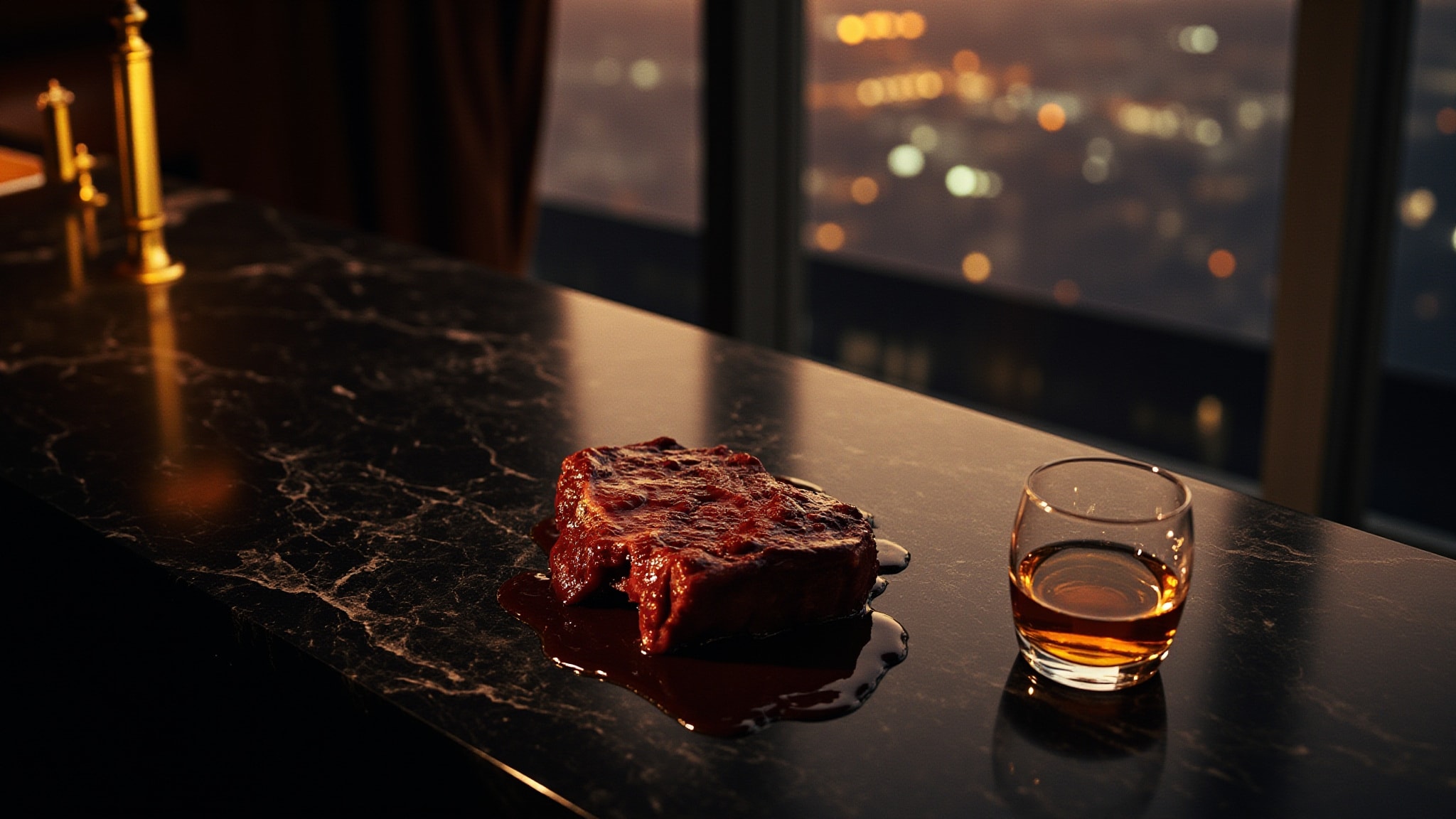
Manhattan Cherry began with a question: what does a speakeasy smell like? Not the tourist version, but the real one, down a laneway stairwell, where the air is bourbon and old wood and something sweeter you've learned not to name. The goal was to bottle that feeling, the specific warmth of a room that doesn't want to be found. The composition was built around a Manhattan cocktail's structure, the bright cherry of the garnish, the bittersweet vermouth, the warmth of good whiskey, then stretched into something that lasts past last orders. The name is the brief.
What makes this work is the tension. Maraschino cherry is sweet, even playful, but it's held in check from the first breath by red vermouth, bitter, botanical, grown-up. That balance carries through the heart, where bourbon whiskey could easily tip into dessert territory, but cinnamon and ginger keep it warm rather than sugary. The drydown is where the composition earns its keep. Amberwood, leather, tobacco, these are not polite notes. They're the ones that stay on your skin the next morning, faint and familiar, like evidence of a good night.
The evolution
The opening arrives quickly. Maraschino cherry, bright and almost lacquered, then the vermouth cuts through like a match strike, bitter, unexpected, alive. Orange peel follows, cleaning the sweetness before it can settle. You've got five minutes of something that smells like a just-made cocktail. Then bourbon arrives. Not harsh. Not sweet. Just warm, the way a room gets warm when the door stays closed. Cinnamon and ginger build slowly, adding heat without fire. The drydown is where this fragrance earns its name. Leather and tobacco don't arrive all at once, they settle in over the last hour, replacing the sweetness with something deeper, closer to skin. By hour four, you're left with vanilla and amberwood, faint and intimate. The kind of sillage that only the people beside you will notice. That's the point.
Cultural impact
The Manhattan cocktail itself emerged from New York's Gilded Age, and fragrance houses have long borrowed its iconography. Flâner's interpretation draws on this legacy, connecting the scent to a familiar cultural touchstone. The drink's blend of sweet, bitter, and boozy maps directly onto the fragrance pyramid, creating a structure that feels both recognizable and distinctive. By grounding the scent in an iconic cocktail, the fragrance carries a ready-made cultural resonance that requires no explanation.