Red Vermouth
Red Vermouth brings an intoxicating blend of bitter herbs, aged wine depth, and warm spice to fragrance. This Turin-born aromatized wine lends perfumers a uniquely complex backbone that is simultaneously medicinal, sweet, and deeply aromatic.

Character
How it smells
Bitter herbs meet aged wine in aromatic perfection.
The name 'Vermouth' derives from the German word Wermut, meaning wormwood, the intensely bitter herb at its botanical heart.






Origin
Italy
Vermouth traces its roots to 18th-century Turin, where Piedmontese winemakers began aromatizing their wines with local botanicals. The city at 45.
0703 north latitude became the spiritual home of Red Vermouth, with the Carpano house establishing the style in the 1780s. However, bitter herbal wine predates this, echoing traditions from ancient Egypt and Greece where medicinal wines infused with wormwood, gentian, and other bitter herbs served both healing and ritual purposes.
Wormwood itself carried cultural weight across Europe, associated with protection and purification. The Turin tradition refined these ancient practices into a sophisticated aperitif, and perfumers later adopted its complex botanical language to add herbaceous depth and bitter-sweet tension to fragrance compositions.
Wears it best
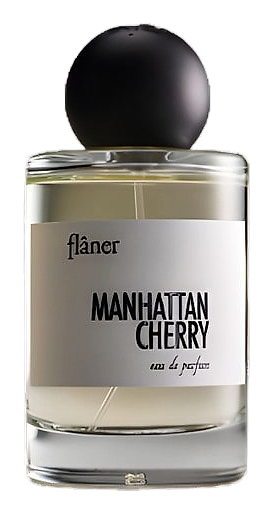
Fragrances featuring Red Vermouth
Brands
Brands known for Red Vermouth
Good to know
Questions, answered
The essentials on Red Vermouth in perfumery: how it smells, where it comes from, and how it behaves on skin.
What does Red Vermouth smell like in perfume?
Red Vermouth reads as a complex bitter-herbal scent with wine-like depth, warm spice, and subtle sweetness. It combines wormwood's camphoraceous bite with gentian's mineral bitterness and a vinous base reminiscent of aged fortified wine.
Is Red Vermouth an actual ingredient or a fragrance accord?
In most fragrances, Red Vermouth functions as a perfumer's accord that blends wormwood, gentian, and spice materials to replicate the drink's aroma. True vermouth tinctures appear occasionally in niche artisan perfumery.
Which perfumers commonly use Red Vermouth notes?
Red Vermouth appears in several niche fragrances, particularly those exploring bitter-herbal or amaro-inspired themes. Brands working in the aromatic fougere and oriental categories tend to incorporate this note most frequently.
How does Red Vermouth differ from Absinthe in fragrance?
Absinthe emphasizes sharp, anise-forward green notes and high thujone intensity. Red Vermouth adds a wine-like sweetness and broader spice complexity, making it warmer and more multidimensional than the sharper absinthe profile.
What fragrance families pair well with Red Vermouth?
Red Vermouth integrates naturally with aromatic, woody, and leather fragrance families. It also supports oriental compositions by adding herbal contrast to sweet base notes, and it anchors fougeres with its bitter-green depth.
Where does vermouth originate as a beverage?
Aromatized wine dates to ancient civilizations, but commercial Red Vermouth was codified in Turin, Italy around the late 18th century. The Piedmontese city remains the style's benchmark origin.
Does wormwood cause safety concerns in fragrance use?
Wormwood oil contains thujone, which perfumers regulate carefully. fragrance concentrations use trace amounts well below thresholds of concern, following IFRA guidelines for safe usage.
Why do perfumers choose Red Vermouth over single-note bitter ingredients?
Red Vermouth offers a pre-blended complexity that would require multiple ingredients to recreate. Its bitter-herbal-wine character provides immediate depth and an associative narrative quality that single botanicals cannot match.





