Maraschino Cherry
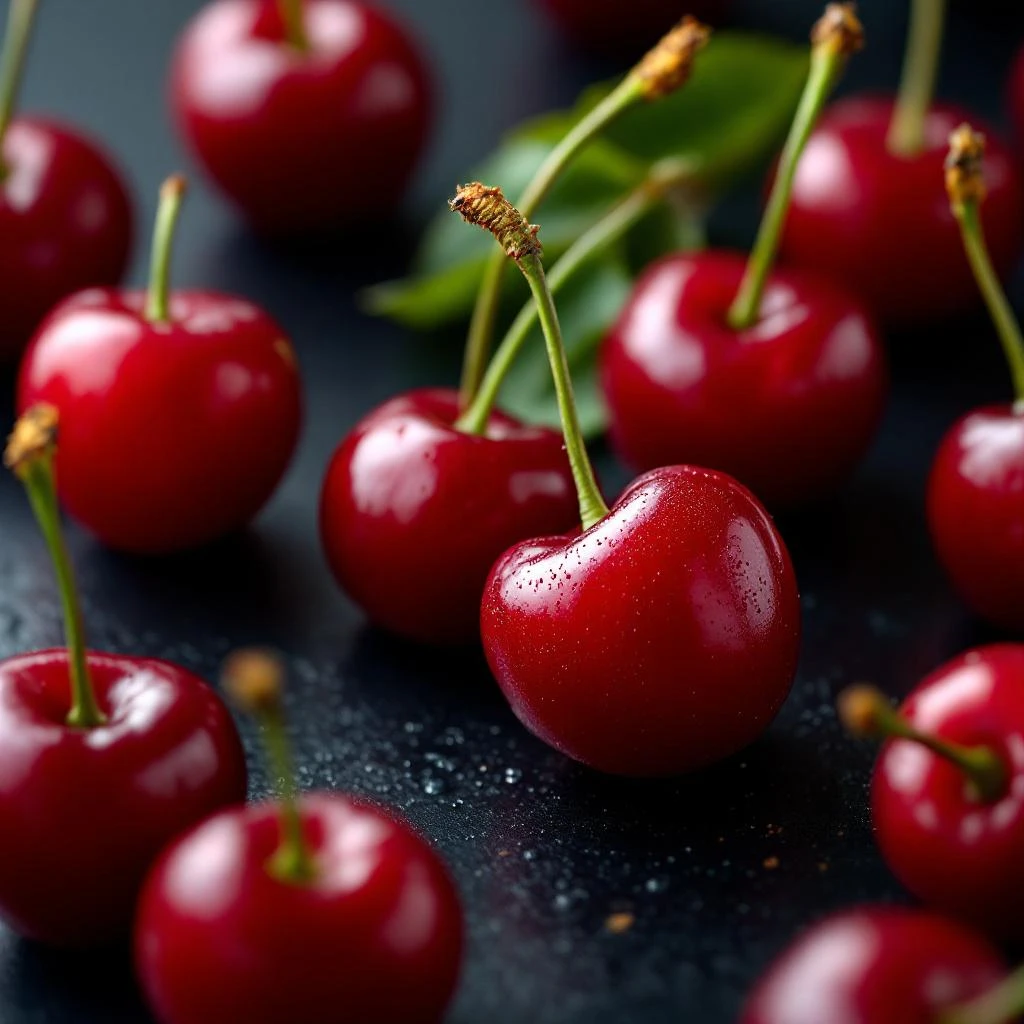
The bright, candied cherry found in perfume is inspired by maraschino cherries, those glossy red fruits crowding dessert menus and drink garnishes. In fragrance, the note captures their sweet, syrupy nostalgia using benzaldehyde, the aromatic compound that gives natural cherries their signature scent. Real cherry fruit does not yield perfume materials, so perfumers recreate this beloved aroma from botanical sources.
Character
How it smells
Bright candy-cherry that turns perfume playful
The word maraschino comes from the marasca cherry, native to Dalmatia along Croatia’s Adriatic coast.



Origin
Croatia
The maraschino cherry traces its roots to medieval Europe, where people preserved sour cherries in a brine of water and salt to survive harsh winters. The name itself comes from the marasca cherry, native to Dalmatia along the Adriatic coast of what is now Croatia. Local distillers there crafted maraschino liqueur from the marasca, a small, intensely flavored fruit. The Luxardo family established their renowned distillery in the Italian province of Zara, producing the liqueur that defined authentic maraschino for centuries.
In the 1920s, American cocktails demanded a sweeter, brighter cherry. Oregon State University professor Ernest Wiegand spent six years during Prohibition developing the modern maraschino cherry, replacing the traditional liqueur with sugar and vivid food coloring. The result looked nothing like its European ancestor but became the cherry perched on ice cream sundaes and dunked in Manhattans worldwide. Today, perfumers draw on the same aromatic logic, creating the maraschino cherry note from botanical compounds that echo the sweet, nostalgic character of that striped glass jar.
Wears it best
Fragrances featuring Maraschino Cherry
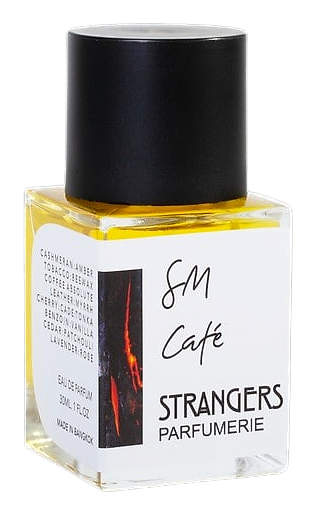
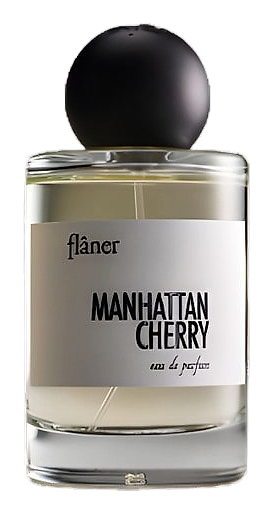
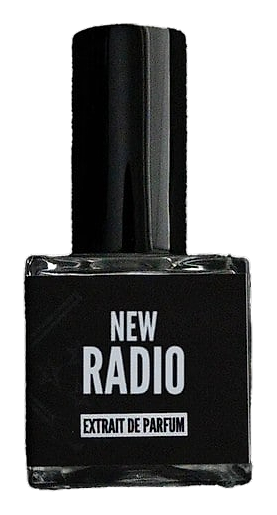
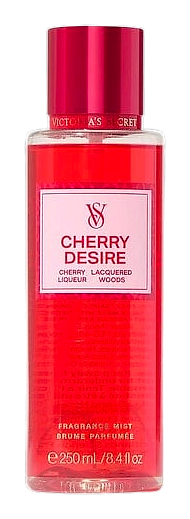
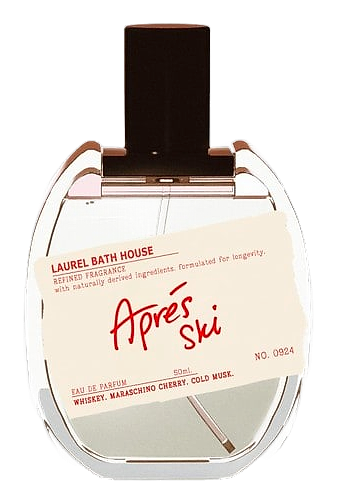
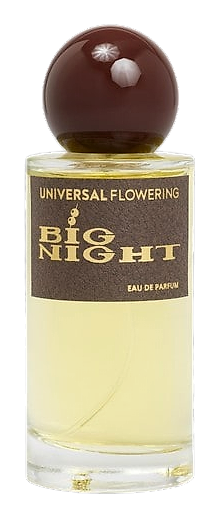
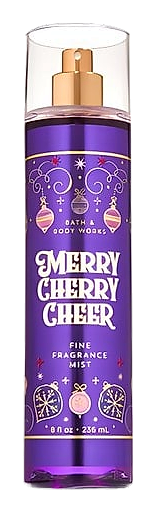
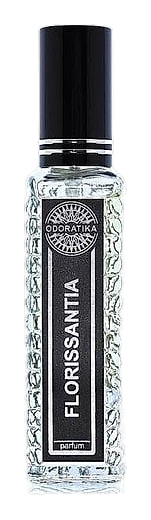


Brands
Brands known for Maraschino Cherry
Good to know
Questions, answered
The essentials on Maraschino Cherry in perfumery: how it smells, where it comes from, and how it behaves on skin.
Is maraschino cherry a natural or synthetic ingredient in perfume?
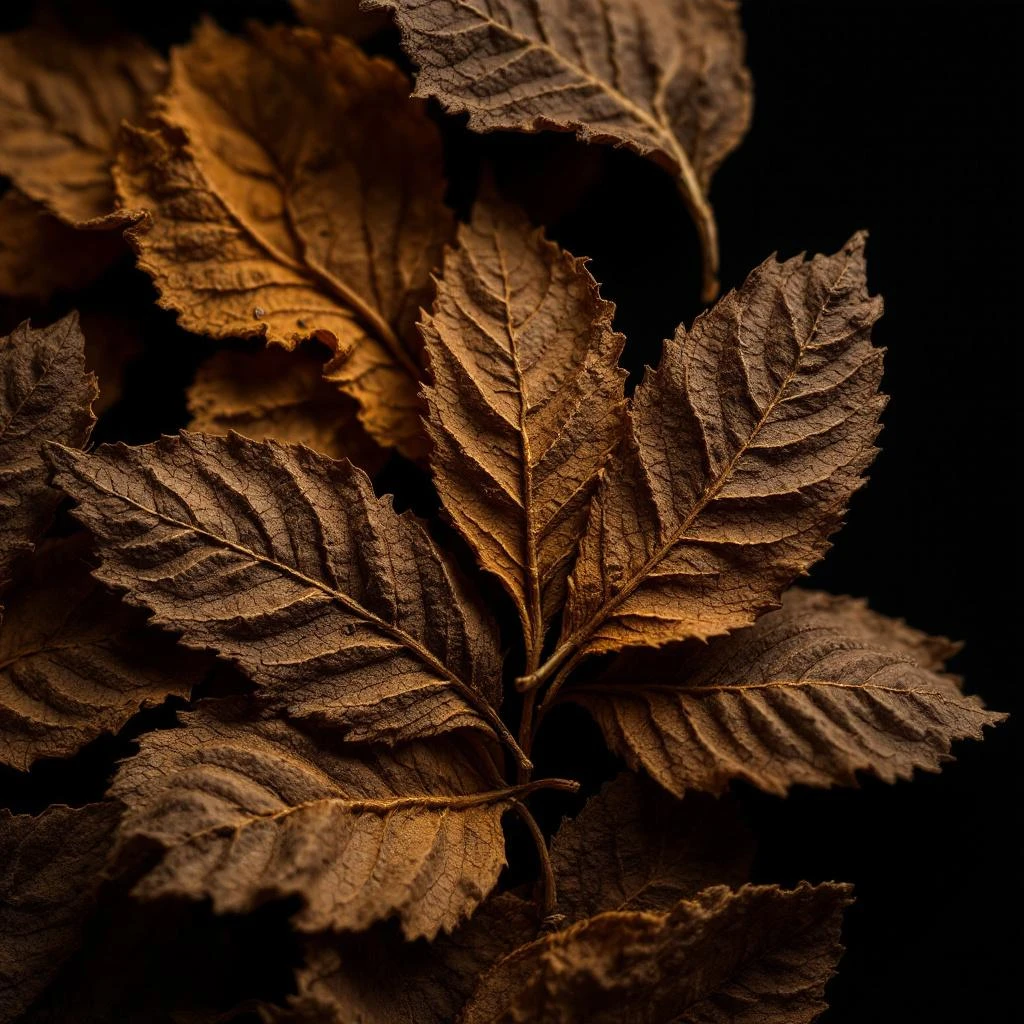
It is synthesized. No natural extraction from cherry fruit exists in perfumery. Perfumers obtain the key compound, benzaldehyde, from botanical sources like cherry laurel leaves or bitter almonds.
How does maraschino cherry differ from fresh cherry in fragrance?
The maraschino cherry note is sweeter and more candied, evoking the syrupy brightness of preserved cherries. Fresh cherry in perfume tends toward darker, tart, slightly jammy qualities.
What compound creates the maraschino cherry aroma in perfume?
Benzaldehyde is the primary compound, responsible for the characteristic sweet-almond cherry scent. Global benzaldehyde production exceeds 10,000 metric tons annually.
Where does the maraschino cherry originate from?
The name comes from the marasca cherry, native to Dalmatia along Croatia’s Adriatic coast. The Luxardo distillery there created the original maraschino liqueur from these cherries.
Does maraschino cherry smell like cherry blossom?
No. Cherry blossom carries delicate, airy, almond-floral nuances. Maraschino cherry reads as sweet, syrupy, and dessert-like with a distinctly candy quality.
Where does maraschino cherry typically appear in a fragrance pyramid?
It most often functions as a heart or top note, where its immediate sweetness creates an inviting opening. It rarely appears in the drydown due to its transient character.
What notes pair well with maraschino cherry in fragrance?
Vanilla, heliotropin, almond, tonka bean, and raspberry harmonize naturally with maraschino cherry, building gourmand and candy-like compositions.
Why is there no natural maraschino cherry extract in perfumery?
Cherry fruit does not contain aromatic compounds suitable for extraction. Perfumers recreate the scent using benzaldehyde sourced from cherry laurel leaves or bitter almonds.