The Story
Why it exists.
The beginning
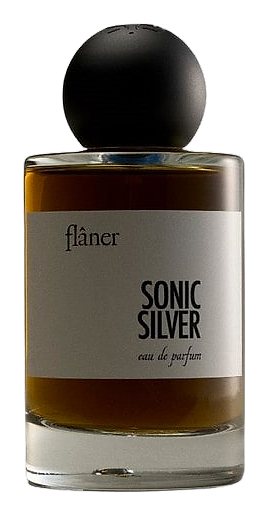
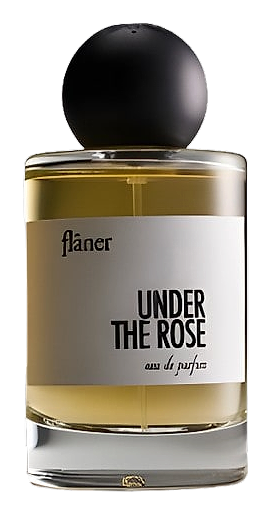
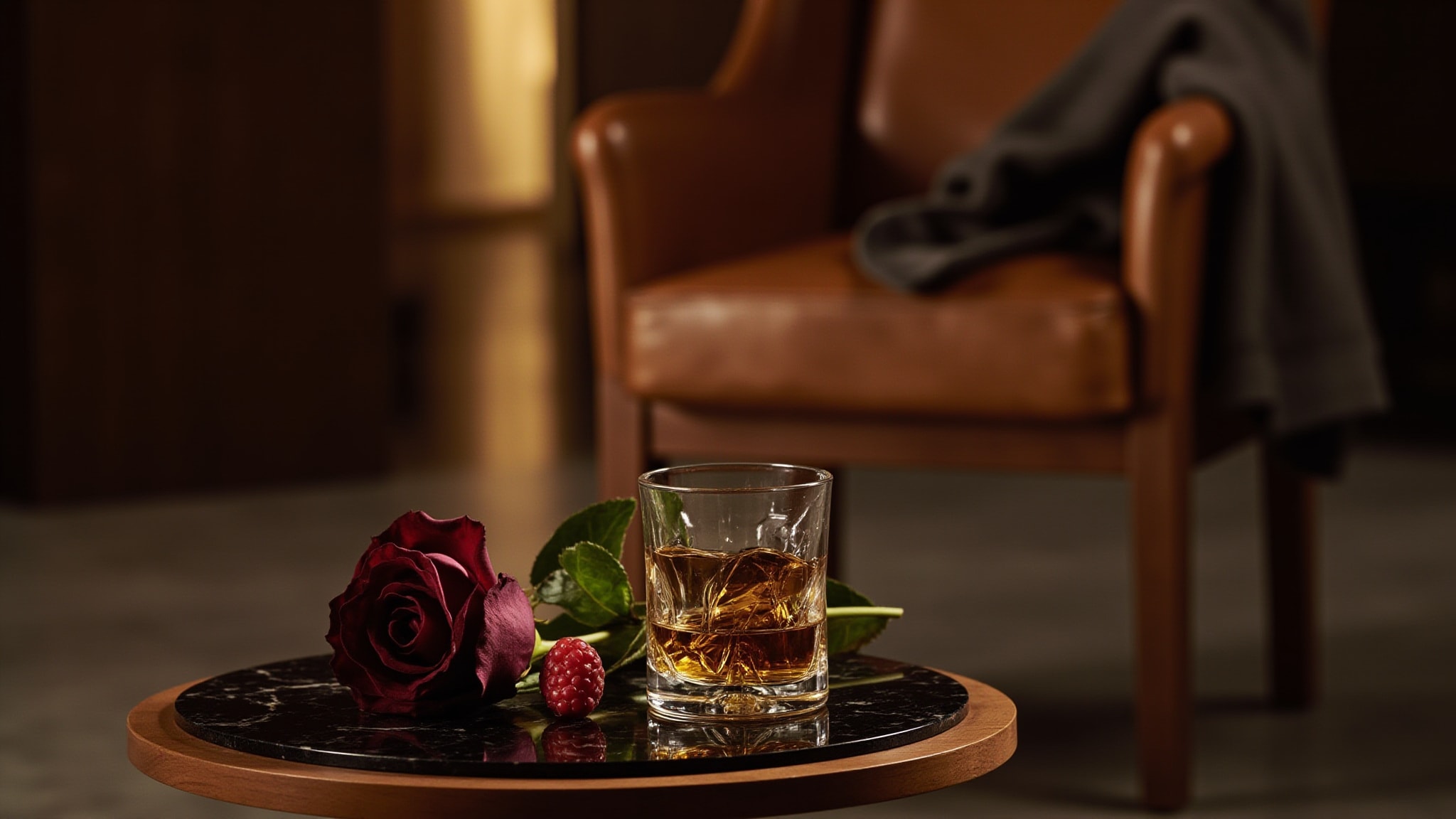
Under the Rose comes from flâner, the Melbourne house built on the French idea of wandering a city without purpose. The name borrows from the phrase sub rosa, meaning in secret, a symbol historically tied to discretion, to things said behind closed doors and meant to stay there. The brand leaned into that concept directly: private rooms in formal settings, discretion worn as decoration. Composed by perfumer Ivan Alemany, Under the Rose is positioned as a hypnotic, animalic-leaning chypre floral that connects sophistication to something more primal. Not innocence. Awareness of what gets discussed when the doors close. The chypre architecture gives it gravity: oakmoss and patchouli anchoring a heart where rose gets treated less like a garden flower and more like something with a pulse.
Alemany built the composition around a tension that most rose fragrances avoid. The heart pairs raspberry and buchu against patchouli, and that combination does something unusual: the raspberry keeps the rose from turning soap-like or overly powdery, while buchu pushes the fruit into sharper territory, giving it a green, almost medicinal edge that prevents the sweetness from ever settling into comfort. The base then refuses to resolve into anything conventionally pretty. Leather, white musk, and amber settle in a way that grounds the fruit and spice rather than sweetening them further.
The evolution
On skin, the first ten minutes are a negotiation between pepper and elemi resin. The elemi gives a lemony, almost incense-like lift that makes the pink pepper read sharper than it would alone, green leaves adding a cool, slightly crushed-herb quality underneath. Within twenty minutes the rose surfaces, but it arrives already stained by patchouli. There's no clean, dewy, morning-rose window here. Instead the bloom comes through darkened, sitting alongside raspberry in a way that reads as fruit rather than jam, the buchu lending it a tart, almost black-currant sharpness. By the second hour the composition has shifted weight almost entirely to the base. Leather takes the lead, warm and slightly animalic, the white musk softening the edges without cleaning anything up. The amber doesn't glow so much as smolder, catching the patchouli's earth and giving the whole thing a grounded, smoky finish.
Cultural impact
Within flâner's catalog, Under the Rose stands apart through its animalic, sub-rosa framing. The composition reads as overtly intimate rather than performative, the kind of scent that rewards closeness over projection. Wearers tend to notice it as something that shifts noticeably across its lifespan: brighter and more jammy in the opening, darker and more leathery as it develops, with a dry down that keeps pulling back toward skin. The chypre structure gives it a classical weight that feels deliberate, a conscious nod to older perfumery traditions rather than a trend-driven gesture.