
The Story
Why it exists.
The beginning
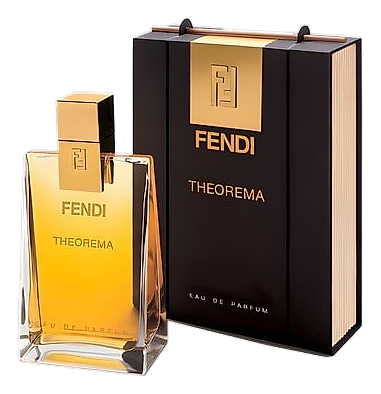
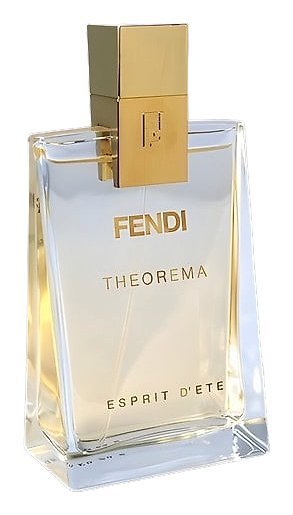
Theorema Esprit d'ETE arrived in 1999 as a summer companion to the original Theorema, a flanker that stripped back the original's structure and reframed it around brightness and warmth. The name itself signals intention: esprit d'ete means summer spirit, and Fendi built this fragrance for the months when Roman light hangs golden past nine in the evening, when resinous warmth makes more sense than weight. The flanker concept in the late nineties operated differently than it does now, less about extending a franchise and more about offering a second reading of the same idea. Theorema Esprit d'ETE takes the oriental-spicy framework of its predecessor and turns up the citrus, turns down the darkness, and lets vanilla and whipped cream occupy more space. It's summer logic applied to a serious composition.
What makes this structure interesting is the tension between fizz and resin. The citrus top, orange, tangerine, pomelo, arrives carbonated and bright, almost synthetic in its sparkle. That's unusual. Most oriental bases want to absorb brightness, but here the citrus holds its own for thirty minutes before the warm spices and vanilla begin their slow take-over. The whipped cream note is doing something specific: it's not adding sweetness so much as rounding aggression. Cinnamon and pink pepper can skew sharp, but the cream softens them into something edible rather than confrontational.
The evolution
The opening hits first, bright, fizzy citrus that doesn't so much bloom as pop. Tangerine and orange arrive together, with pomelo adding a bitter edge that keeps the sweetness honest. This phase lasts about fifteen minutes before the jasmine peeks through, just barely, threading white floral into the citrus before the spices arrive. Cinnamon announces itself around the thirty-minute mark. Not aggressively, it builds rather than arrives. Pink pepper sits underneath, adding a warm prickle that pairs with the cinnamon's spice. The whipped cream is the quiet anchor here: it keeps the spices from sharpening into something medicinal. The drydown is where this fragrance earns its reputation. Vanilla and amber arrive late, past the two-hour mark, and they don't compete with the citrus or spices. They coexist. The sandalwood and musk create a skin-close warmth, while oakmoss adds a mossy, almost green depth that surprises against everything sweet that came before. Guaiac wood gives it a faint smoky edge. On fabric, this fragrance lasts six to eight hours.
Cultural impact
Theorema Esprit d'ETE exists in a specific late-nineties moment when fashion houses were treating flankers as second compositions rather than marketing exercises. The original Theorema was a serious oriental; the summer version stripped its weight and let citrus and vanilla share the stage. Discontinued now, it occupies a cult position among collectors who remember it as warmer and stranger than its name suggests, a fizz-and-resin combination that doesn't resolve neatly into a single mood.