The Story
Why it exists.
The beginning
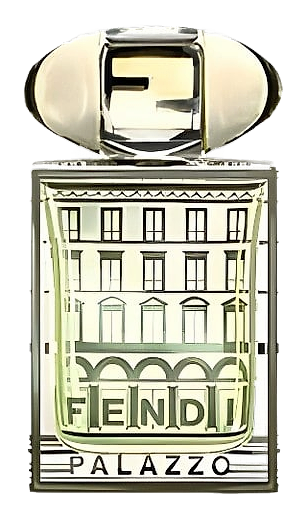
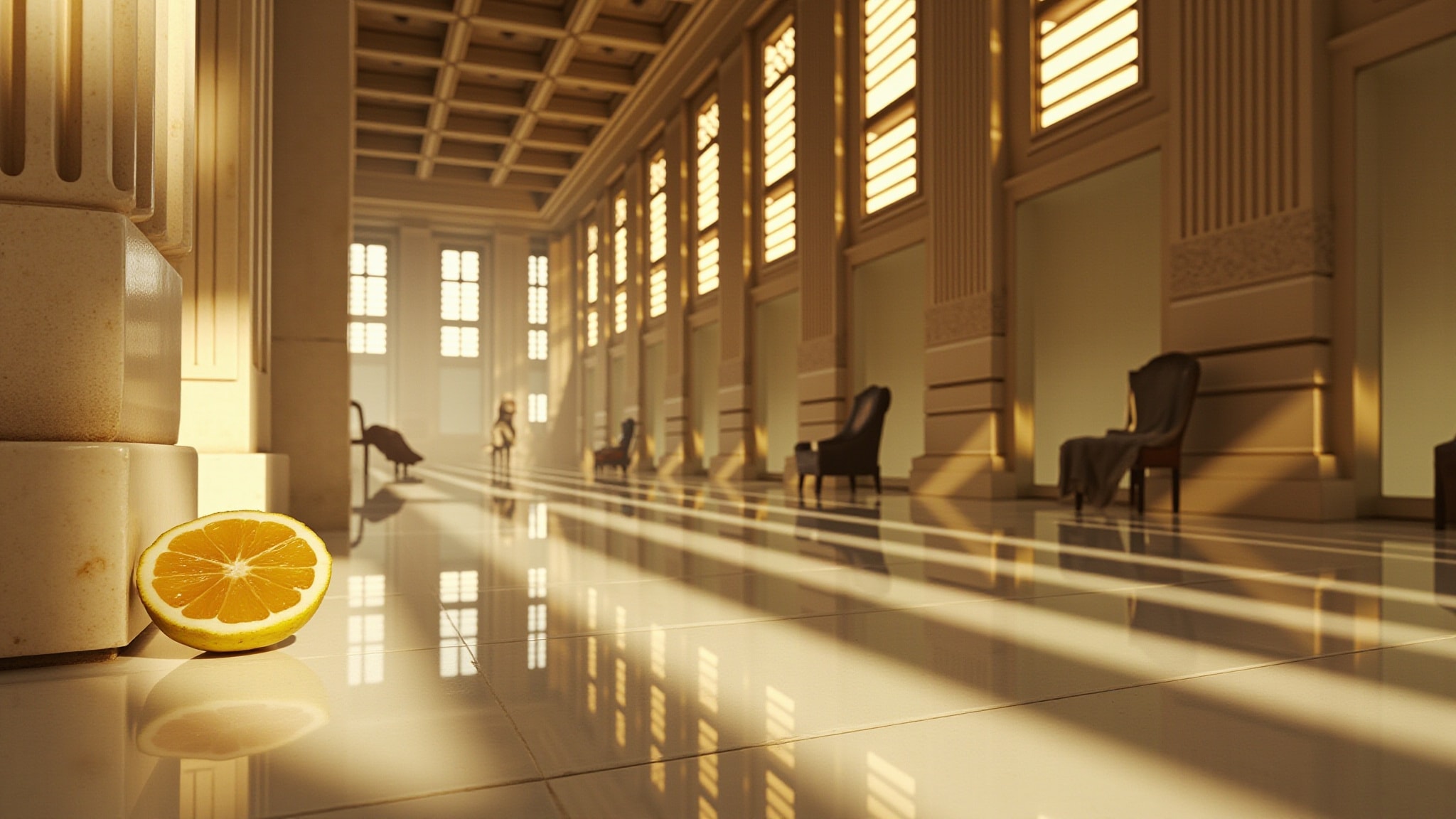
The name says it all. Palazzo, a Roman palazzo, all high ceilings and filtered light through shuttered windows. Fendi released this in 2008 as part of its earlier fragrance archive, before the 2024 collection reshaped the Maison's olfactory identity. It was composed during an era when the house was building quietly, without announcement, craft-obsessed, never showy, letting the scent do the talking instead of the campaign.
What makes this composition interesting is its structural honesty. Most citrus-forward fragrances burn bright and disappear. Palazzo layers its citrus against a powdery floral heart that keeps the top from feeling too sharp, then anchors everything in patchouli and sandalwood that add weight without heaviness. The neroli brings a soapy-clean tension that elevates the florals from generic to specific. It's the kind of pyramid that rewards attention, not because it shouts, but because it doesn't.
The evolution
The opening hits immediately with Amalfi lemon and bergamot, sharp, clean, almost astringent in the best way. Within fifteen minutes the mandarin orange rounds the edges, and you're in different territory: softer, warmer, the neroli emerging like the smell of orange blossoms in a walled garden. The heart phase lasts the longest, that powdery floral warmth carries through for hours, with the patchouli lending an earthy undertone that keeps it grounded. By hour four, the sandalwood arrives. Creamy, quiet, barely there. It stays close to the skin through hour six or seven on most people, though dry skin may pull it shorter.
Cultural impact
Palazzo Fendi arrived in 2008, a quiet release in an era when the house was building its fragrance archive without the fanfare that would come with the 2024 collection. It found its audience through staying power and wearability, the kind of scent people repurchased without announcement, wearing it as a signature before it became discontinued. Those who still own it tend to guard it.