The Story
Why it exists.
The beginning
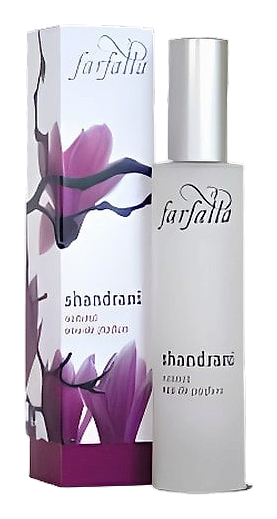
Shandrani begins with its name, but the source material does not document a specific release year or credited perfumer. Its composition offers the clearest point of entry: jasmine sambac, rose attar, tuberose, clove, cardamom, spikenard, sandalwood, vanilla, and osmanthus. Together, they create a floral-spicy composition with several distinct materials in conversation. The floral notes include jasmine sambac, tuberose, rose attar, and osmanthus, while clove and cardamom contribute warmth and spice. Spikenard, sandalwood, and vanilla add further layers to the composition.
The composition is built around a varied floral and aromatic palette. Jasmine sambac and tuberose sit alongside rose attar and osmanthus, while clove and cardamom introduce a contrasting spice element. Spikenard is another listed note, adding another distinct material to the blend. Sandalwood and vanilla complete the composition with a warmer base of listed notes. Together, the ingredients create a layered structure that moves between floral, spicy, woody, and sweet elements without relying on a documented opening, heart, or drydown sequence.
The evolution
Shandrani's listed notes form a composition rather than a documented progression. Jasmine sambac, tuberose, rose attar, and osmanthus establish the floral side of the fragrance. Clove and cardamom add a warm aromatic dimension, while spikenard contributes another layer of character. Sandalwood and vanilla round out the composition with deeper base notes. The sources do not specify how these materials emerge in sequence, how long each stage lasts, or how the scent changes over time, so the fragrance is best understood through its complete note list and the relationships among its floral, spicy, woody, and sweet elements.
Cultural impact
Shandrani is listed for women and men, giving the fragrance a broad audience within its available classification. Its composition combines jasmine sambac, tuberose, rose attar, and osmanthus with clove, cardamom, spikenard, sandalwood, and vanilla. This floral-spicy combination reflects the fragrance's central character while allowing room for interpretation. The sources do not document a wider cultural movement, audience response, or specific influence associated with Shandrani, so its significance is best approached through the fragrance itself and the materials in its composition.