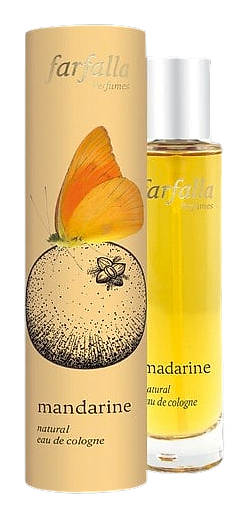
Heritage
A house, in its own words
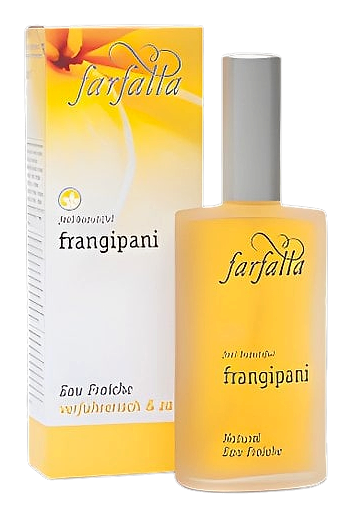
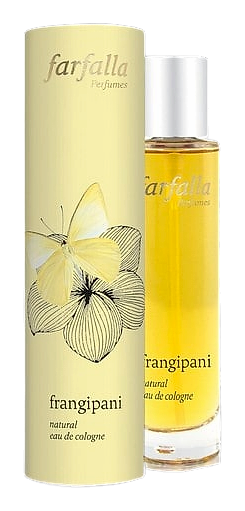
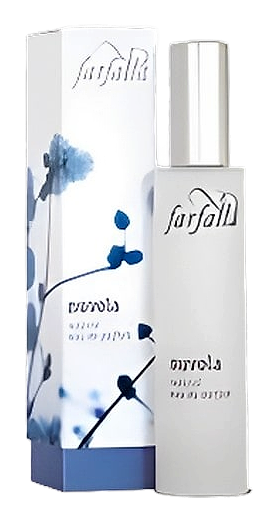
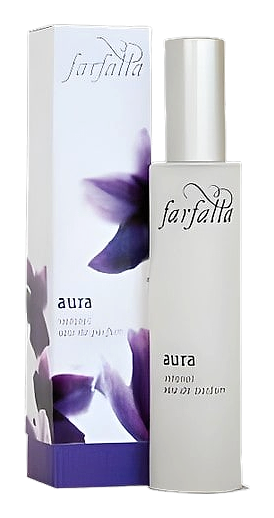
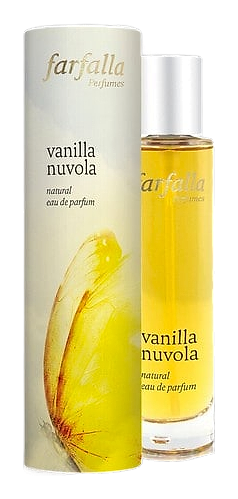
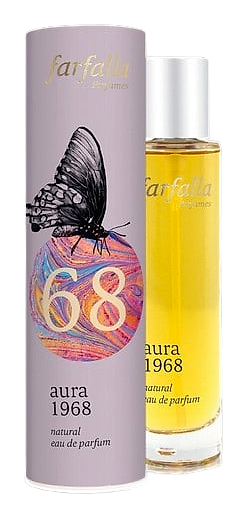
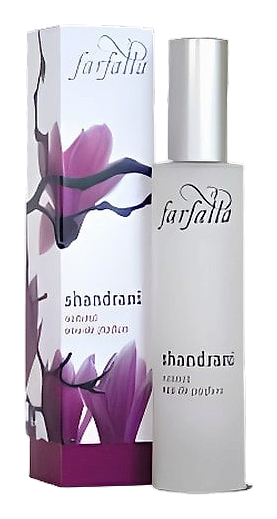
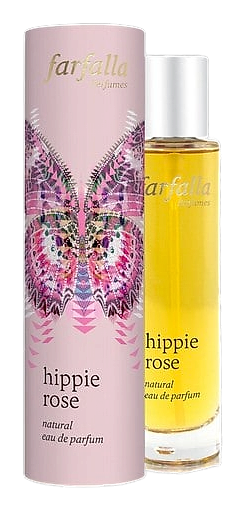
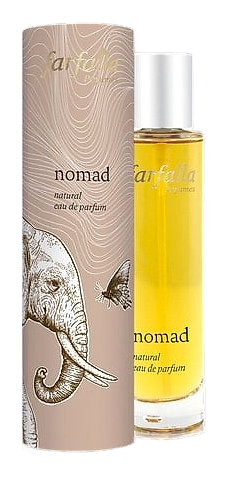
Farfalla’s origin story begins in the 1980s, when a group of hippies traveled in search of essential oils and founded what became a Swiss family business. The exact date and individual founders are not consistently documented in the available third-party sources, so the account is best treated as a reported history rather than a settled chronology. A later profile explains that the perfume company began in 2012, extending the philosophy of Farfalla Essentials, which had already developed products for aromatherapy and spa settings. A separate fragrance-history profile records another important milestone: in 1985, Farfalla opened what it describes as Switzerland’s first fragrance store in Zurich. That retail opening helped place botanical fragrance within reach of a wider public and gave the company a visible connection to the city. Across its history, Farfalla has remained associated with aromatic plants, essential oils and the landscapes that inspire them. The company’s later perfume catalogue turns this botanical foundation into a broader exploration of scent, with releases credited to 2015 and a concentration of new fragrances around 2020. The result is a lineage that begins with the culture of essential-oil discovery and grows into a fragrance house built around nature, travel and memory. Farfalla’s creative direction can be read through its choice of names and imagery. The house does not present fragrance as a single, fixed mood, but as a series of scenes and sensory impressions. Shandrani suggests a distinct place, while Nomad, Hippie Rose and Frangipani combine human movement, flowers and sunlit landscapes. Aura and Anima turn toward more abstract ideas of spirit and sensation. Nuvola brings an atmospheric reference to cloud, and Vanilla Nuvola reinterprets that softness through a gourmand vanilla theme. This naming approach gives the collection an imaginative structure without requiring every perfume to imitate a literal botanical ingredient. Farfalla’s reported connection to essential oils and aromatherapy also places it within a wider wellness culture. Its fragrances appear to be designed for the emotional character of a moment rather than for status or formal ceremony. That does not mean every scent is light or clinical. The catalogue moves from airy freshness to deeper woods, spice and sweetness, showing that its idea of nature can be both open-air and enveloping. The house’s identity is strongest when treated as a frame for these contrasts: the outside world, the garden, the journey, the memory and the atmosphere.