The Story
Why it exists.
The beginning
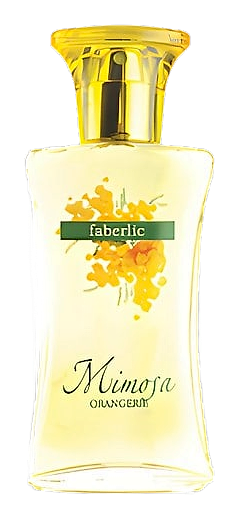
Thomas Fontaine built Orangerie Mimosa around mimosa, the yellow puff of early spring that barely waits to be noticed. Released in 2003, it was one of the early expressions in Faberlic's Orangerie collection, taking its name from the orange gardens that inspired the full line. The perfumer wanted a fragrance that moved between fresh and floral without ever fully choosing a side.
What makes Orangerie Mimosa interesting is the structure itself, watery cucumber and cool green violet leaf against the warm, dusty sweetness of mimosa. These are not natural companions. Violet leaf pulls toward dewy greens; mimosa leans powdery and almost dry. Water jasmine bridges the gap with its translucent floral character, while red lily adds body without sweetness. Tonka bean in the base is the quiet concession, it rounds the edges so the whole thing doesn't feel like a contradiction. It mostly succeeds.
The evolution
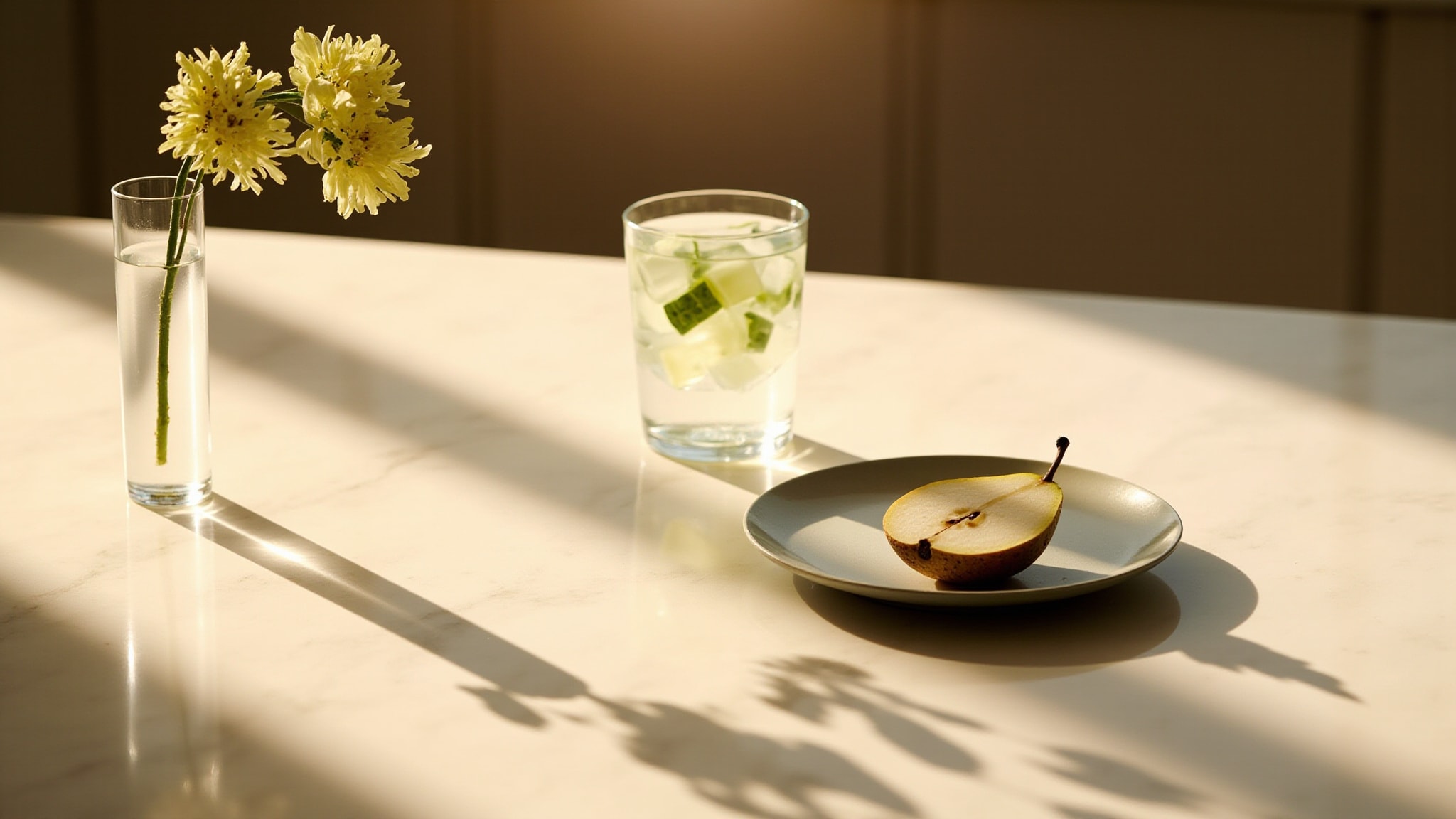
Cucumber opens, cool, clean, slightly aquatic. Italian lemon follows, bright and brief. The pear adds softness before the heart arrives: mimosa blooms into the composition with a powdery warmth that feels like a different fragrance entirely. Violet leaf lingers at the edges, keeping things green. Then the drydown: cedar and iris settle in. The tonka bean appears last, soft and sweet, barely there. On fabric, it holds for hours. On skin, the whole arc lasts an afternoon, the mimosa warmth fading quietly into cedar by evening.
Cultural impact
Orangerie Mimosa sits in the accessible floral tradition, the kind of scent that introduces someone to fragrance without demanding anything from them. It doesn't chase trends. It doesn't perform. In markets where Faberlic reaches consumers who haven't yet entered niche perfumery, this is the scent that earns a second bottle.