
The Story
Why it exists.
The beginning
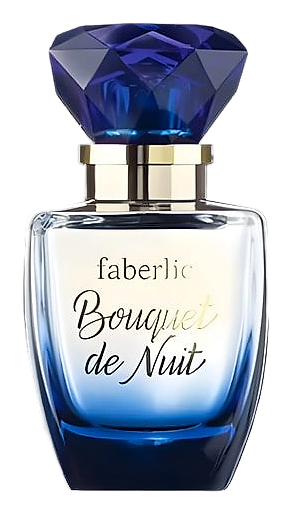
Bouquet de Nuit translates to "night bouquet", and Marie-Patricia Hurel took that literally. The fragrance draws from flowers that release their scent after dark, when the air cools and the pollinators wake. Tuberose anchors the composition, flanked by jasmine and orange blossom for a white floral trio that doesn't tiptoe. The name suggests something gathered at dusk, worn into the evening hours, this is not a morning scent, not a careful one. It's built for when you want to be noticed without trying.
What makes this composition interesting is the vetiver doing double duty. It opens green and earthy alongside the bergamot, acting as a counterweight to the florals' creaminess. But as the hours pass, it becomes the structure, the thing that holds the vanilla and tuberose together instead of letting them dissolve into sweetness. Animalic is listed among the main accords, and with good reason: tuberose contains natural skatole, a compound that gives the flower its controversial, slightly dirty edge. This fragrance doesn't hide it. Hurel leaned into the tuberose's reputation rather than softening it.
The evolution
The bergamot opens bright and citrussy, brief, clean, then gone. Within minutes the tuberose takes over, creamy and full-bodied, with jasmine adding rounds and orange blossom pulling slightly bitter to keep things interesting. The heart lasts a good two to three hours, the vanilla creeping in gradually. By hour four the florals have softened and the vanilla dominates, warm and slightly powdery. The vetiver announces itself properly only in the final drydown, earthy, green, that whisper of animalic that makes the whole thing smell like skin warmed by fabric rather than perfume applied to it. Lasts well into the evening on most skin types.
Cultural impact
Bouquet de Nuit arrived during a period when niche and indie fragrance houses were gaining significant market share, particularly in Eastern European markets where Faberlic operates as a direct-sales beauty brand. The 2016 launch reflected a growing consumer appetite for distinctive scents that moved beyond the safe, mass-appeal florals dominating department store shelves. Its tuberose-forward composition echoed a broader trend in perfumery toward bold, unapologetic floral statements, while the use of vetiver in the base notes signaled a distinctly Western European sensibility. The bergamot opening aligned with contemporary preferences for bright, citrus-led openings that promised freshness before the heavier heart notes emerged.