
The Story
Why it exists.
The beginning
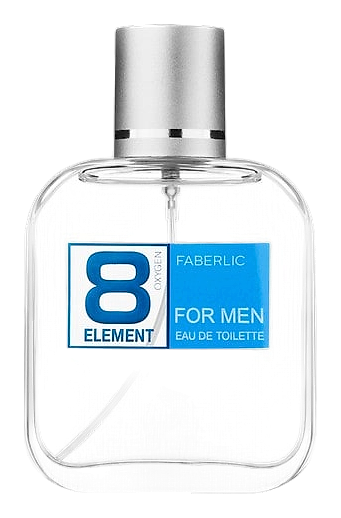
Janek Kozeluh designed 8 Element in 2004 for Faberlic, a Russian brand that had spent seven years building accessible beauty before venturing into fragrance. The name is literal, eight notes, eight elements, working in sequence. The brief wasn't complexity. It was clarity: a scent that opens bright, settles into something grounded, and doesn't let go.
What makes this interesting isn't any single note, it's the structure. Most aromatic aquatic fragrances lead with marine and let the drydown drift generic. 8 Element does the opposite. The top is aggressively fruity (blackcurrant, melon, pineapple) before the marine and lavender take over. The fruit doesn't apologize for being first. It just opens the door for everything else.
The evolution
The first spray is all fruit and salt, blackcurrant pops sharp, the melon rounds it, and underneath there's something that smells like the air before a summer storm. Thirty minutes in, the lavender arrives quiet and the jasmine adds a soft warmth to what was pure brightness. The oakmoss doesn't announce itself. It waits. By hour two, the leather and vetiver are doing the real work, dry, slightly smoky, sitting close to the skin. The teakwood keeps everything grounded. By hour four, it's skin-warm and intimate. By hour six, a faint mossy sweetness lingers where you sprayed. The next morning? A trace of oakmoss on fabric. Not loud. Not trying. Just there.
Cultural impact
8 Element arrived at a moment when mass-market masculine fragrances were still dominated by powerhouses, heavy woods, aggressive spices, projection that announced itself across the room. 8 Element went the other direction. It wasn't trying to fill a ballroom. It was trying to smell like someone who showered, put on something clean, and got on with the day. That positioning, accessible, present, uninsistent, resonated across Russian-speaking markets and beyond, becoming one of Faberlic's most discussed fragrances years after launch.